
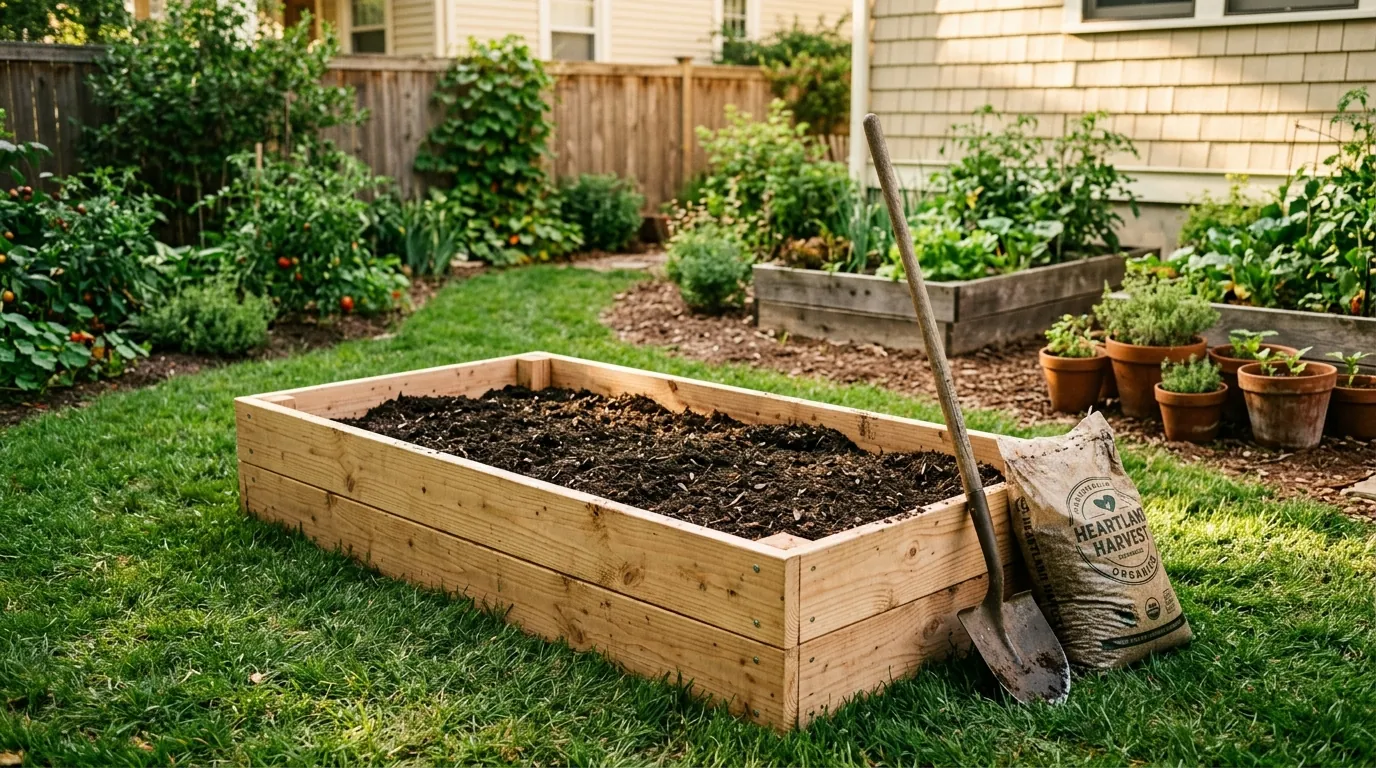
How to Build a Raised Garden Bed
Updated June 2026
Raised beds are the fastest way to a productive garden in sandy or poor soil. Here is how to size, build and fill one.
A raised bed lets you bring in good soil instead of fighting native sand or hardpan, warms and drains well, and saves your back. It is the simplest path to a productive vegetable garden in much of the warm US.
In pictures
Size it right
- Width: no more than 4 feet, so you can reach the middle from either side without stepping in.
- Length: whatever fits; 8 feet is easy to handle.
- Height: 10-12 inches is plenty for most vegetables; go higher for root crops or easier access.
Materials
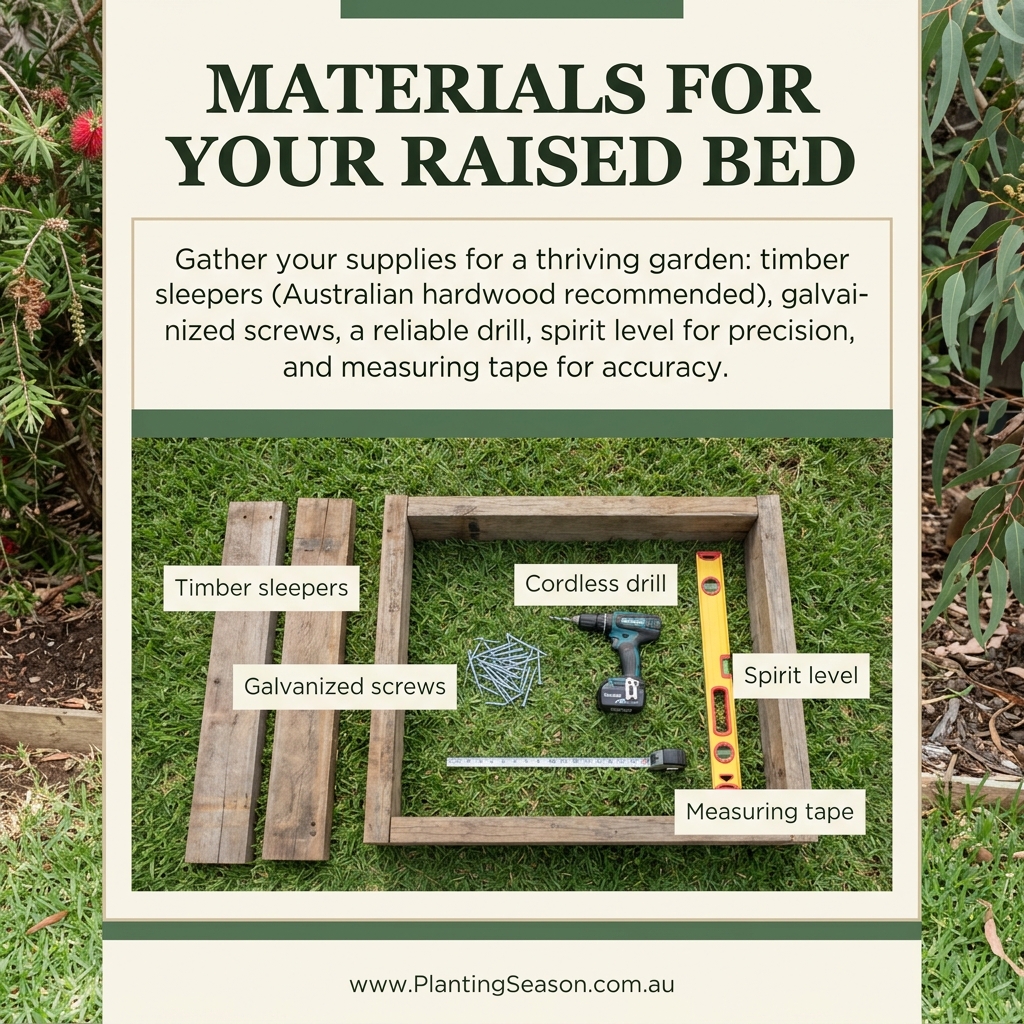
Untreated rot-resistant lumber (cedar, cypress), composite boards, concrete block, or galvanized steel beds all work. Avoid old treated timber for food crops. In the deep South, cypress and composite last longest against rot and termites.
The soil mix
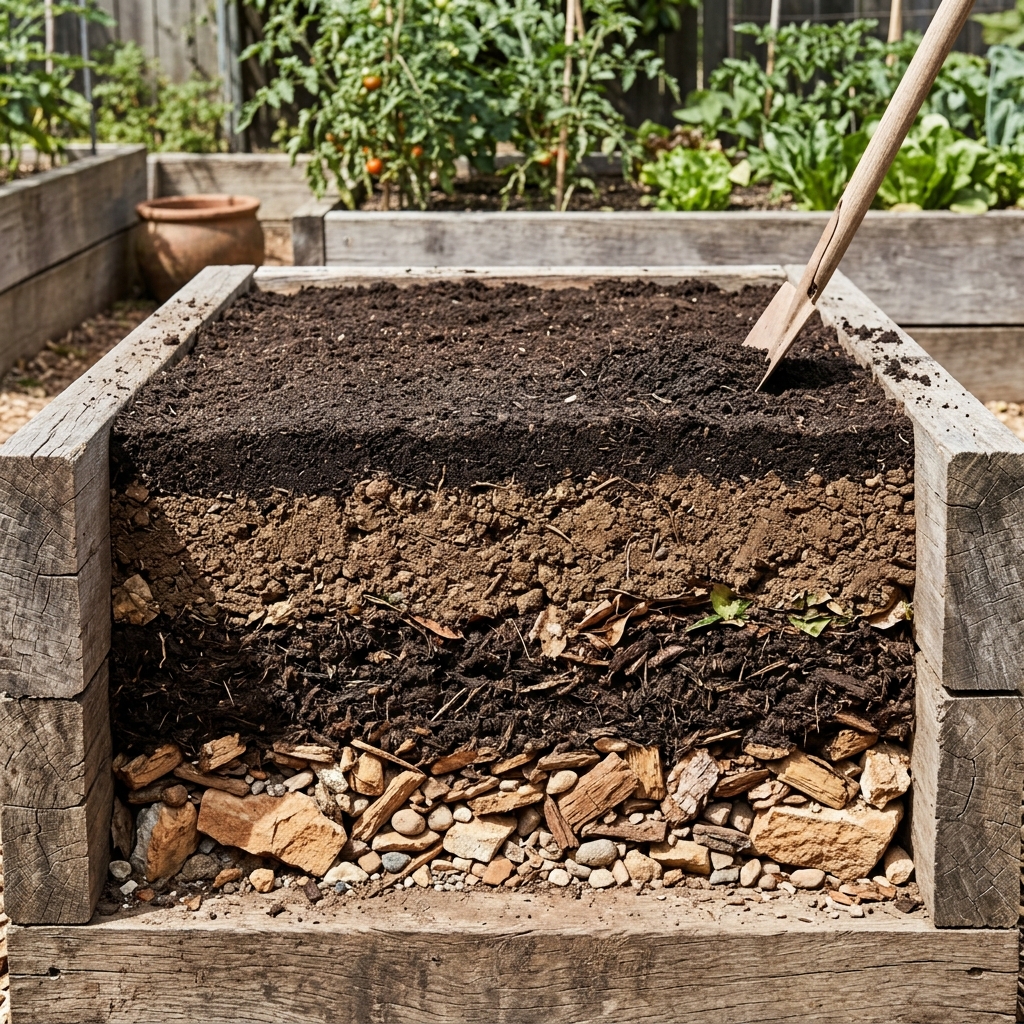
A good starting mix is roughly one-third quality topsoil, one-third compost, and one-third aeration (coarse sand, perlite or pine bark fines). The compost is what makes sandy-soil regions productive, so do not skimp, and top it up every season as it settles.
Setting up
- Pick a spot with at least 6 hours of sun.
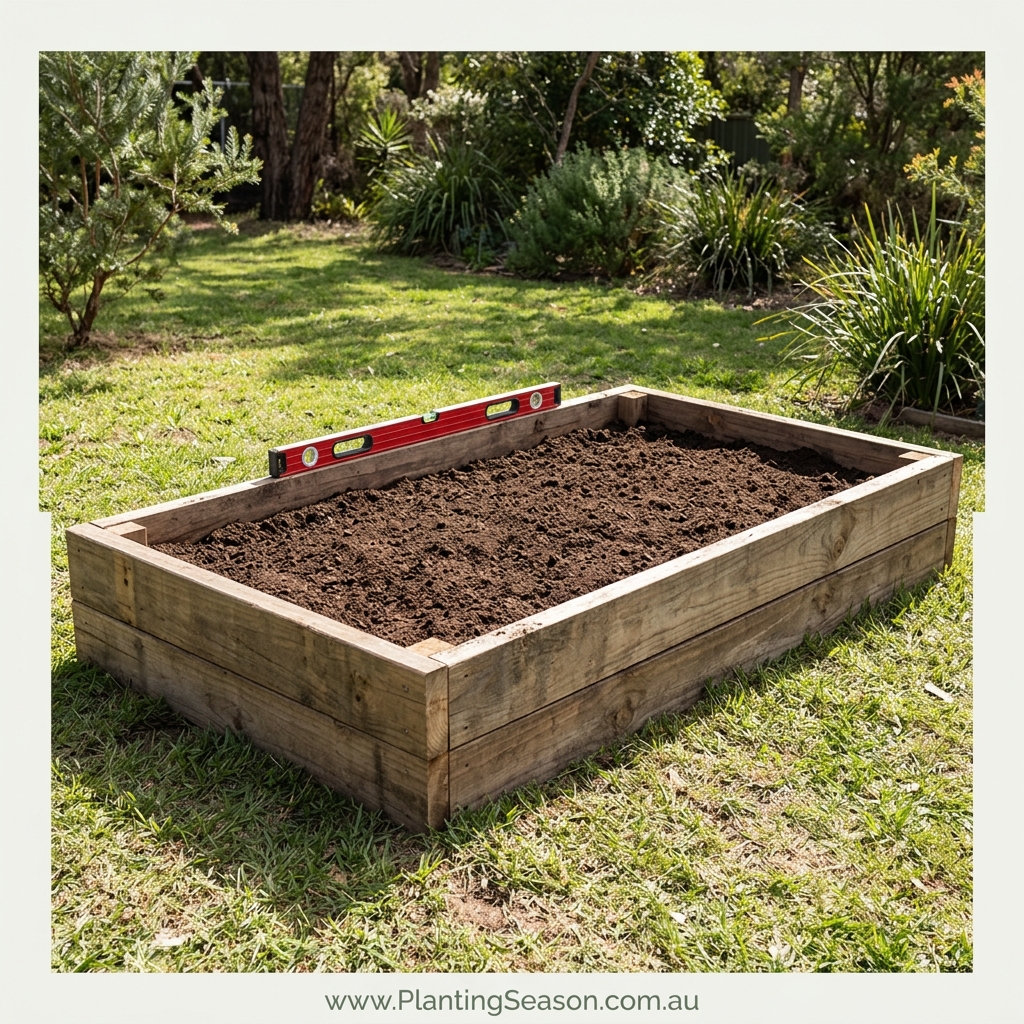
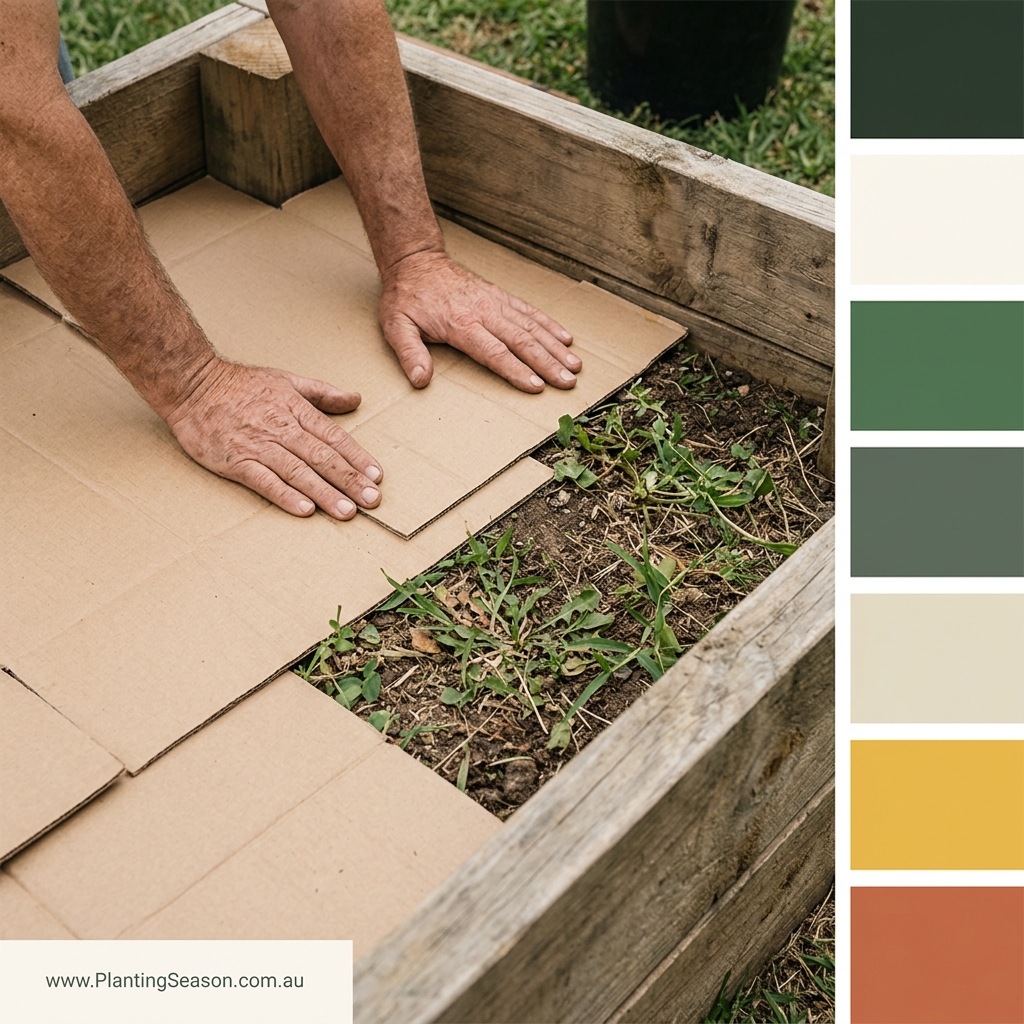
- Level the ground and lay cardboard to block weeds.
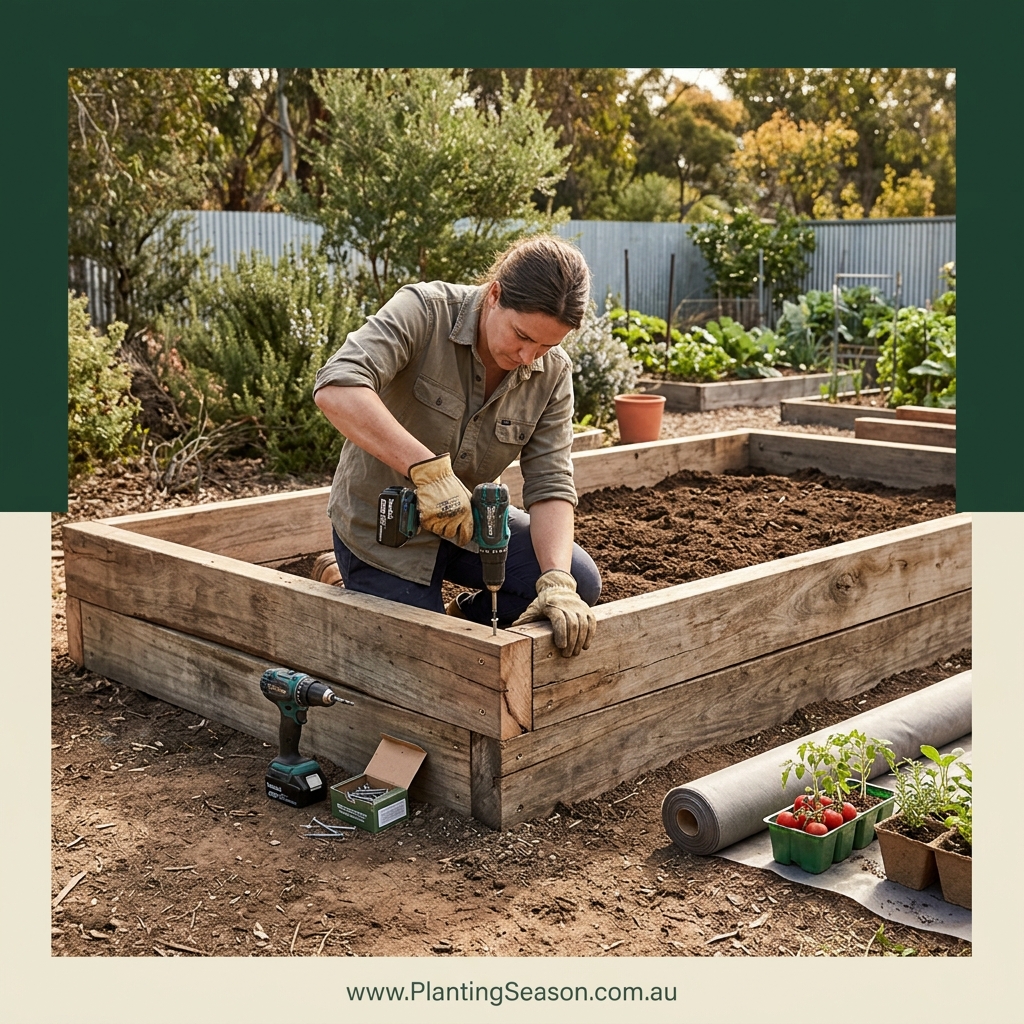
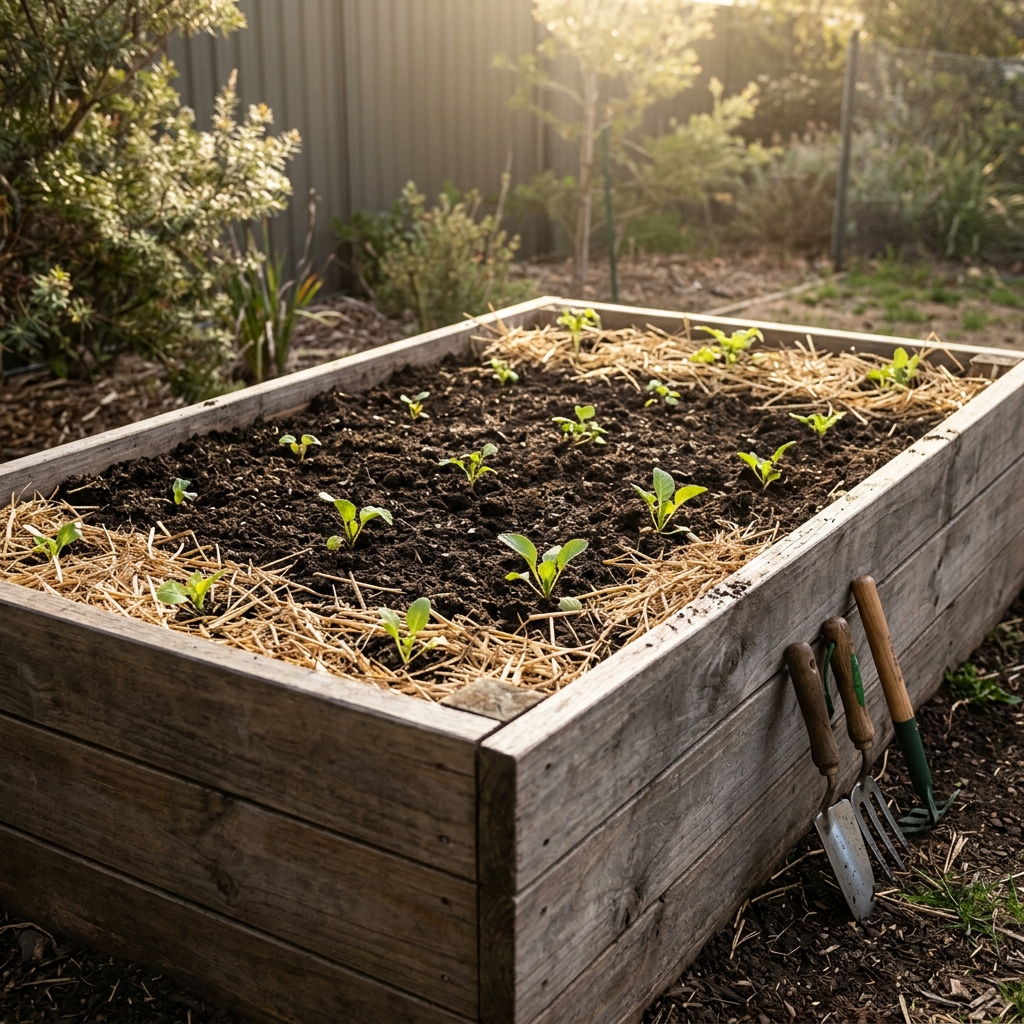
- Build or place the frame, fill with mix, water it in, and let it settle before planting.
Source: UF/IFAS Gardening Solutions, Raised Bed Gardening.
See what to plant this month
Pick your region for a month-by-month calendar tuned to your climate.
Find your region →