
How to Grow Persimmon
Updated June 2026
The astringent versus non-astringent split, a zone selector, and variety picks including American persimmon
What it looks like as it grows
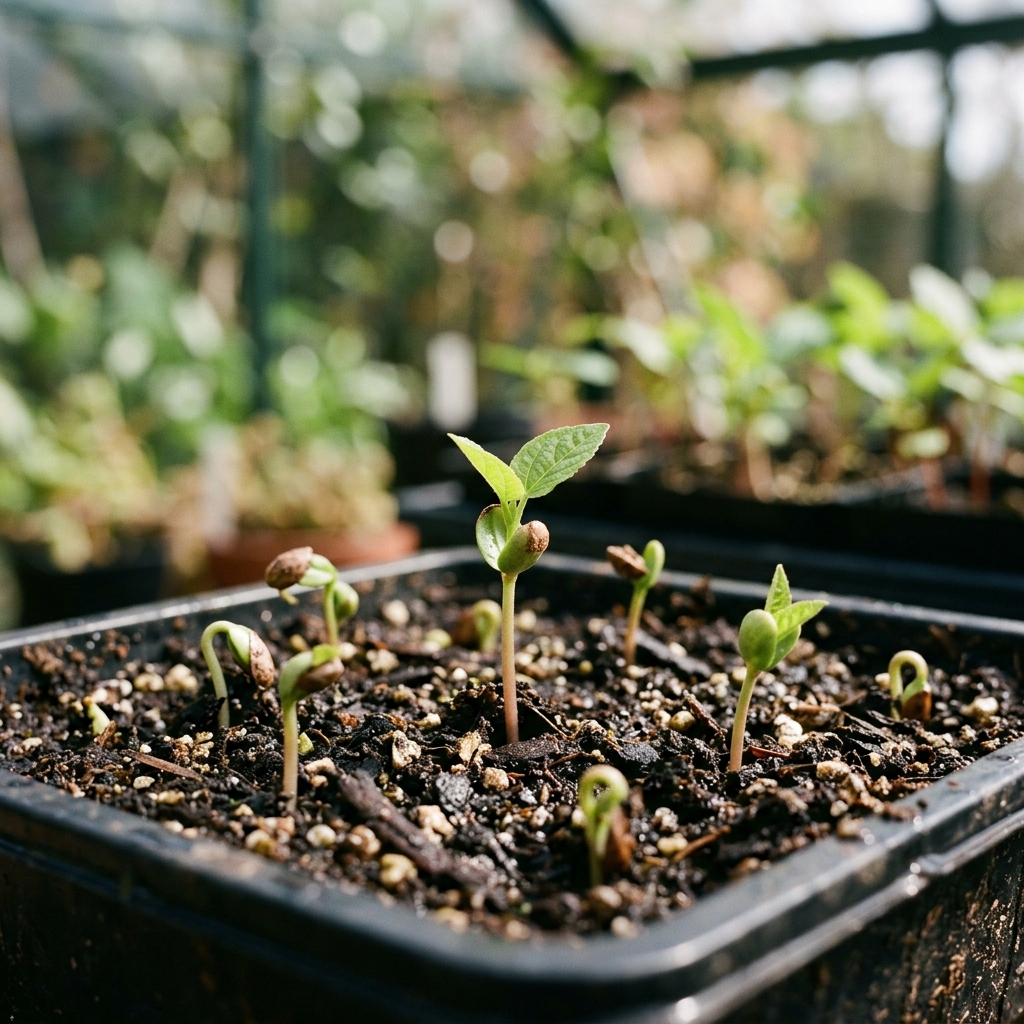
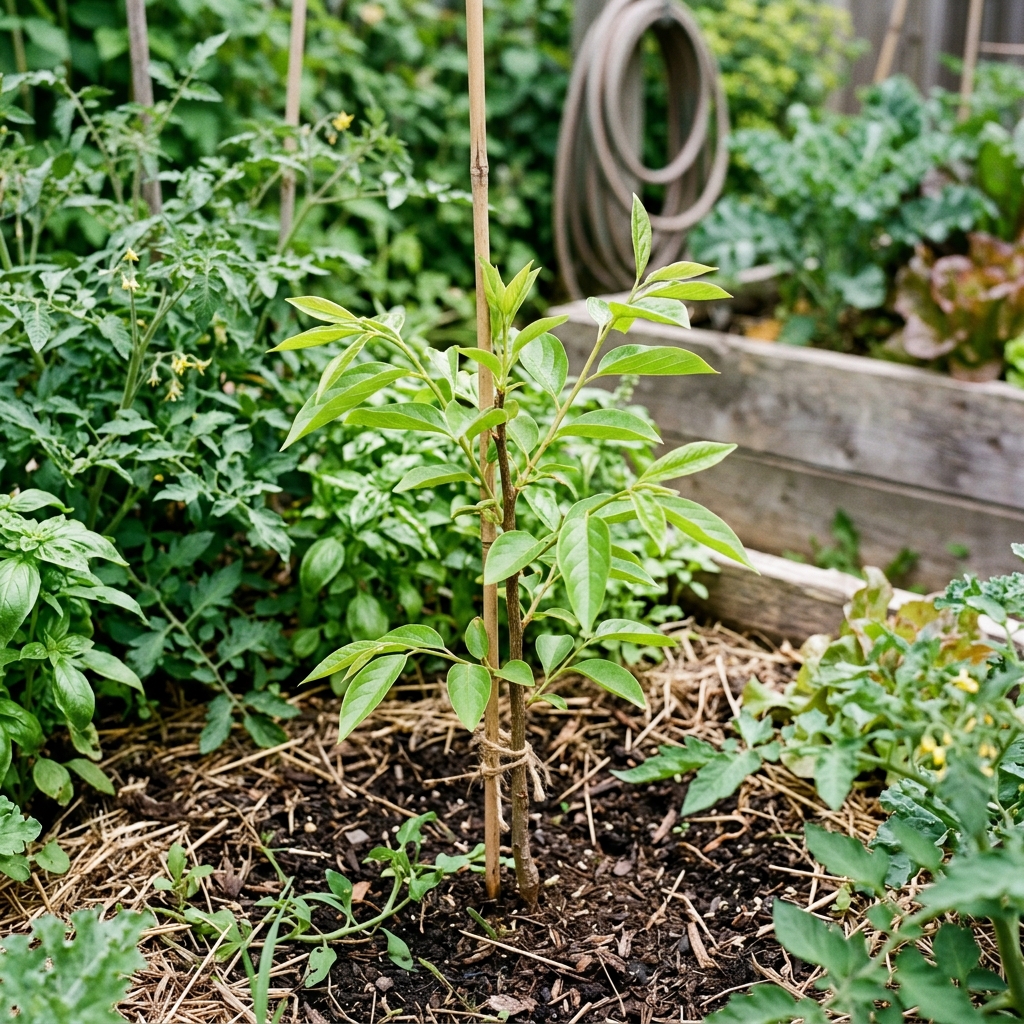
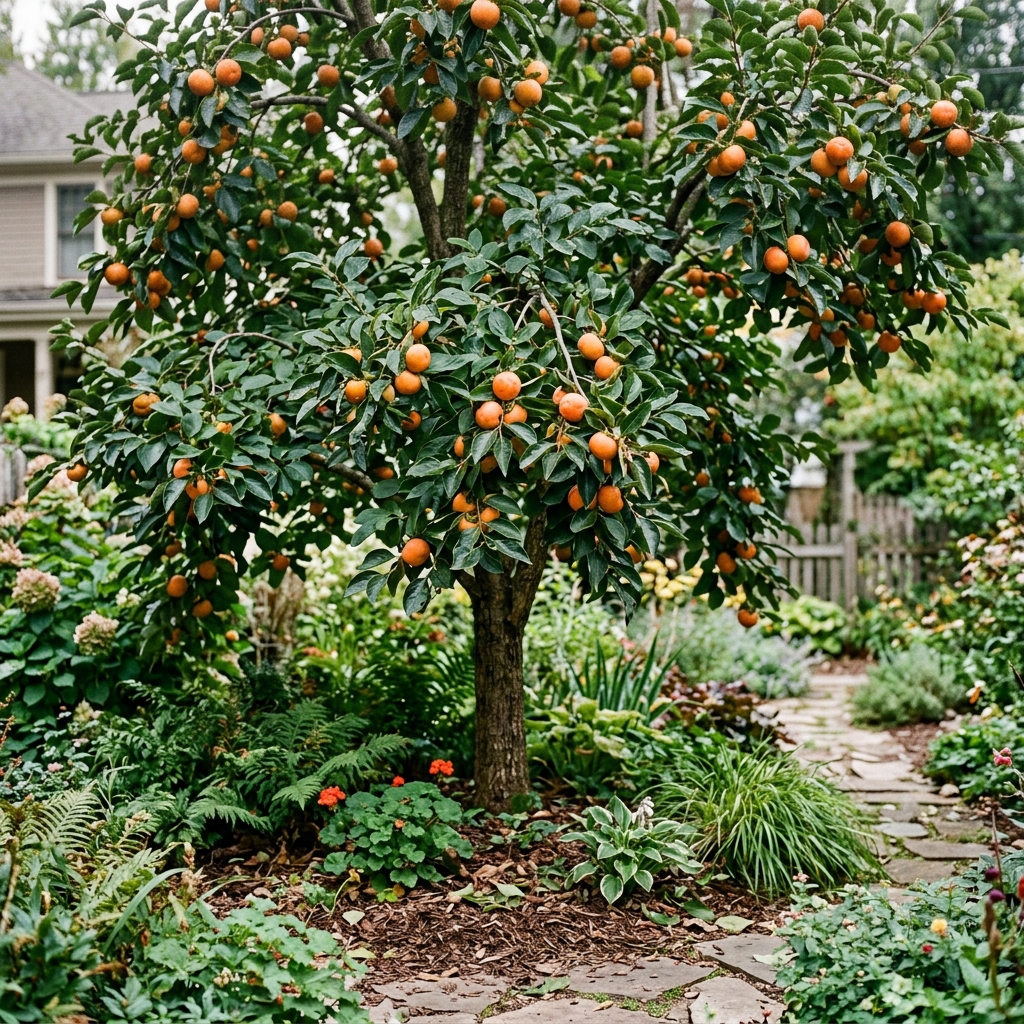
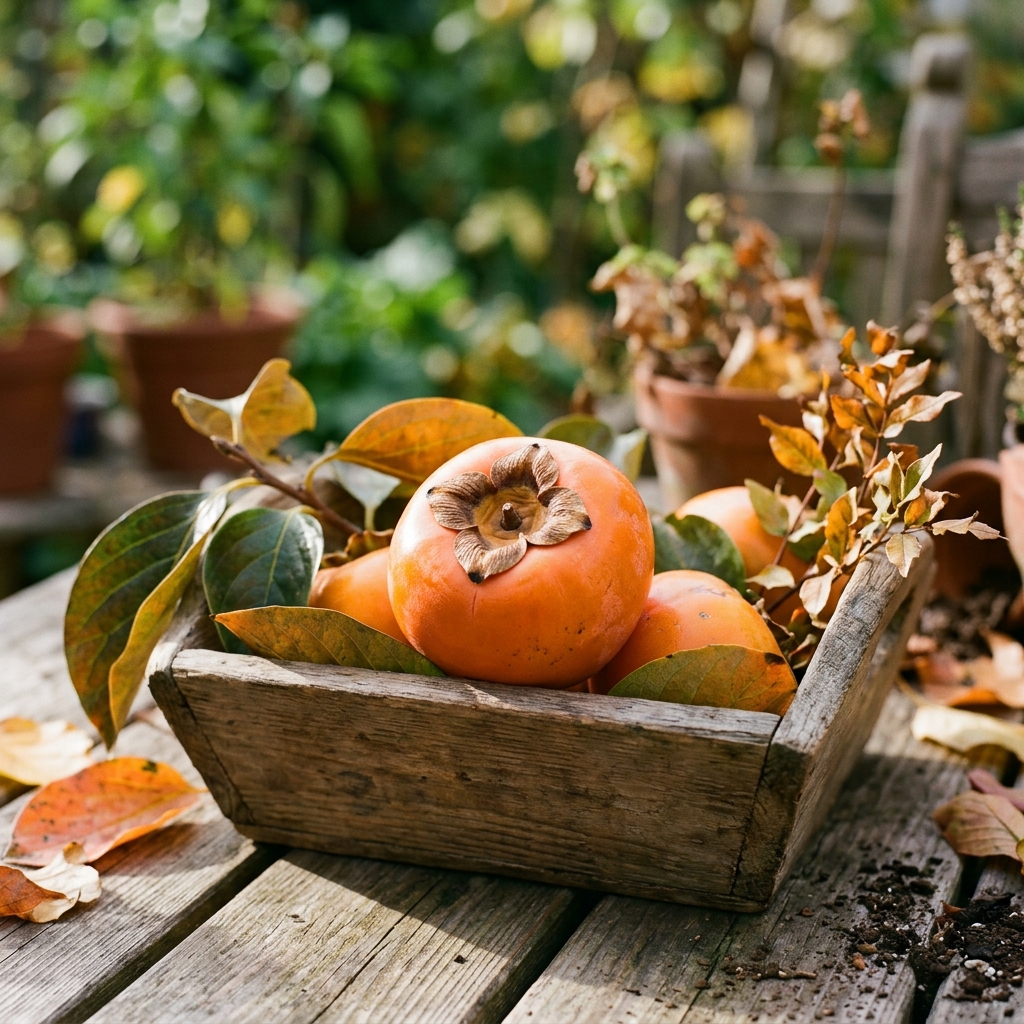
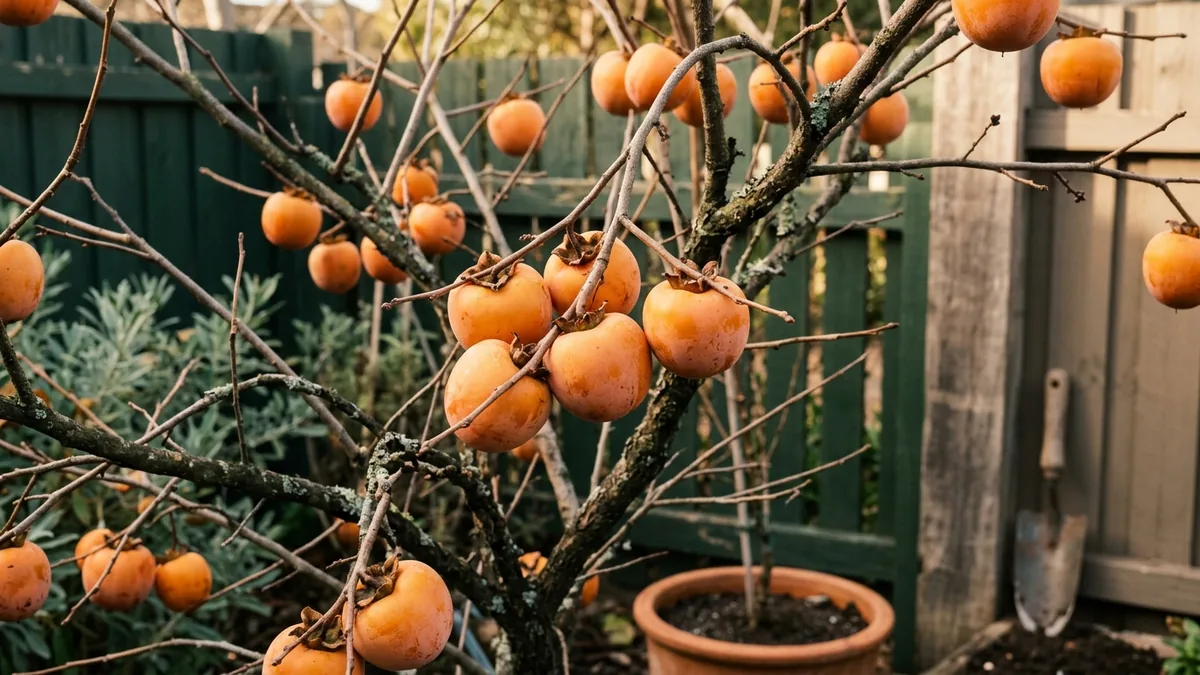
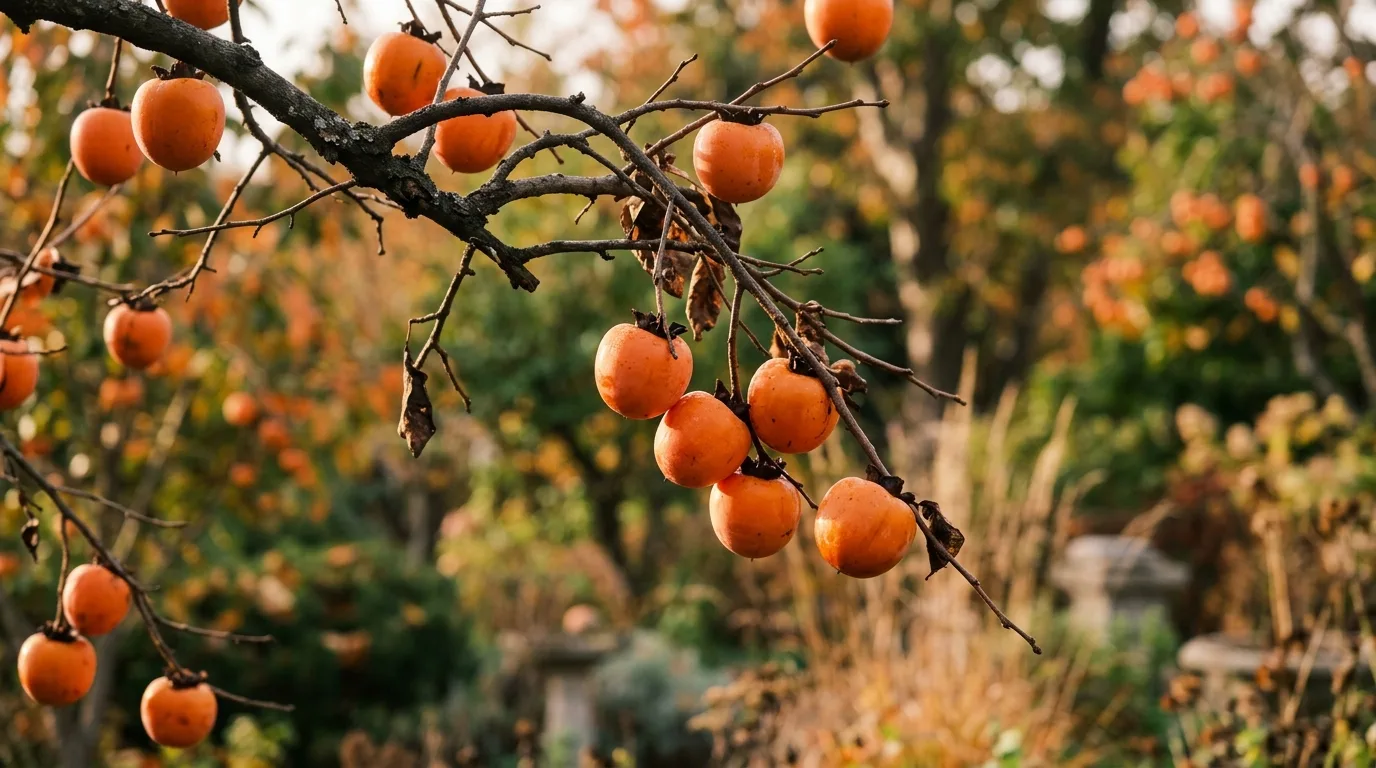
A persimmon earns its place twice over. In fall the leaves turn fiery orange and red, and once they drop the bare branches hang with glowing orange fruit like lanterns, which makes it one of the most ornamental fruit trees you can plant. Then there is the fruit itself, sweet, honeyed and unlike anything else in the home orchard. The Asian persimmon (Diospyros kaki) is deciduous, long lived and, once established, close to carefree, while the native American persimmon (Diospyros virginiana) carries the crop into far colder country.
The one thing that trips people up is that persimmons come in two completely different types, and confusing them is why so many people decide they hate persimmons. Astringent types must be eaten fully soft and jelly-like, because a firm one is mouth-puckering with tannin. Non-astringent types can be eaten firm and crisp like an apple. Choose the right type for your zone and know how to eat it, and persimmon becomes one of the easiest, most generous trees in the garden. The selector below makes that choice for you.
Persimmon zone and type selector
Astringent versus non-astringent: the one thing to get right
Every persimmon falls into one of two camps, and they are eaten in completely different ways.
- Astringent (Hachiya, Saijo, plus all American persimmons): usually tall and acorn or heart shaped. They are loaded with tannin until they are completely ripe, so a firm fruit is unpleasant and mouth-drying. You must wait until the flesh is soft, translucent and almost jelly-like, then scoop it out with a spoon. At that point it is intensely sweet.
- Non-astringent, also called sweet (Fuyu, Jiro, Izu): usually squat and tomato shaped. They lose their tannin while still firm, so you can eat them crisp like an apple straight off the tree, or leave them to soften. These are the beginner-friendly persimmons.
A quick way to tell which you have at the store or off a friend's tree: squat and flat-bottomed usually means non-astringent and ready to eat firm, while tall and pointed usually means astringent and needs to be soft. If you are ever unsure, simply wait until the fruit is jelly-soft, which is safe for both types.
Climate and position
Persimmons want full sun, the more the better, both to ripen fruit and to develop strong fall color. Asian persimmon is deciduous and needs a modest amount of winter chill to crop well, so it shines in roughly zones 7 to 10. A dormant, leafless tree is frost hardy to about minus 10 degrees Fahrenheit, so cold is rarely the problem in those zones. The real risk is a hard early frost striking the fruit while it is still hanging on bare fall branches. For colder country, the native American persimmon is extremely hardy and crops well below zero.
Give the tree shelter from strong wind, which can scorch foliage and knock fruit, and a free-draining soil. Asian persimmons grow happily in large containers, which is a smart option in colder zones because you can overwinter the pot in a sheltered spot or unheated garage.
Planting
Plant bare-root trees in winter or very early spring while they are dormant, or set out container trees in fall or late winter. Dig a hole the same depth as the rootball and twice as wide, tease out any circling roots, and keep the graft union well above soil level so it is never buried. Water in well and mulch, keeping the mulch off the trunk.
- Space full-size trees about 13 to 16 ft apart.
- Dwarf trees and container plants can sit much closer.
- Most Asian persimmons are self-fertile, so a single tree will fruit on its own. American persimmon often crops better with a pollinator.
Watering and feeding
Keep soil moisture even, especially while the fruit is sizing up in late summer and fall. Erratic watering, a dry spell followed by a soaking, is a common cause of fruit drop. Feed modestly with a balanced fertilizer in late winter and again in spring. Go easy on nitrogen: excess nitrogen pushes leafy growth at the expense of fruit and is itself a major cause of young fruit dropping.
Pruning
Persimmons need only light pruning. Train young trees to an open vase shape so light reaches the center, then keep it tidy. Fruit is borne on the current season's growth that springs from last year's wood, so do not shear the tree back hard or you remove next season's fruiting points. Persimmons tend toward biennial bearing and the wood can be brittle, so thinning a heavy crop both evens out cropping year to year and protects limbs from snapping under the weight.
Harvest and storage
Fruit ripens in late fall, often after the leaves have dropped, which is when the orange fruit on bare branches looks its best. Cut fruit from the tree with pruners, leaving the green calyx attached, rather than pulling it.
- Non-astringent (Fuyu, Jiro, Izu): pick firm and eat crisp, or let them soften to taste. They keep well in the refrigerator for a week or two.
- Astringent (Hachiya, Saijo, American persimmons): leave on the tree until jelly-soft, or pick firm and ripen them off the tree with an apple or banana, or freeze and thaw to remove the tannin.
- Drying: astringent fruit is traditionally peeled and hung to air-dry as hoshigaki, which concentrates the sugars into a soft, sweet dried fruit.
Pests and problems
Persimmons are pleasingly pest-light, but a few things are worth watching.
- Birds and wildlife: the bright fruit is a magnet for birds, deer and raccoons. Net the tree or bag individual fruit as it colors up.
- Fruit drop: usually traced to too much nitrogen, uneven watering, or a young tree shedding a heavy set. Feed lightly and water steadily.
- Sunburn: exposed fruit on a hot, open branch can scald. A little leaf cover or light shading in extreme heat helps.
See our Pest and Disease Guide to identify and fix any issue.
Varieties to try
| Variety | Type | Eat | Best zones | Notes |
|---|---|---|---|---|
| Fuyu | Non-astringent | Firm or soft | 7 to 10 | The most popular home variety. Squat, crisp, sweet. Eat like an apple. |
| Jiro | Non-astringent | Firm or soft | 7 to 10 | Similar to Fuyu, flatter fruit, reliable and heavy cropping. |
| Izu | Non-astringent | Firm or soft | 7 to 9 | Early ripening and naturally compact, a good pick for smaller yards. |
| Hachiya | Astringent | Soft only | 7 to 9 | Tall, heart-shaped. Classic baking and dried-fruit persimmon. Must be jelly-soft. |
| Saijo | Astringent | Soft only | 6 to 9 | Among the hardiest kaki types and very sweet. Eat fully soft. |
| Meader / Prok (American) | Astringent | Soft only | 4 to 8 | American persimmon (Diospyros virginiana). Very cold-hardy natives. Small, intensely sweet fruit, eaten soft. |
Region and season note
Across the US the planting window is winter dormancy or very early spring for bare-root trees, with fall an option for container stock. Non-astringent Fuyu types ripen most reliably where fall is warm and long, so they are a safe bet across the South and the warm West. In the coldest zones, where Asian persimmon struggles, the native American persimmon is the dependable choice, and in frost-free Zone 10 chill becomes the limit, so reach for low-chill, astringent selections.
Track Your Persimmon Growing
Add persimmon to your garden in the Planting Season app and get reminders for planting, feeding, pruning and harvest, tuned to your region.
Open the App →Frequently Asked Questions
What is the difference between astringent and non-astringent persimmons?
Astringent types such as Hachiya and Saijo are full of tannin until they are completely soft and jelly-like, so they can only be eaten when very ripe. Non-astringent types such as Fuyu, Jiro and Izu lose their tannin while still firm, so they can be eaten crisp like an apple straight off the tree.
Can I eat a Hachiya persimmon while it is still firm?
No. Hachiya is an astringent variety and a firm fruit is intensely mouth-puckering with tannin. Leave it until it is soft and jelly-like, or ripen it off the tree, before eating.
How do I remove the astringency from a persimmon?
Ripen astringent fruit until it is completely soft. You can speed this up by sealing it in a bag with an apple or banana, which give off ethylene, or by freezing the fruit solid and then thawing it. Freezing breaks down the tannin and leaves the flesh sweet and soft.
Do persimmons need winter chill?
Yes, Asian persimmon (Diospyros kaki) is deciduous and needs a modest amount of winter chill to crop well, and is best in roughly zones 7 to 10. In the coldest zones, grow the very hardy American persimmon (Diospyros virginiana) instead. Non-astringent Fuyu types also need a warm long fall to lose astringency and sweeten fully.
Are persimmon trees frost hardy?
A dormant Asian persimmon is frost hardy to roughly minus 10 degrees Fahrenheit. American persimmon is far hardier, surviving well below zero. The main risk is a hard early frost striking fruit that is still ripening on bare fall branches.
Do I need more than one persimmon tree to get fruit?
Most Asian persimmon varieties are self-fertile and a single tree will set a crop on its own. American persimmon often crops better with a pollinator, so check your variety.
When should I plant a persimmon?
Plant bare-root trees in winter or very early spring while they are dormant. Container trees can go in at other times but establish best in fall or late winter.
How long until a persimmon tree fruits?
A grafted tree usually begins to fruit about 3 to 5 years after planting and builds to full cropping over several more seasons.
Why is my persimmon dropping its fruit?
Young fruit drop is usually caused by too much nitrogen, irregular watering while the fruit is sizing, or a young tree simply shedding a heavy set. Feed lightly, keep soil moisture even, and the tree will hold more fruit as it matures.
See also: Persimmon in the plant library →