
How to Grow White Sapote in the US
Updated September 2026
A creamy subtropical fruit for California, Florida and Hawaii
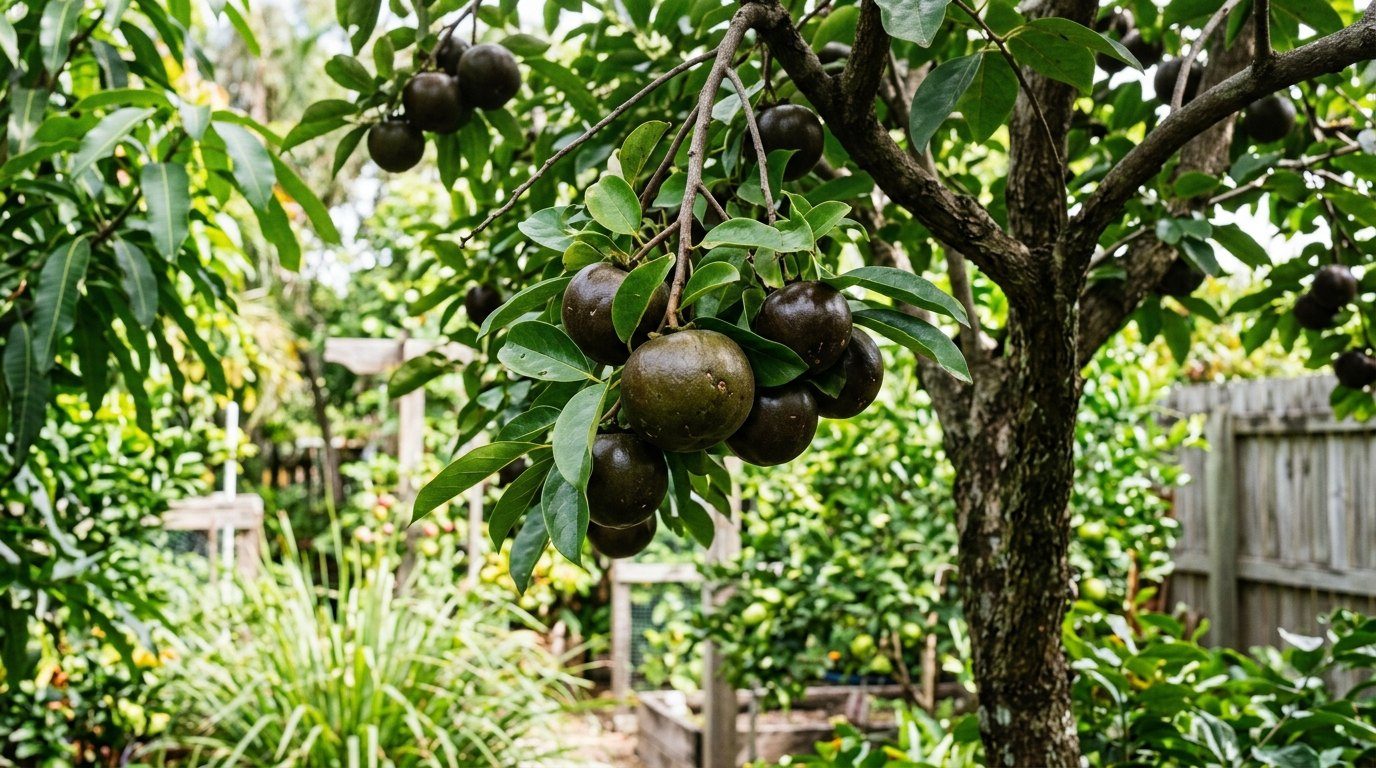
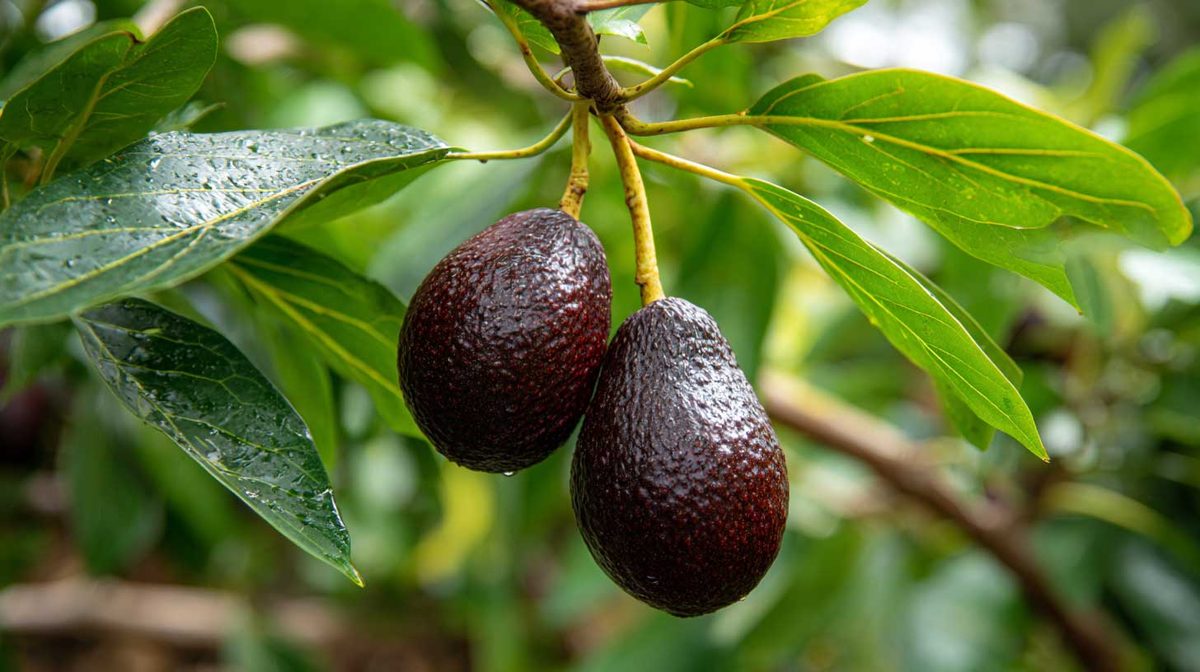
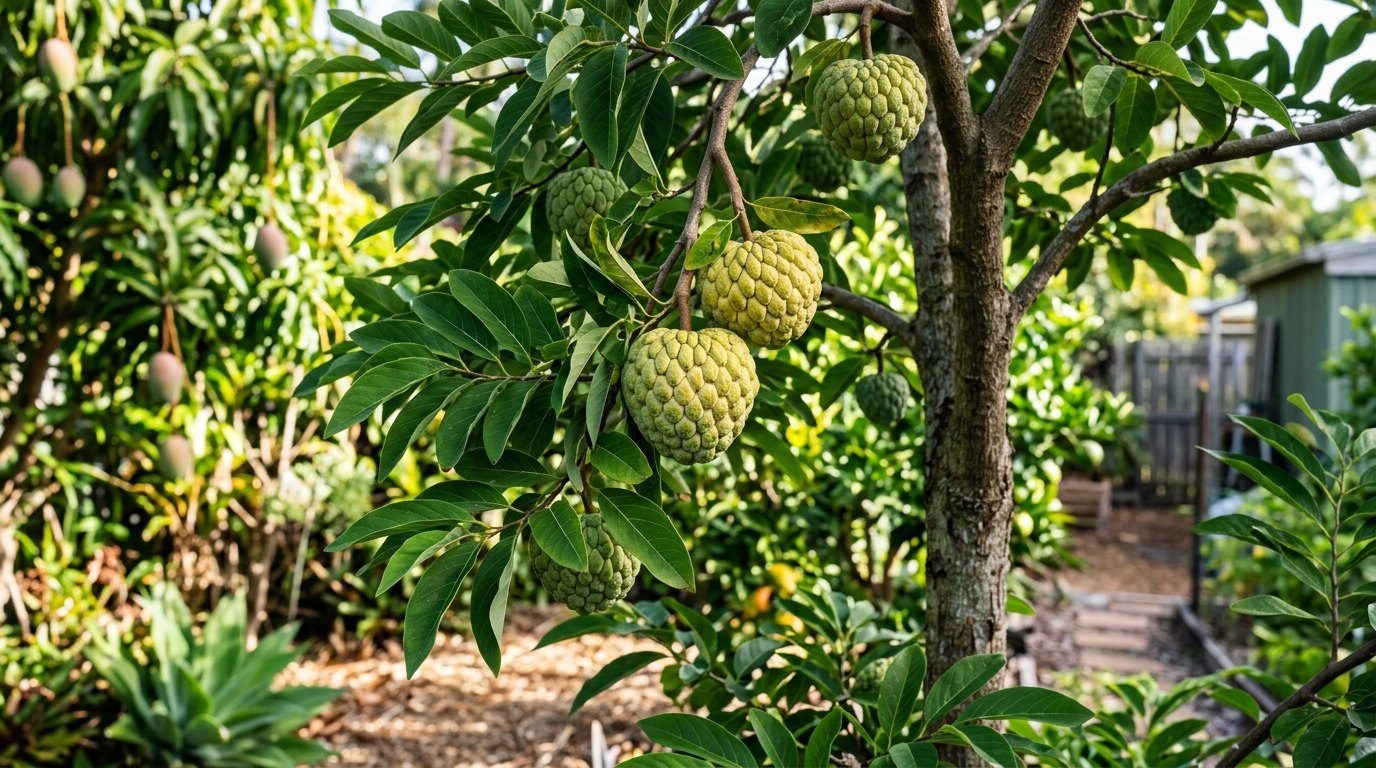
White sapote, Casimiroa edulis, is an evergreen tree from the highlands of Mexico and Central America. Its round, green to yellow fruit has thin skin and sweet, creamy flesh you eat with a spoon. Despite the name, it is not related to black sapote or sapodilla; it belongs to the citrus family.
The tree is vigorous and crops heavily, and it handles light frost once established. The main things to plan for are its size and the fruit that drops.
Where White Sapote Grows in the US
Southern California (zones 9b to 11b) is one of the best places to grow white sapote; plant in March, April or October and give it plenty of room. In Central and South Florida plant from February to April. In North Florida and the Gulf South it is marginal: plant in March or April after the last frost and cover young trees on freeze nights, since mature trees take a light freeze. In Northern California and the Central Valley it is worth trying in frost protected spots; plant from March to May and cover young trees on frost nights. In Hawaii it does best at cooler, higher elevations, planted in spring or fall.
Dry desert heat and alkaline soil do not suit it in the Desert Southwest, and winter freezes in Central and East Texas are too hard. It is a subtropical tree, so the Mid-South and every colder region are too cold. Choose your region below for local planting months.
Varieties to Try
Suebelle
The most widely planted home variety. It is self-fertile, bears over a long season, and can pollinate other varieties.
Other named selections
California selections such as Vernon, McDill and Pike are grafted for fruit quality. Some need a pollinizer, so ask your nursery which varieties pair well.
Seedlings
Cheap but slow to bear and variable in fruit quality. Grafted trees are the better buy.
Planting
Plant in the months shown for your region. Choose full sun and deep soil that drains well. Keep the tree well away from foundations, pipes and paving, because the roots are strong, and away from patios and driveways, where dropped fruit makes a mess.
White sapote grows about 16 to 40 feet tall, so allow about 20 feet around it. Set the tree at nursery depth, water in well and mulch, keeping mulch clear of the trunk.
Care and Pollination
Pollination: some varieties set fruit alone and some need a pollinizer. Suebelle is self-fertile and a good partner for others.
Water: water regularly during dry weather, especially while fruit develops, and less in winter.
Pruning: cut back upright branches while the tree is young to keep fruit within reach, and thin heavy crops so branches do not break.
Frost: cover young trees on frost nights. Established trees handle light frost.
Pests and Diseases
These are the problems US gardeners are most likely to meet:
- Scale insects: Bumps on stems and leaves, often tended by ants and followed by sooty mold. Control the ants and spray with horticultural oil.
- Birds, squirrels and rats: They eat ripening and fallen fruit. Pick fruit when mature and clear dropped fruit.
- Few diseases: White sapote has few disease problems in the US.
Harvest and Storage
Pick fruit when mature, as the skin color changes from bright green toward a duller yellow-green and the fruit loses its shine. Clip it with a short stem rather than pulling, because fruit that ripens on the tree falls and bruises.
Ripen picked fruit at room temperature for a few days until it gives to gentle pressure, then eat it or keep it in the fridge for a few days. The flesh freezes well. Do not eat the seeds.
Track Your White Sapote Tree
Add white sapote to your garden in the Planting Season app and get reminders for watering and harvest time.
Open the App →Frequently Asked Questions
Is white sapote related to black sapote or sapodilla?
No. The shared name is a coincidence. White sapote belongs to the citrus family, black sapote is related to persimmon, and sapodilla is a different tropical tree again.
Where does white sapote grow best in the US?
Southern California is one of the best regions. It also grows in Central and South Florida, frost protected spots in Northern California and cooler, higher areas of Hawaii, and it is marginal in North Florida and the Gulf South.
How do I know when to pick white sapote?
Pick when the skin turns from bright green to a duller yellow-green. Clip the fruit with a short stem and let it soften at room temperature for a few days.
Can I eat white sapote seeds?
No. Eat only the flesh and discard the seeds.
See also: White Sapote in the Plant Library