
When to Plant Peas in Zone 5
USDA zone 5 covers zones 5a and 5b, with winter lows of -20 to -10°F (-29 to -23°C).
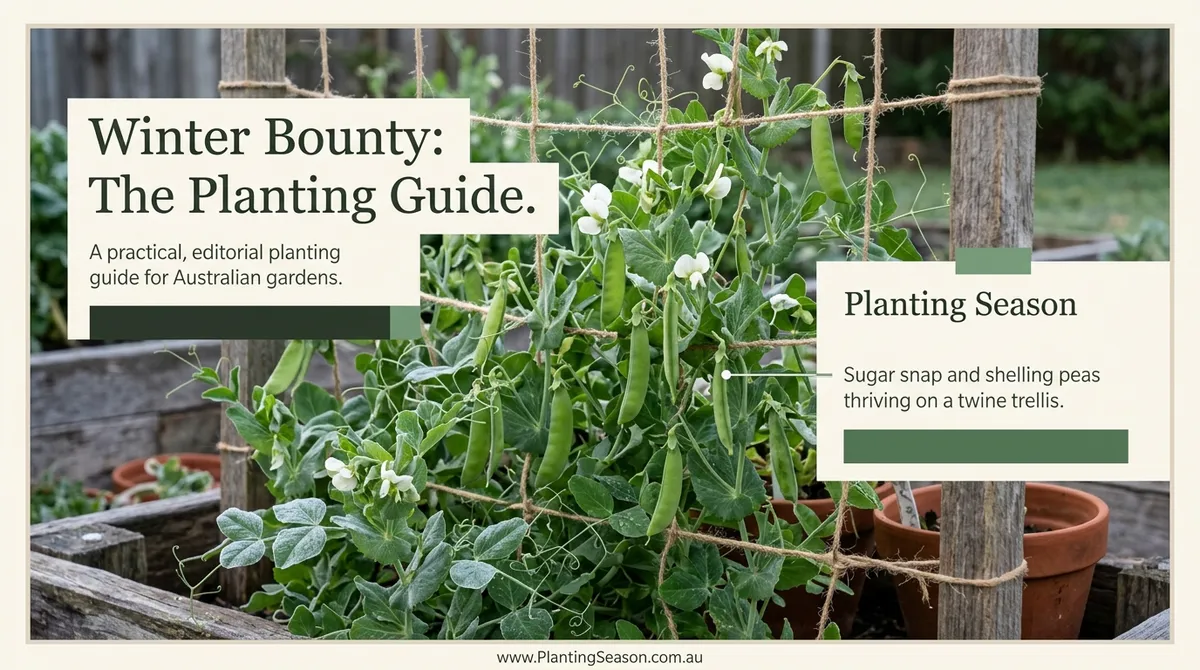
Peas are one of the first crops sown in a zone 5 spring: April and May in Iowa, Wisconsin, Illinois and Michigan, March to May in New York and northern New England, and April and May in Minnesota and South Dakota. All of those calendars allow a second sowing in summer for a fall crop.
Zone 5 peas planting months by region
| Planting region | Share of zone 5 | Plant peas | Last frost, zone 5 ZIP codes | First frost, zone 5 ZIP codes |
|---|---|---|---|---|
| Midwest & Great Lakes Continental, cold winters and warm summers | 43 percent | April and May, then July to September | April 28 | October 11 |
| Northeast & New England Cold winters, warm humid summers | 26 percent | March to May, then July to September | May 9 | October 4 |
| Upper Midwest & Northern Plains Cold continental, short season | 11 percent | April and May, then July and August | May 2 | October 4 |
| Mountain West High-elevation, dry, big day-night swings | 11 percent | April and May, then July to September | May 23 | September 24 |
| Southern Plains Hot summers, two planting seasons | 8 percent | February to April, then August to October | April 30 | October 10 |
Other regions (1 percent of the zone): Alaska.
How we built this table: we placed all 5,306 zone 5 ZIP codes (2023 USDA map) in our planting regions; the months are each region's own calendar and the frost dates are NOAA 1991 to 2020 medians for the zone's ZIP codes there.
First into the ground, and racing July
Peas do not mind cold air, and the seedlings shrug off a frost, but the seed can rot in soil that is both cold and wet. The rule zone 5 gardeners use is the soil, not the date: when a handful crumbles instead of forming a sticky ball, sow. In most of the zone that comes in April, a few weeks before the typical last frost of April 28 in the Midwest and May 9 in the Northeast. Seed in soil in the low 40s F can take three weeks to appear, so pushing the date earlier gains little.
What ends a zone 5 pea crop is heat. The vines stop flowering and the pods turn starchy once days run into the 80s F, which can happen by early July. A late sowing in May loses that race, so plant early and choose varieties that mature quickly. In the Mountain West part of the zone, in Colorado and Wyoming, dry wind is as hard on peas as heat, and straw mulch over moist soil helps the plants hold on into summer.
Two small steps help peas in new ground. Coat the seed with a pea and bean inoculant, the bacteria that let the roots fix nitrogen, if peas have not grown there in the last few years, and put up the trellis or netting at sowing time, before the tendrils need it. For a fall crop, sow in late July or early August, about 75 days, our figure for peas, before the first frost around October 11 in the zone 5 Midwest, and keep the seedbed moist and shaded through the August heat.
Zone 5 peas questions
Can I plant peas in March in zone 5?
Our Northeast calendar includes March, and so does the Southern Plains calendar that covers zone 5 in Nebraska. The Midwest, Northern Plains and Mountain West calendars start in April. Even where March is allowed, sow only once the soil has thawed and drained.
Is it worth planting fall peas in zone 5?
Often, but they are less certain than spring peas. Seed sown in hot July soil can be slow to come up, and the vines have to flower before frost. Choose a quick variety, sow in the July or early August part of the window, and be ready to cover the vines on the first frosty night.