
Bee-Friendly Planting
Updated June 2026
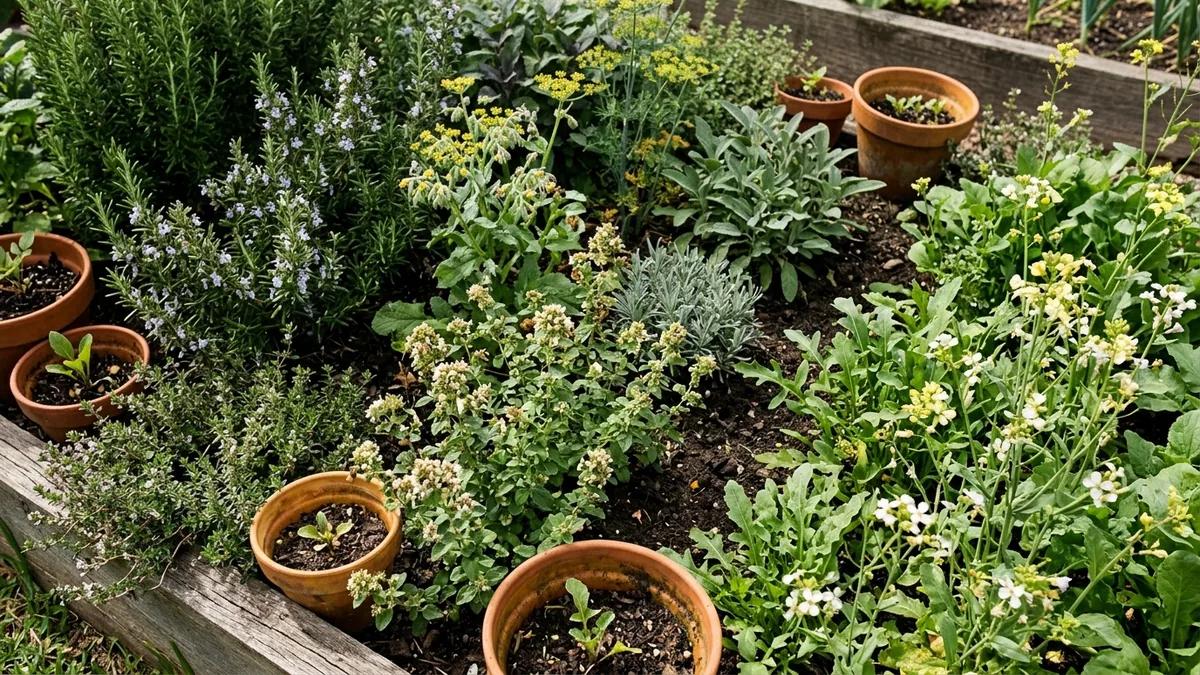
Plant a garden that feeds bees all season, with a picker that shows what to plant for bees right now
A garden full of bees is a garden that works. Bees pollinate your fruit, your squash, your beans and most of what you grow, and they do it for free if you give them a reason to stay. Bee-friendly planting is the simplest, most rewarding thing you can do for your garden and for the wider environment, whether you keep hives or just want more life buzzing around the beds.
This guide covers why bees matter, how to keep something in bloom all season so there is never a hungry gap, the top bee plants for the US including native species, how to avoid harming bees with sprays, and how to give them water. The picker below shows you which bee-friendly edibles, herbs, flowers and natives are blooming in each season so you can fill the calendar.
Why bees matter
Most of the food crops in a home garden depend on pollinators, and bees are the heavy lifters. A well-pollinated zucchini, apple or strawberry sets more fruit and fuller fruit than one the bees missed. Beyond your fence, bees pollinate a huge share of the plants that feed people and wildlife. Both managed honey bees and wild native bees face real pressure from habitat loss, disease and pesticides, so a backyard planted with the right flowers is genuine, useful help. The payoff is immediate too: more bees means better harvests in your own beds.
Planting for continuous bloom
The single most important idea in bee-friendly planting is continuous bloom. Bees need food across the whole season, not just one big flush. The goal is to always have something flowering, from the first spring blossom to the last fall aster.
The thing to watch for is the flower gap, a stretch where little is in bloom and bees go hungry. It often hits in the heat of mid-to-late summer or in the shoulder of early spring, but exactly when it falls depends on your USDA zone and your own garden. The fix is to deliberately plant things that bloom during your quiet weeks. Use the picker on this page to see what flowers in each season, then make sure every season is covered.
Top bee plants for the US
Bees do best with single, open flowers rich in nectar and pollen, and with a variety of flower shapes so different bees can feed. These are reliable performers across much of the US.
Garden favorites
Borage, lavender, salvia, sunflowers and phacelia are bee magnets. Borage refills its nectar fast, lavender hums all summer, and a patch of phacelia is one of the best bee plants you can sow.
Flowering herbs
Let herbs bloom and bees flock to them. Rosemary, oregano, thyme, sage and basil flowers are all excellent, and many flower when other plants are between flushes.
Fruit blossom and edibles
Spring fruit blossom on apples, plums and berries feeds bees early and rewards you with fruit. Sunflowers and squash flowers pull bees right into the vegetable patch.
US natives
Bee balm (Monarda), coneflower (Echinacea), goldenrod (Solidago), asters and milkweed (Asclepias) are adapted to your region and support native bees that introduced plants often cannot.
| Plant | Type | Bloom season | Why bees love it |
|---|---|---|---|
| Borage | Edible herb | Spring to fall | Refills nectar within minutes, open star flowers |
| Lavender | Herb | Summer | Long, dense bloom packed with nectar |
| Salvia | Herb or flower | Summer to fall | Tubular flowers loved by bees and bumble bees |
| Sunflowers | Edible flower | Summer | Big landing pads heavy with pollen |
| Phacelia | Flower or cover crop | Spring to summer | One of the highest nectar producers you can sow |
| Fruit blossom | Edible tree or cane | Spring | Vital early forage as colonies build up |
| Bee balm (Monarda) | US native | Summer | Native nectar source for bees and hummingbirds |
| Coneflower (Echinacea) | US native | Summer | Long-blooming native with accessible centers |
| Goldenrod (Solidago) | US native | Fall | Key late-season nectar before winter |
| Asters | US native | Fall | Fills the fall gap, feeds bees into the cold |
| Milkweed (Asclepias) | US native | Summer | Feeds bees and is the host plant for monarchs |
What to plant for bees, by season
Pick a season and this tool shows bee-friendly edibles and herbs, flowers, and US natives that bloom then, so you can plug the gaps and keep something flowering all year. US seasons are northern hemisphere, and exact timing shifts with your USDA zone.
Avoiding bee-harming sprays
You can plant all the flowers in the world, but if you spray over them you undo the good. Bees feed on open blooms, so that is exactly where they are most exposed.
- Never spray open blooms. If a plant is flowering and bees are visiting, do not spray it.
- Spray in the evening only, if you must spray at all, when bees have stopped flying.
- Avoid neonicotinoids, a class of insecticides especially harmful to bees, including on plants and seeds you buy.
- Prefer non-chemical methods first, such as hand-picking, barriers, healthy soil and encouraging natural predators.
For gentler ways to deal with common pests and to feed your plants, see the homemade feeds and sprays guide.
Water for bees
Bees need water as much as they need flowers, both to drink and to cool the hive on hot days. A reliable water source keeps them in your garden rather than a neighbor pool or pet bowl. The trick is giving them a safe place to land, because bees drown easily in open water.
Set out a shallow dish or birdbath filled with stones, pebbles or marbles that poke above the waterline, so bees can perch on the dry tops and sip from the edges. Keep it topped up, especially through summer, and put it in a sunny, sheltered spot near your flowers. It costs nothing and makes your garden a far better bee stop.
Native bees and honey bees
When people picture a bee they usually think of the honey bee, but honey bees are a managed, non-native species kept in hives. The US is also home to roughly 4000 native bee species, including bumble bees, mason bees, leafcutter bees, squash bees and a great many solitary, ground-nesting bees. These wild bees are superb pollinators, and some crops are pollinated better by natives than by honey bees.
You can support native bees alongside any honey bees in the area with three simple things:
- Plant natives, especially bee balm, coneflower, goldenrod, asters and milkweed, which native bees are adapted to.
- Leave some bare, undisturbed ground, since most native bees nest in the soil rather than in hives.
- Add bee houses for cavity-nesting bees like mason and leafcutter bees, and keep them clean.
Build a bloom calendar that never leaves bees hungry
The Planting Season app maps what is flowering across your garden, flags the flower gaps, and suggests bee plants to fill them by season and USDA zone. Plant once, feed bees all year.
Open the App →Common questions
What are the best plants for bees?
Bees love single, open flowers rich in nectar and pollen. Reliable favorites for the US include borage, lavender, salvia, flowering herbs such as rosemary, oregano and basil left to bloom, sunflowers, phacelia, and fruit blossom in spring. Add US natives such as bee balm (Monarda), coneflower (Echinacea), goldenrod (Solidago), asters and milkweed (Asclepias). The goal is a mix of shapes and a long bloom season rather than any single plant.
How do I keep bees fed all season?
Plant for continuous bloom so something is always flowering. Combine spring bloomers like fruit blossom and borage, summer plants like lavender, salvia and sunflowers, and fall plants like asters and goldenrod. The aim is to avoid the flower gap, the stretch where little is in bloom and bees go hungry. When that gap falls depends on your USDA zone, so watch your own garden and fill the quiet weeks with plants that bloom then.
Are some flowers useless to bees?
Yes. Many highly bred double flowers have so many petals that bees cannot reach the nectar, and some produce little pollen or nectar at all. Bees do best with single, open blooms where the center is easy to reach. When you choose plants and seed, favor single-flowered, nectar-rich varieties and old-fashioned cottage flowers and herbs over fancy doubles bred only for looks.
How do I avoid harming bees with sprays?
Never spray open blooms, because that is where bees feed. If you must spray, do it in the evening when bees are not flying, and choose the least harmful option. Avoid neonicotinoid insecticides, which are especially harmful to bees, and prefer non-chemical methods first, such as hand-picking, barriers, and encouraging beneficial insects. Our homemade feeds and sprays guide covers gentler options for common garden problems.
Do bees need water?
Yes, bees need water to drink and to cool the hive, and a reliable source keeps them in your garden instead of visiting a neighbor pool or pet bowl. Offer a shallow dish or birdbath with stones, pebbles or marbles poking above the surface so bees have somewhere to land and drink without drowning. Top it up often, especially in summer, and place it near your flowers in a sunny, sheltered spot.
What is the difference between honey bees and native bees?
Honey bees are a managed, non-native species kept in hives for honey and pollination. Native bees are the wild bees that evolved here, and the US has roughly 4000 species, including bumble bees, mason bees, leafcutter bees and squash bees, many of them solitary and nesting in the ground. Native bees are vital pollinators in their own right. Support them with native plants, some areas of bare undisturbed ground, and bee houses for cavity nesters.
Which native plants are best for US bees?
Top US native bee plants include bee balm (Monarda), coneflower (Echinacea), goldenrod (Solidago), asters and milkweed (Asclepias). Natives are adapted to your region and often support specialist native bees that introduced plants do not. Choose species suited to your USDA zone and aim for a spread of bloom times across the year. Local native plant nurseries and extension lists are good places to find the right species for your area.
Can I help bees with a small garden or balcony?
Absolutely. Even a few pots of bee plants make a difference. Grow flowering herbs like rosemary, oregano, thyme and basil and let some flower, add borage or lavender in a container, and tuck in a small native or a pot of phacelia. A shallow water dish with pebbles and a sunny, sheltered spot turn a balcony into a useful refueling stop on a bee route through the neighborhood.
Source: US university Cooperative Extension and pollinator conservation guidance on bee-friendly planting, native bees and pesticide safety; plant choices and bloom timing vary by USDA zone.
Related guides
See also: How to Grow Lavender, the bees section, and the homemade feeds and sprays guide