How to Grow Arrowroot in the US
Updated September 2026
Edible canna, grown for its starchy rhizomes and leafy growth
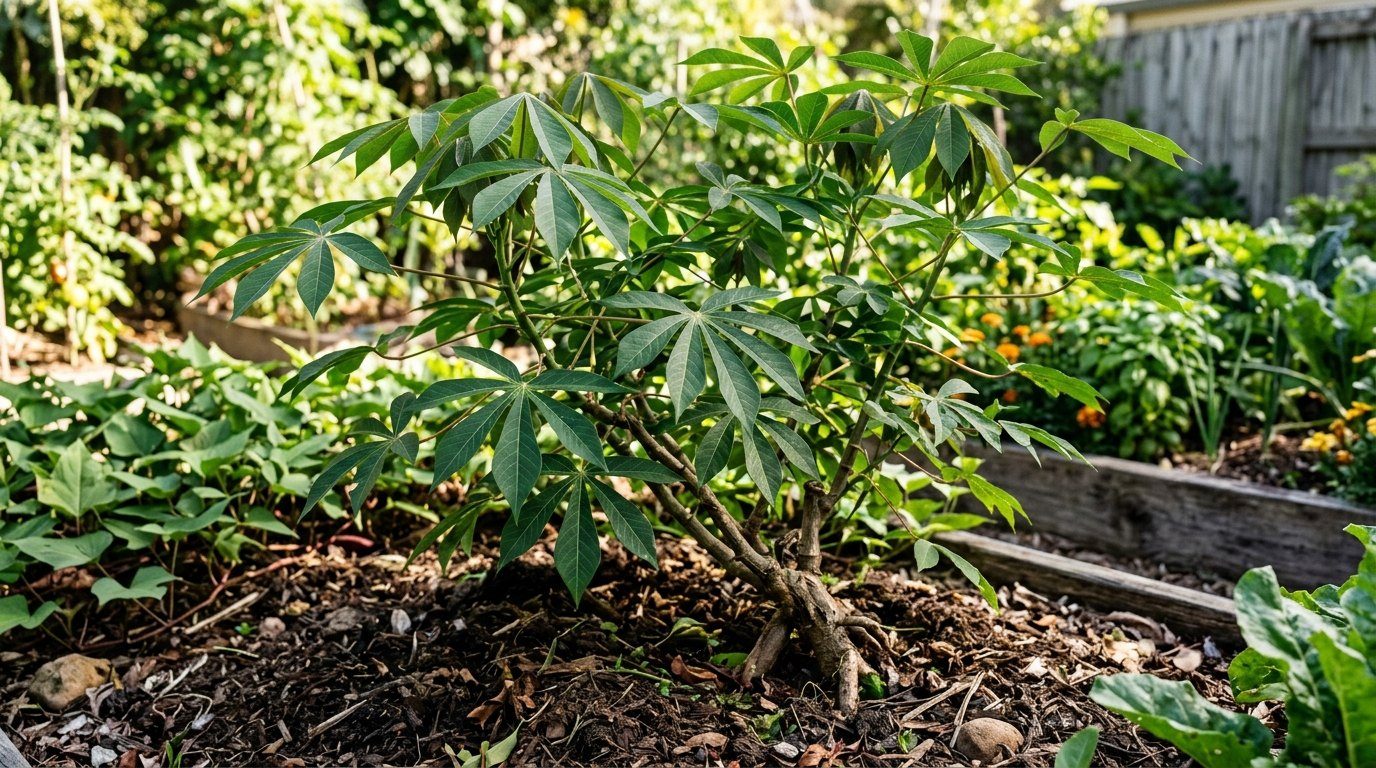
The arrowroot in our plant library is edible canna, Canna indica, often sold as Canna edulis and also called Queensland arrowroot or achira. It is a tall, leafy clump related to garden cannas, grown for its large, starchy rhizomes. It is a different plant from West Indian arrowroot, Maranta arundinacea, the traditional source of arrowroot powder.
Edible canna grows fast in warm weather, reaches 5 to 10 feet tall, and gives both food and a heap of leafy material for mulch or for feeding poultry. Its main need is a long warm season, because the roots take about 300 days to reach full size.
Where Arrowroot Grows in the US
Hawaii suits edible canna all year; plant rhizomes in spring or fall. In South Florida plant from March to June, from spring into the start of the wet season, and in Central Florida plant in March or April. In Southern California plant from March to May and keep the rhizomes well watered through the dry summer. In the Desert Southwest plant in February or March after frost so the clump settles in before summer, and give it steady water and afternoon shade in the heat. In Northern California and the Central Valley plant in April or May once the soil warms, water through summer and mulch the clump over winter.
Our Mid-South calendar lists April or May planting: mulch heavily or lift the rhizomes before the first hard freeze. In North Florida, the Gulf South and Texas the calendar does not list it, because the frost free season is too short for the rhizomes to mature outdoors. The Pacific Northwest summers are too cool for a worthwhile crop. In the Northeast and New England, the Mid-Atlantic, the Midwest and Great Lakes, the Mountain West and the Southern Plains the season is too short for a worthwhile tuber crop, so grow it as an ornamental and lift the rhizomes in fall. The Upper Midwest and Northern Plains and Alaska have far too short a season. Choose your region below for local planting months.
Varieties to Try
Edible canna
Usually sold as edible canna, achira or Queensland arrowroot rather than by variety name. Buy rhizomes from a nursery that sells food plants.
Green-leaved and purple-leaved forms
Both are grown for food. Purple-leaved plants are also attractive in an edible landscape.
Ornamental cannas
Garden cannas are bred for flowers, not for eating. Grow edible canna for the kitchen rather than digging up bedding plants.
Planting
Plant rhizomes in the months shown for your region, once the soil is warm. Cut large rhizomes into pieces with at least one or two growing buds each and let the cuts dry for a day.
Choose full sun to part shade and rich, moist, well-drained soil with plenty of compost. Plant pieces about 4 inches deep and about 3 feet apart. In a container, use a pot at least 20 inches wide, since the clump grows large.
Care and Pollination
Water: keep the soil evenly moist through the growing season. Edible canna is thirsty in heat and slows down if it dries out.
Feeding: it is a heavy feeder. Mulch with compost and side-dress with compost or a balanced fertilizer once or twice during summer.
Leaves: you can cut some older leaves through the season for mulch or poultry feed without harming the crop. Leave most of the foliage to feed the rhizomes.
Wind: tall clumps can blow over. Plant in a sheltered spot or along a fence.
Pollination: not needed, since you harvest the rhizomes.
Pests and Diseases
These are the problems US gardeners are most likely to meet:
- Canna leaf roller: Caterpillars of the Brazilian skipper roll leaves into tubes and feed inside, common in the Southeast. Cut off and destroy rolled leaves.
- Japanese beetles: Chew leaves and flowers in Eastern gardens in summer. Hand-pick them early in the day.
- Slugs and snails: Damage young shoots in damp weather. Check at night and remove them.
- Canna rust: Orange spots on leaves in humid weather. Remove affected leaves and give plants airflow.
- Rhizome rot: Rhizomes rot in cold, waterlogged soil. Plant in soil that drains well.
For organic control methods, see our organic pest management guide.
Harvest and Storage
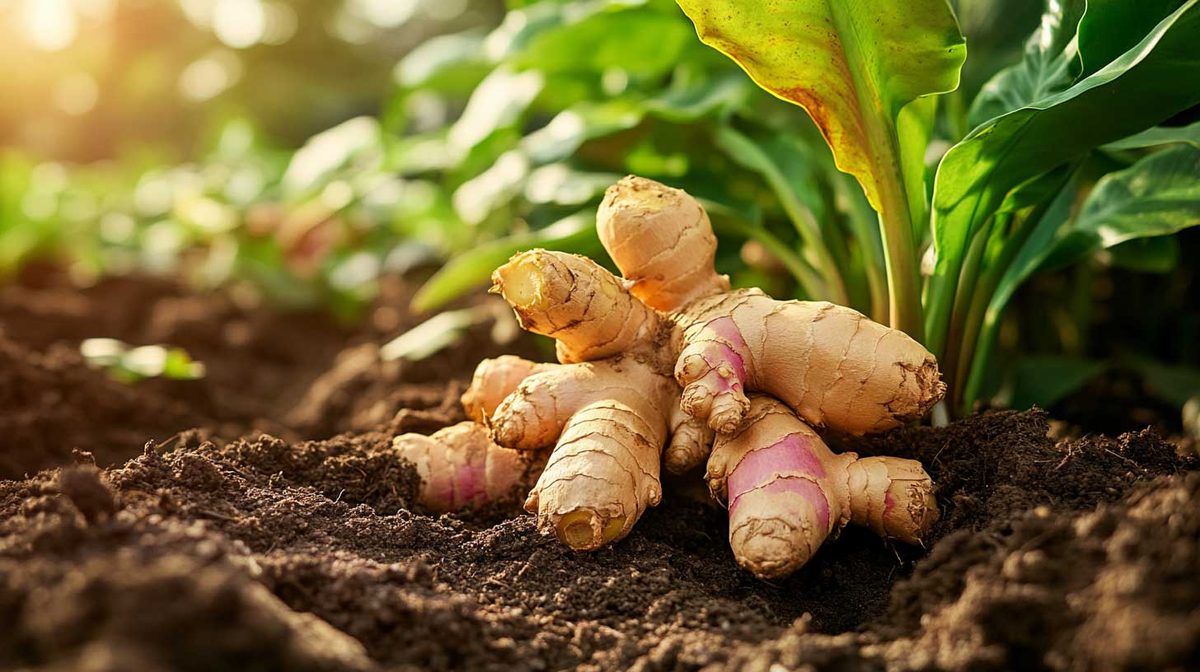
The rhizomes reach full size about 300 days after planting. In frost-free gardens, dig them as needed; they keep in the ground. Where frost comes, dig the clump in fall once the leaves start to yellow, or before the first hard freeze.
Young rhizomes are the most tender. Peel and cook them like potatoes, boiled or roasted. To make starch, grate peeled rhizomes into water, strain out the fibers, let the starch settle, pour off the water, and dry the white starch before storing it in a jar.
Track Your Arrowroot
Add arrowroot to your garden in the Planting Season app and get reminders for planting, watering and harvest time.
Open the App →Frequently Asked Questions
Is this the same arrowroot as the powder in stores?
Not always. Our arrowroot is edible canna, also called Queensland arrowroot or achira. Arrowroot powder is traditionally made from West Indian arrowroot, Maranta arundinacea, a different plant, though edible canna starch is used the same way.
Can I eat the rhizomes of ornamental cannas?
Grow edible canna for eating. Garden cannas are bred for flowers, their rhizomes are often small and fibrous, and plants sold as ornamentals may have been treated with products not meant for food crops.
How long does arrowroot take to harvest?
Edible canna rhizomes take about 300 days to reach full size. Where frost comes earlier, dig the clump in fall for a smaller harvest.
Will arrowroot survive winter?
In Hawaii and frost-free parts of Florida and California it stays in the ground. In the Mid-South and Northern California mulch it heavily or lift the rhizomes. In colder regions, lift and store rhizomes indoors over winter.
See also: Arrowroot in the Plant Library