
How to Grow Lettuce: When to Plant Lettuce in Your US Region
Updated October 2026
Lettuce is a fall-through-winter crop in Florida. Plant it in the cool months, choose heat-tolerant types, and you can cut salads for months.
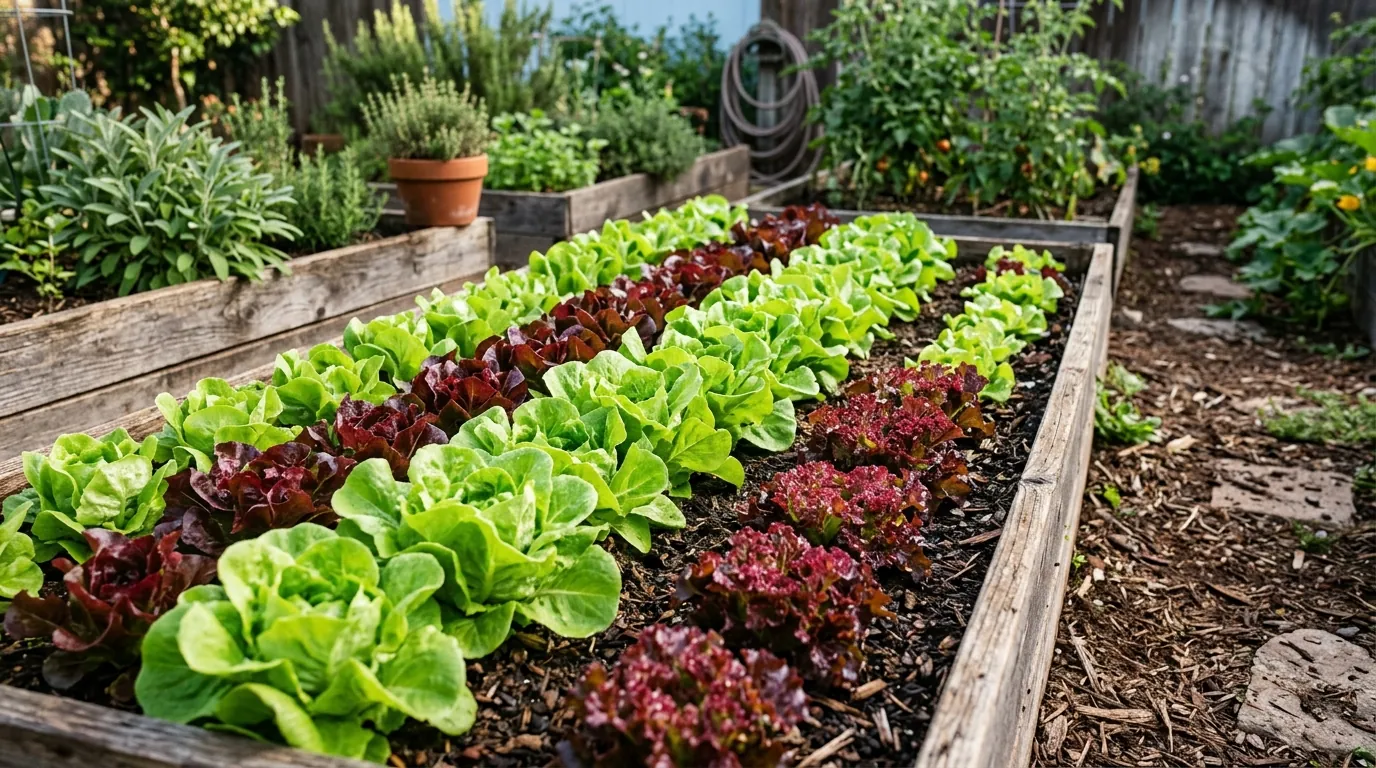
Lettuce is fast, easy and one of the most rewarding cool-season crops in Florida, as long as you grow it in the cool season. Sown from fall into late winter, it crops happily through the mild Florida winter. Sown in spring or summer, it bolts to seed and turns bitter in the heat.
The single biggest thing to understand about lettuce is bolting. When temperatures and day length climb, generally past about 80F, the plant switches from making leaves to making a flower stalk. The leaves turn bitter and tough. Everything in this guide comes back to keeping lettuce cool: the right season, the right varieties, afternoon shade and steady moisture.
The good news is that lettuce is quick. Loose-leaf types are ready to pick in around a month and a half, and you can take outer leaves even sooner. Sow a little and often and you can keep cutting fresh salads right through the Florida winter.
Lettuce succession and bolt-risk selector
Choose your season and climate for the best types, your bolt risk and how often to sow.
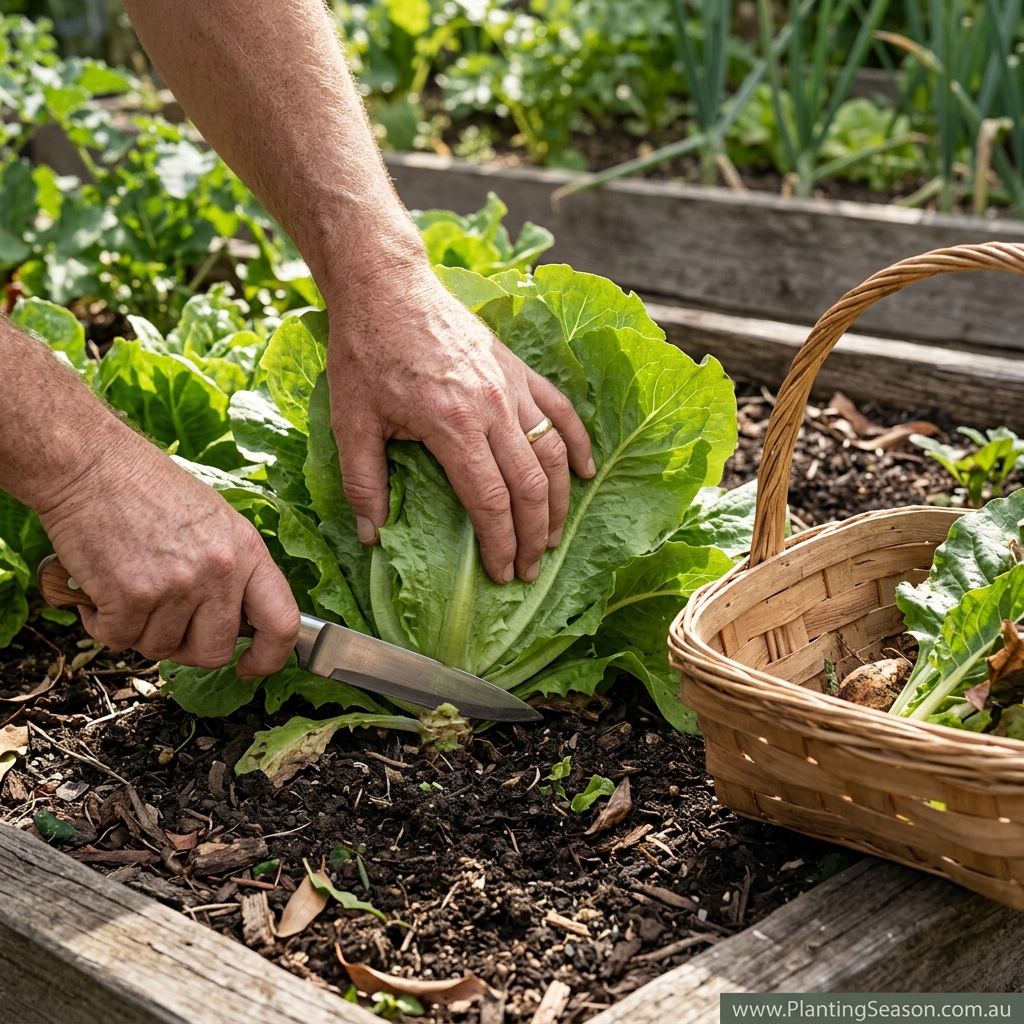
What it looks like as it grows
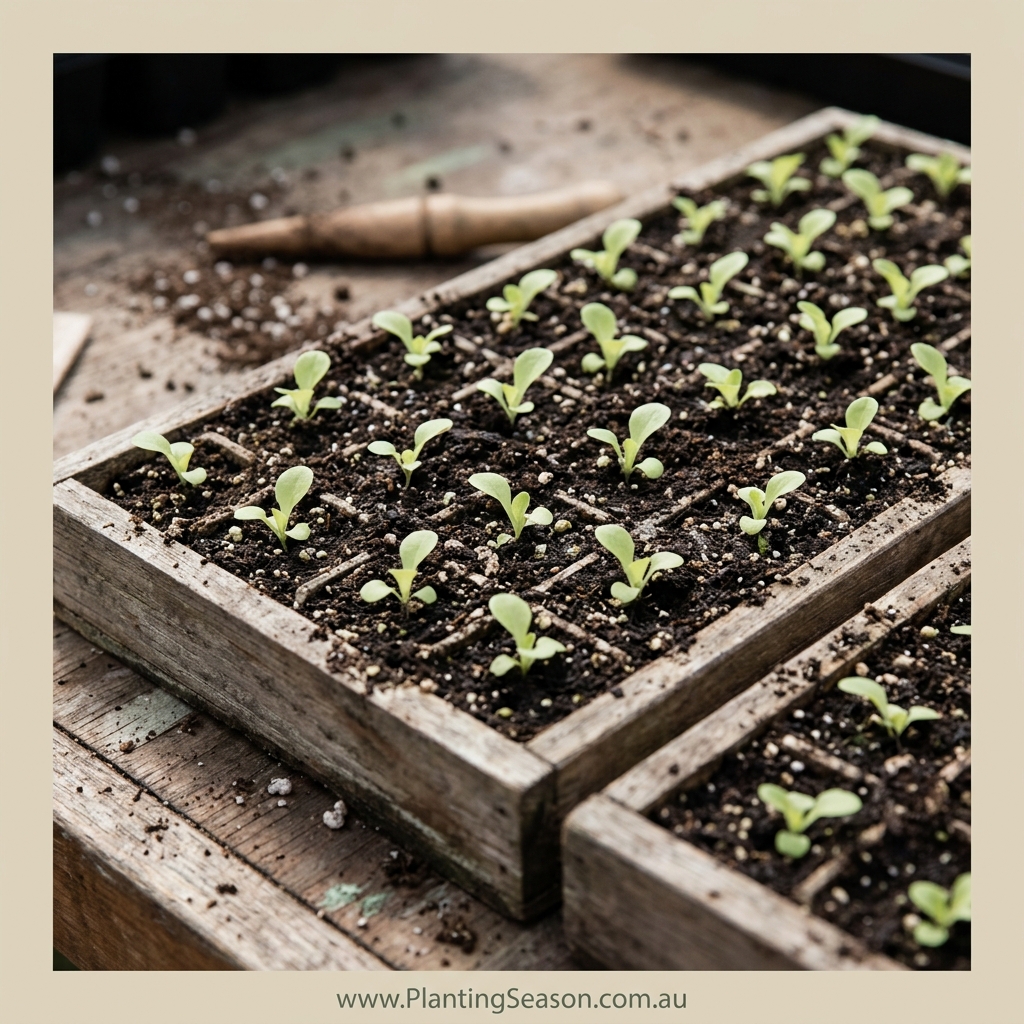
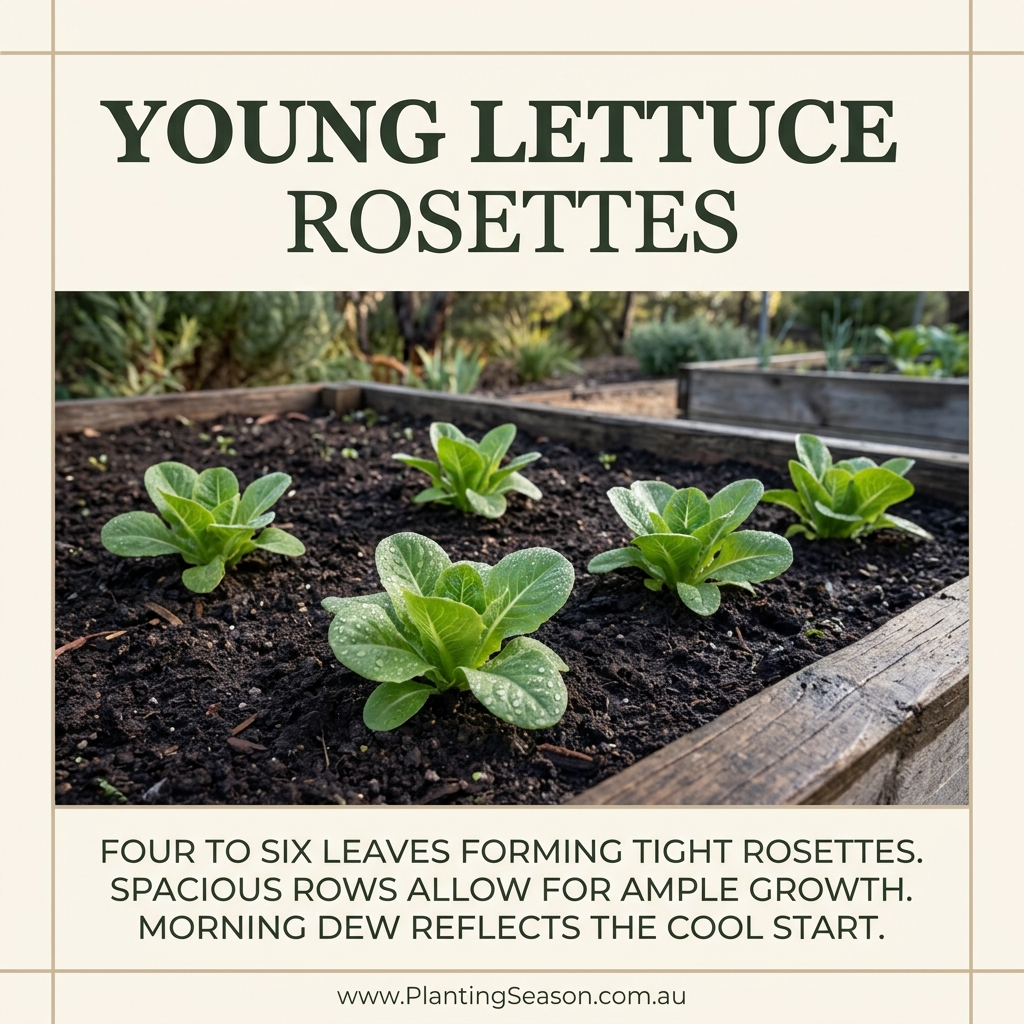
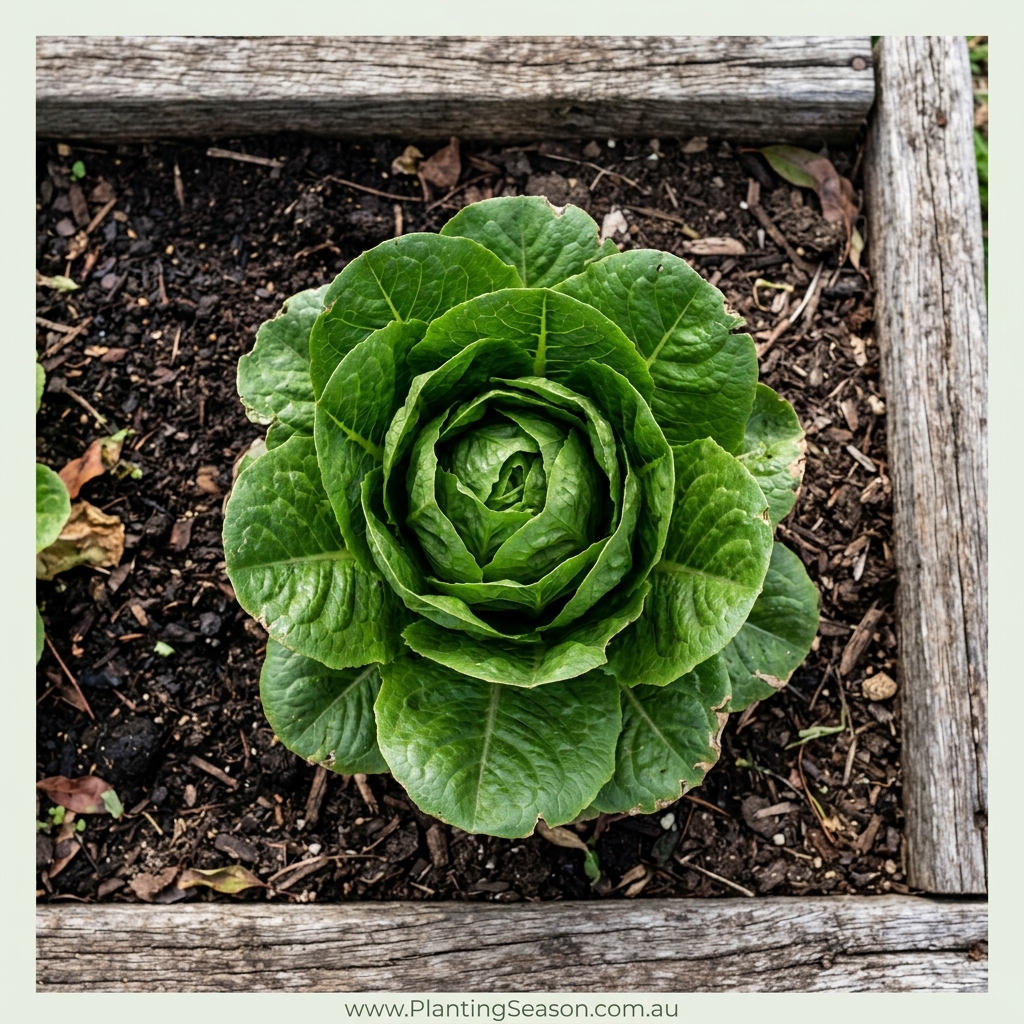
🌱 Plant profile: Lettuce, with sowing times for your region, companion plants and common pests.
When to Plant Lettuce in Your Region
Lettuce is a cool-season crop that bolts and turns bitter in heat, so most of the country sows it in spring and again from late summer into fall. Florida, the low desert and Southern California sow it through fall and winter. These are the planting months for each of our 18 regions, with each region's frost window. Each region links to its full vegetable planting calendar, and the Lettuce plant page shows the calendar for any region you pick.
| Region | Sow seed | Frost window and local note |
|---|---|---|
| North Florida | February to March and September to October | February 15 to December 5 |
| Central Florida | September to March | Effectively frost free |
| South Florida | September to January | Effectively frost free |
| Gulf South | February to March and September to October | February 25 to December 1 |
| Desert Southwest | September to February | February 5 to December 5 |
| Texas | February and September to October | March 1 to November 28 |
| Southern California | January to March and September to November | Effectively frost free |
| Mid-South | February to March and August to October | April 10 to October 25 |
| Pacific Northwest | February to April and July to September | March 25 to November 15 |
| Northeast & New England | March to May and July to September | May 10 to October 15 |
| Mid-Atlantic | February to April and August to October | April 15 to October 25Sow in early spring and again from mid August; July heat stops the seed sprouting and makes young plants bolt. |
| Midwest & Great Lakes | April to May and July to September | April 30 to October 15 |
| Upper Midwest & Northern Plains | April to May and July to August | May 15 to September 25 |
| Mountain West | April to May and July to September | May 5 to September 30 |
| Southern Plains | February to April and August to October | April 10 to October 30Sow in early spring and again from mid August; July heat stops the seed sprouting and makes young plants bolt. |
| Northern California & Central Valley | August to March | February 28 to November 17 |
| Hawaii | October to March | Effectively frost free |
| Alaska | May to July | May 15 to September 10 |
North Florida and the Gulf South plant lettuce in February and March, and September and October. The Mid-Atlantic and the Southern Plains plant lettuce in February to April and August to October. The Midwest and the Mountain West plant lettuce in April and May, and July to September.
Position and Soil
Give lettuce full sun in the cool months, but provide afternoon shade if you are pushing into warmer weather, as shade keeps the plants cooler and slows bolting. Lettuce has shallow roots, so it needs a rich, compost-amended soil that holds moisture without staying waterlogged. A pH around 6.0 to 7.0 is ideal. In Florida's sandy ground, plenty of organic matter is the key to keeping leaves tender and the plant growing fast.
Sowing
Sow seed shallowly, about a quarter inch deep, as lettuce seed needs light to germinate well. You can direct-sow or start in trays and transplant. Sow a little every 2 to 3 weeks for a steady supply rather than one big planting that all matures at once. In summer heat, sow in the cool of the evening and keep the seedbed moist, because lettuce seed will not germinate well in hot soil.
Spacing
- Loose-leaf: 6 to 8 inches apart, or sow thickly and harvest as cut-and-come-again.
- Romaine and butterhead: about 8 to 10 inches apart.
- Crisphead: 10 to 12 inches apart to let heads fill out.
Watering and Feeding
Lettuce dislikes drying out, so keep the soil steadily moist. Shallow roots mean it cannot chase water deep down, and a check from drought can trigger bitterness and bolting. Water in the morning at the roots. A light, steady nitrogen feed keeps leaves tender and growing quickly, which is exactly what you want from a leaf crop. Mulch helps hold moisture and keeps the soil cool.
Common Problems
Aphids, armyworms and slugs are the usual visitors, and downy mildew and bottom rot show up in damp, crowded beds. Space plants for airflow, water in the morning at the roots, and check the undersides of leaves. The biggest problem of all is bolting: keep lettuce cool and well watered, and choose slow-bolt varieties to push the risk back.
Harvest
Leaf lettuce is ready in about 45 to 55 days, but you do not have to wait. Pick outer leaves as cut-and-come-again from around 30 days and the plant keeps giving. Harvest heading types when the heads feel firm. Cut in the cool of the morning when leaves are crisp, and refrigerate quickly to keep them fresh.
Varieties for Florida
Loose-leaf and romaine types handle Florida's warmth far better than tight head lettuces.
| Variety | Type | Days to Harvest | Notes |
|---|---|---|---|
| 'Buttercrunch' | Butterhead | 50 to 60 | Reliable and more heat-tolerant than most butterheads. |
| 'Parris Island' | Romaine / Cos | 60 to 70 | Dependable upright romaine, good in the cool season. |
| 'Black Seeded Simpson' | Loose-leaf | 45 to 50 | Fast, tender, ideal for cut-and-come-again. |
| 'Great Lakes' | Crisphead | 70 to 85 | Heat-tolerant crisphead, the best bet for a firm head in the warmth. |
| Region | Sow / transplant |
|---|---|
| North Florida | September to October, February to March |
| Central Florida | September to March |
| South Florida | September to January |
Sow a little every 2 to 3 weeks for a steady supply. See your region's window on the lettuce page.
What to Plant with Lettuce
Our companion data lists these plants as good neighbors for lettuce, and these to keep apart. The lists read both ways, so a plant that names lettuce as a companion appears here too. The full companion planting chart for vegetables has the same lists for 55 crops and prints on one sheet.
- Good companions for lettuce: Arugula, Beet, Carrot, Chives, Fava Beans, Garlic, Green Onion, Marigold, Onion, Radish, Snow Peas, Strawberry, Swiss Chard, Turnip.
- Keep lettuce apart from: Parsley.
Lettuce at a glance
The planting figures for lettuce from our plant data, converted to inches and Fahrenheit.
| Planting depth | 1/4 inch |
|---|---|
| Spacing | 10 inches |
| Days to come up | About 10 days |
| Soil temperature for sprouting | 50 to 72°F |
| Days to harvest | About 55 days |
| Frost | Half-hardy |
| Container | At least 8 inches |
Sowing lettuce seed
Sow lettuce seed shallow, about 1/4 inch deep, because it needs light to germinate. Our plant data gives a soil temperature range of 50 to 72°F and about 10 days to emerge, which is why midsummer sowings often fail: hot soil stops the seed sprouting. Thin or transplant to about 10 inches apart, keep the soil evenly moist, and sow a little every few weeks for a steady supply. Light afternoon shade helps as the weather warms.
Growing lettuce in containers
Lettuce is one of the easiest crops for a pot or window box. Our plant data suggests a container at least 8 inches across. See salad greens in containers for mixes and watering.
How long does lettuce take to grow?
Our plant data allows about 55 days from sowing to a full head, and loose-leaf types can be picked well before that. For hearting types, cut the whole head once it is firm. For loose-leaf, pick the outer leaves as needed and leave the center, and the plant keeps giving for weeks. If plants start to stretch upward they are about to bolt; see why lettuce bolts and how to stop it.
Frequently Asked Questions
When should I plant lettuce in Florida?
Lettuce is a cool-season crop in Florida, grown from fall into late winter. In North Florida sow September to October and again February to March, in Central Florida September to March, and in South Florida September to January. Sown in the spring or summer heat it bolts to seed and turns bitter.
Why did my lettuce turn bitter and tall?
It bolted, meaning it ran to seed. Bolting is triggered by heat and long days, generally above about 80F. Stick to the cool fall-to-winter window in Florida and choose heat-tolerant, slow-bolt varieties to delay it.
What lettuce varieties grow best in Florida?
Loose-leaf and romaine types handle Florida's warmth better than tight head lettuces. Good choices are 'Buttercrunch' butterhead, 'Black Seeded Simpson' loose-leaf, 'Parris Island' romaine, and the heat-tolerant 'Great Lakes' crisphead. Avoid butterhead and tight iceberg types in warm spells.
How do I grow lettuce in summer?
In hot weather choose loose-leaf and heat-tolerant crisphead or romaine types, give afternoon shade, sow in the cool of evening, and keep the soil moist. In the Deep South it is usually best to skip mid-summer altogether and wait for fall.
How often should I sow lettuce?
Sow a little every 2 to 3 weeks for a steady supply rather than one big planting that all matures at once. Small frequent sowings give you fresh salads over a long season.
How long does lettuce take to grow?
Leaf lettuce is ready in about 45 to 55 days, but you can start picking outer leaves cut-and-come-again from around 30 days. Heading types take a little longer to fill out.
Does lettuce need full sun?
Lettuce likes full sun in the cool months. As the weather warms, afternoon shade keeps it cooler, slows bolting and stops the leaves turning bitter.
See also: Lettuce in the plant library →
When should I plant lettuce?
North Florida and the Gulf South plant lettuce in February and March, and September and October. The Mid-Atlantic and the Southern Plains plant lettuce in February to April and August to October. The Midwest and the Mountain West plant lettuce in April and May, and July to September. The table on this page lists all 18 regions with their months.
Can I plant lettuce in October?
Yes, in 12 of our 18 regions: North Florida, Central Florida, South Florida, the Gulf South, the Desert Southwest, Texas, Southern California, the Mid-South, the Mid-Atlantic, the Southern Plains, Northern California and Hawaii. Everywhere else our calendar has no October planting for lettuce; the table on this page shows each region's months.
Related guides
Source: UF/IFAS Florida Vegetable Gardening Guide (SP 103), Lettuce; UF/IFAS Gardening Solutions.
Plant profile
The lettuce profile has sowing times for your region, companion plants and common pests.