How to Grow Medlar in the US
Updated September 2026
A heritage fruit tree you pick hard and eat soft
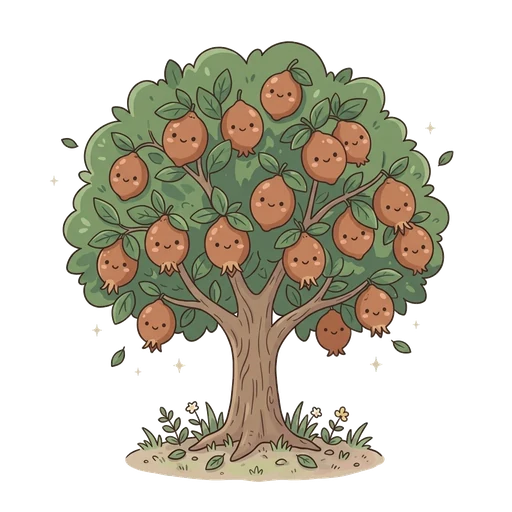
Medlar is a small, handsome tree with large white spring flowers and russet-brown fruit that looks like a large rosehip. The fruit is hard and astringent when picked. It becomes edible after bletting, a few weeks of softening indoors, when the flesh turns brown and tastes like spiced apple butter.
Medlar is hardy, self-fertile and rarely troubled by pests, which makes it an easy tree for cooler gardens with room for something unusual.
Where Medlar Grows in the US
Medlar suits the mild maritime climate of the Pacific Northwest; plant bare root in February, March or November. In the Mid-South and the Mid-Atlantic plant in the same months. In the Southern Plains plant in February, March or November, sheltered from hot summer winds. In the Northeast and New England and the Midwest and Great Lakes it is hardy to about zone 5, so give it a sheltered spot in colder areas and plant in April, May or October. In the Mountain West plant in April, May or October and give it regular summer water.
In Northern California plant bare root from December to February, with some afternoon shade in the hottest valley towns. Southern California can plant in January or February; medlar needs some winter cold, so frost-free coastal gardens may see light crops. Florida and the Gulf South are too warm, the Desert Southwest is too hot and dry, and Texas has hot summers and alkaline soils that do not suit it. The Upper Midwest and Northern Plains and Alaska are too cold, and Hawaii is too warm. Choose your region below for local planting months.
Varieties to Try
Nottingham
A compact tree with small fruit that many growers rate highest for flavor.
Royal
A reliable, heavy-cropping variety with medium fruit.
Breda Giant
Large fruit on a vigorous tree.
Dutch
Large fruit on a spreading, somewhat weeping tree with an ornamental shape.
Planting
Plant bare root trees while dormant, in the months shown for your region. Choose full sun and fertile, well-drained soil that is slightly acid to neutral, about pH 6 to 7. Medlars are usually grafted onto quince, pear or hawthorn rootstock.
Trees grow about 10 to 16 feet tall with a spreading crown, so allow about 13 feet around each one. Plant at nursery depth with the graft above soil level, stake in windy spots, water in and mulch.
Care and Pollination
Pollination: medlar is self-fertile, so one tree is enough. It flowers late in spring, which helps the blossom miss frosts.
Water: water through dry summers while the tree establishes, and in long dry spells after that.
Pruning: little is needed. In winter, shape young trees to a few well-spaced branches and later remove dead, crossing or crowded wood.
Feeding: spread compost around the tree each spring.
Pests and Diseases
These are the problems US gardeners are most likely to meet:
- Few serious pests: Medlar is one of the least troubled fruit trees.
- Fire blight: Like its relatives pear and quince, it can occasionally be affected in warm, humid springs. Shoots blacken and curl like a shepherd's crook. Prune them out well below the damage and clean pruners between cuts.
- Leaf spot and mildew: Minor leaf problems in damp summers. Rake up fallen leaves in fall.
- Birds: Birds sometimes peck soft fruit left on the tree late.
Harvest and Storage
Pick medlars in late fall while still hard, on a dry day, by snipping or twisting the stalks. Lay them in a single layer, eye down, on a tray or in a box with sawdust or paper, and keep them in a cool, airy place.
Over two to three weeks the fruit bletts: the skin darkens and the flesh turns soft and brown. Eat bletted medlars with a spoon, straight from the skin, or cook them into medlar jelly. Check the tray every few days and use fruit as it softens.
Track Your Medlar Tree
Add medlar to your garden in the Planting Season app and get reminders for planting, harvest and bletting.
Open the App →Frequently Asked Questions
What is bletting?
Bletting is the softening of medlar fruit after picking. Hard fruit is stored in a cool place for two to three weeks until the flesh turns brown and soft, which makes it sweet and edible.
When should I pick medlars?
Pick in late fall, while the fruit is still hard, once the leaves start to drop or after the first light frosts. Then blet the fruit indoors.
Do I need two medlar trees?
No. Medlar is self-fertile and one tree sets a full crop.
What does medlar taste like?
Bletted medlar has soft, brown flesh with a sweet, slightly winey flavor often compared to spiced apple butter or dates.
See also: Medlar in the Plant Library