
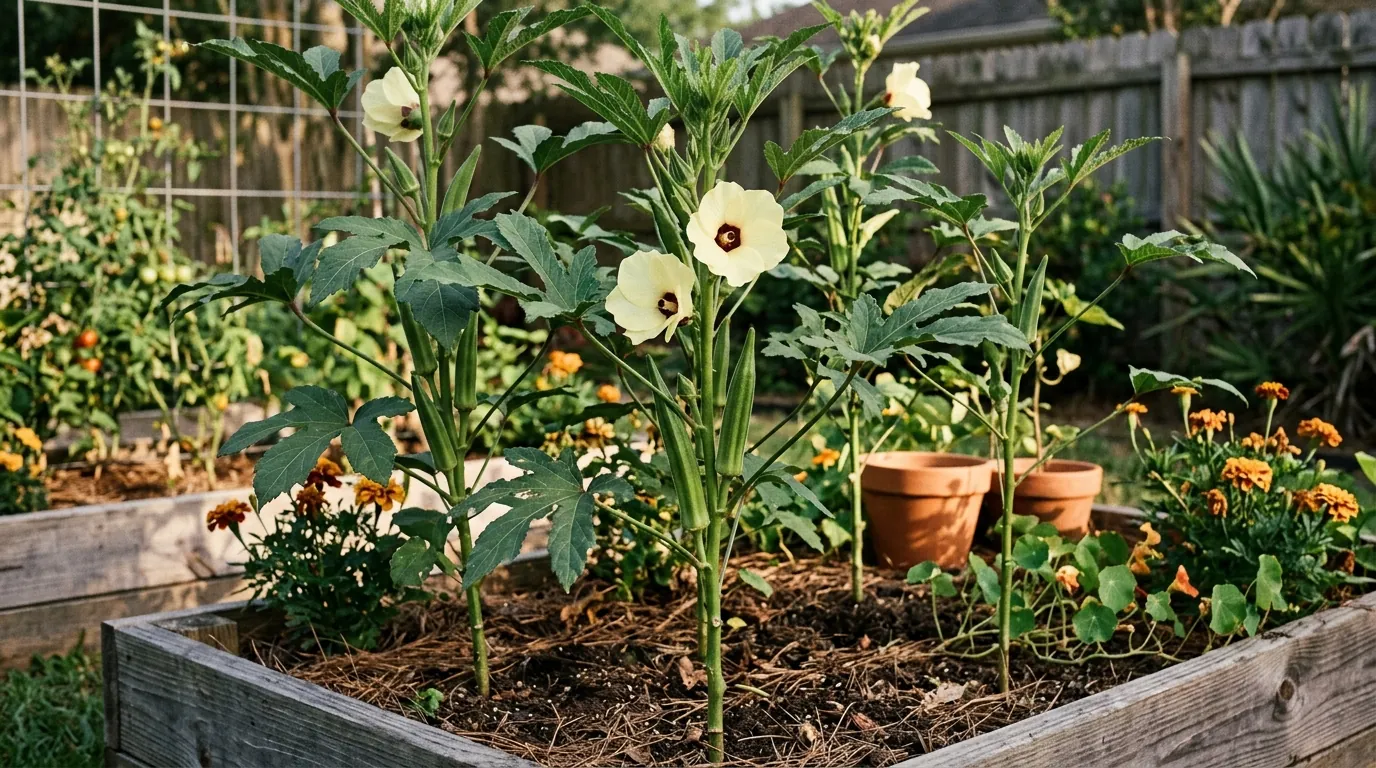
How to Grow Okra
Updated June 2026
When most of the garden gives up in the summer heat, okra is just getting started. It is the classic warm-season crop for the South.
What it looks like as it grows
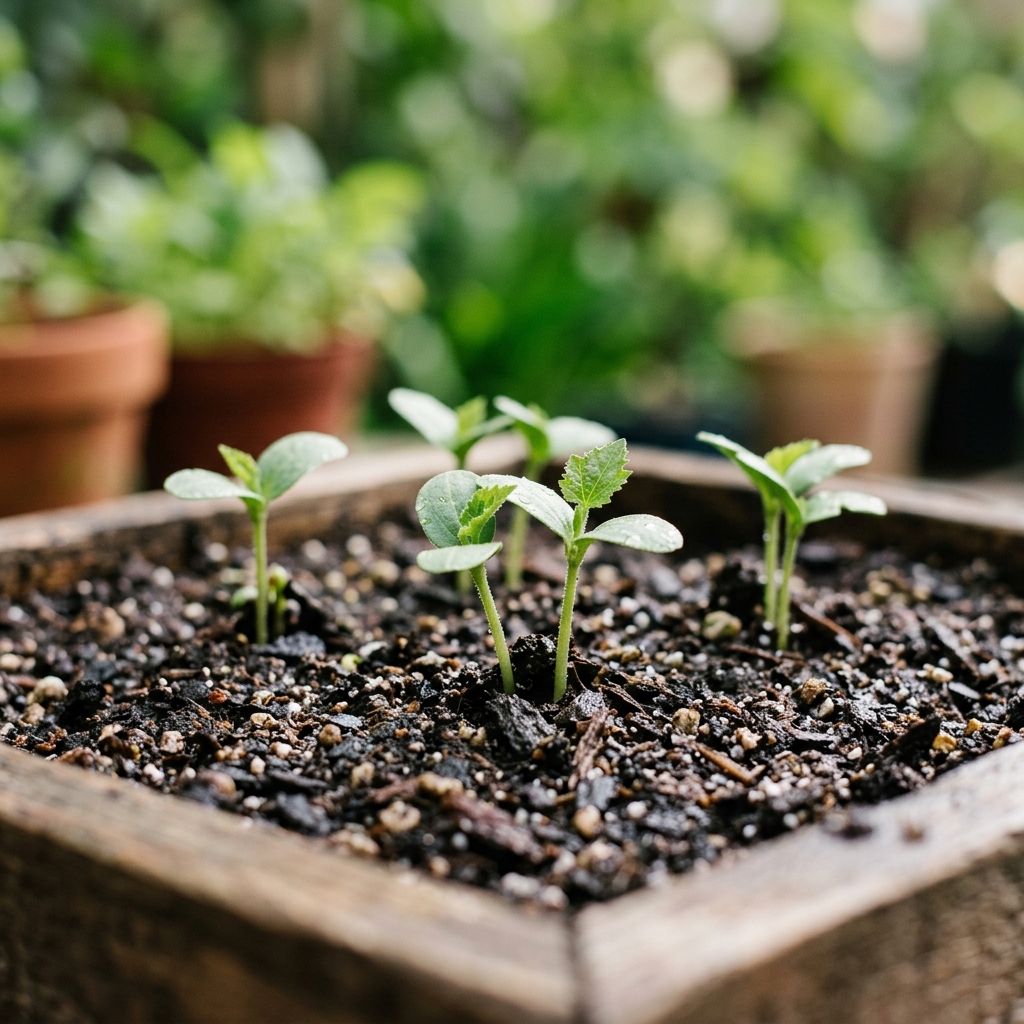
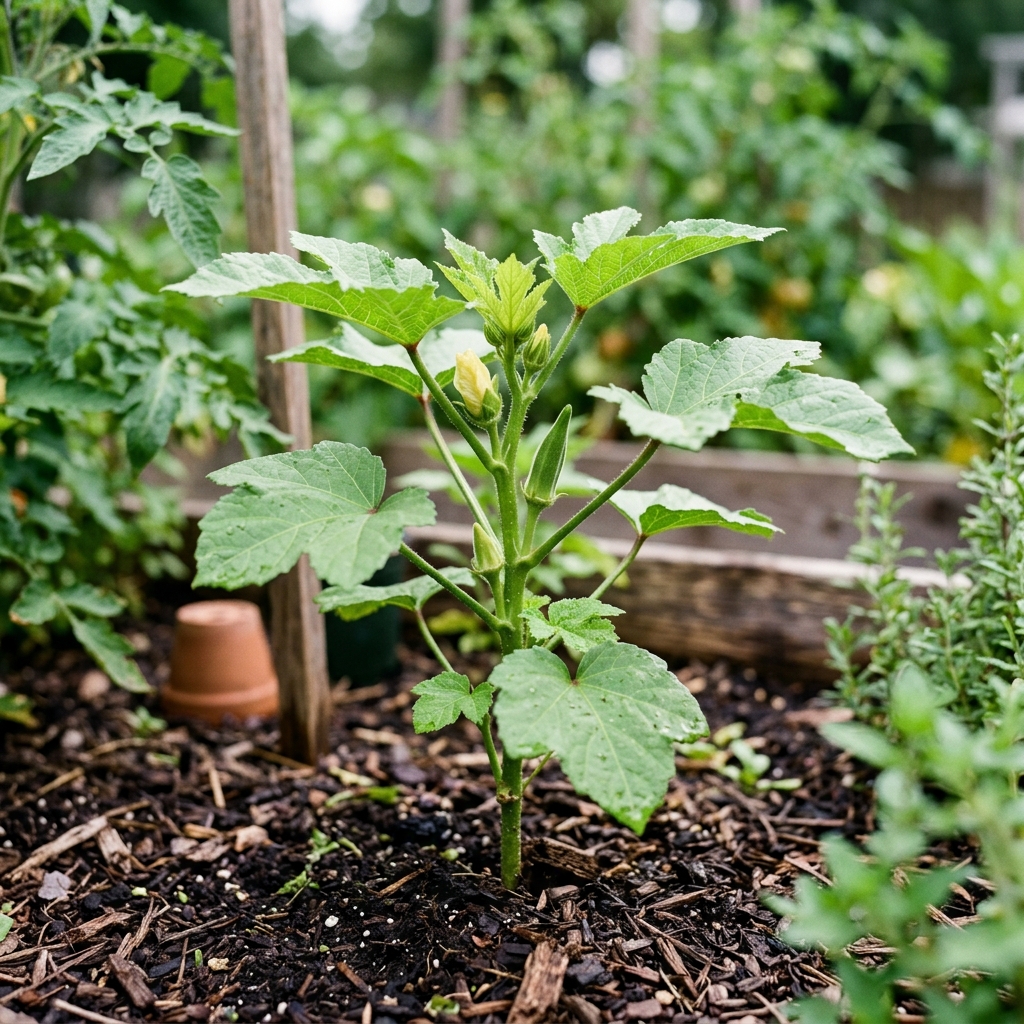
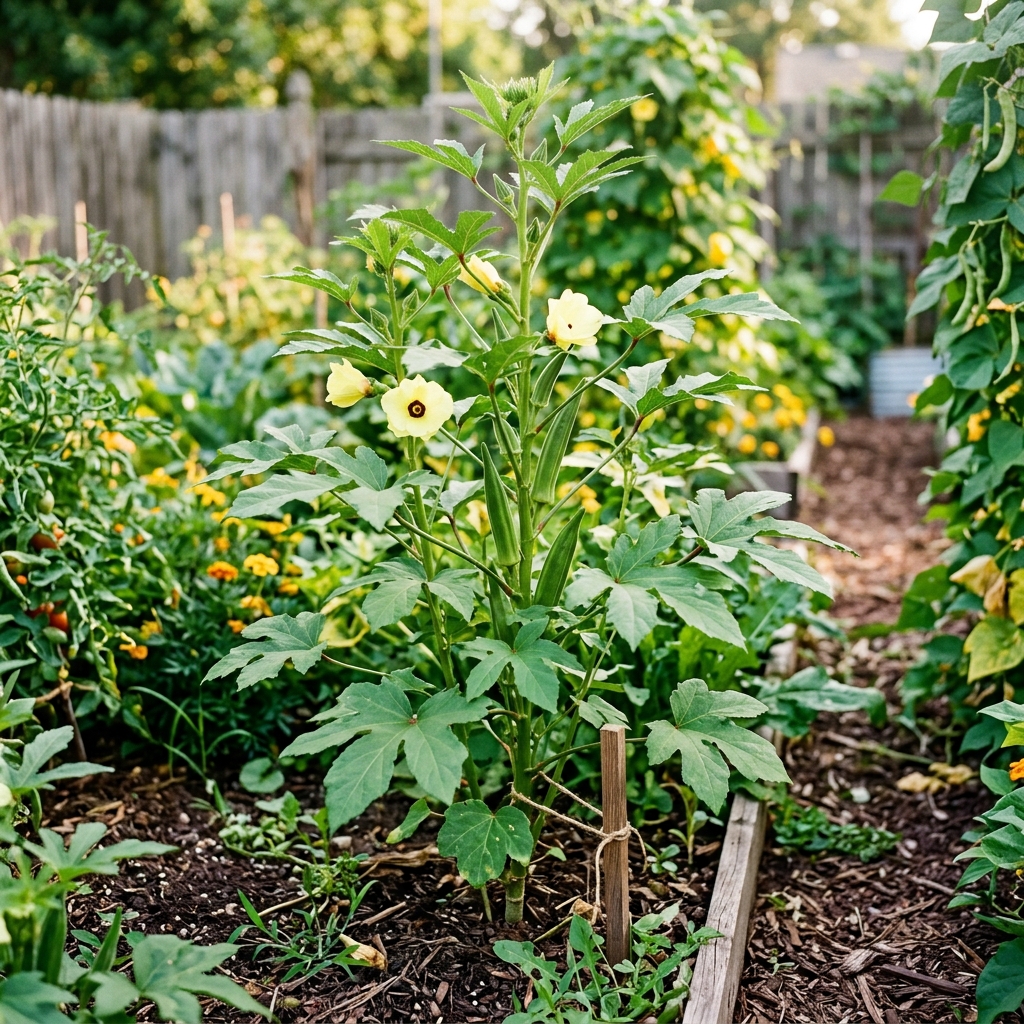
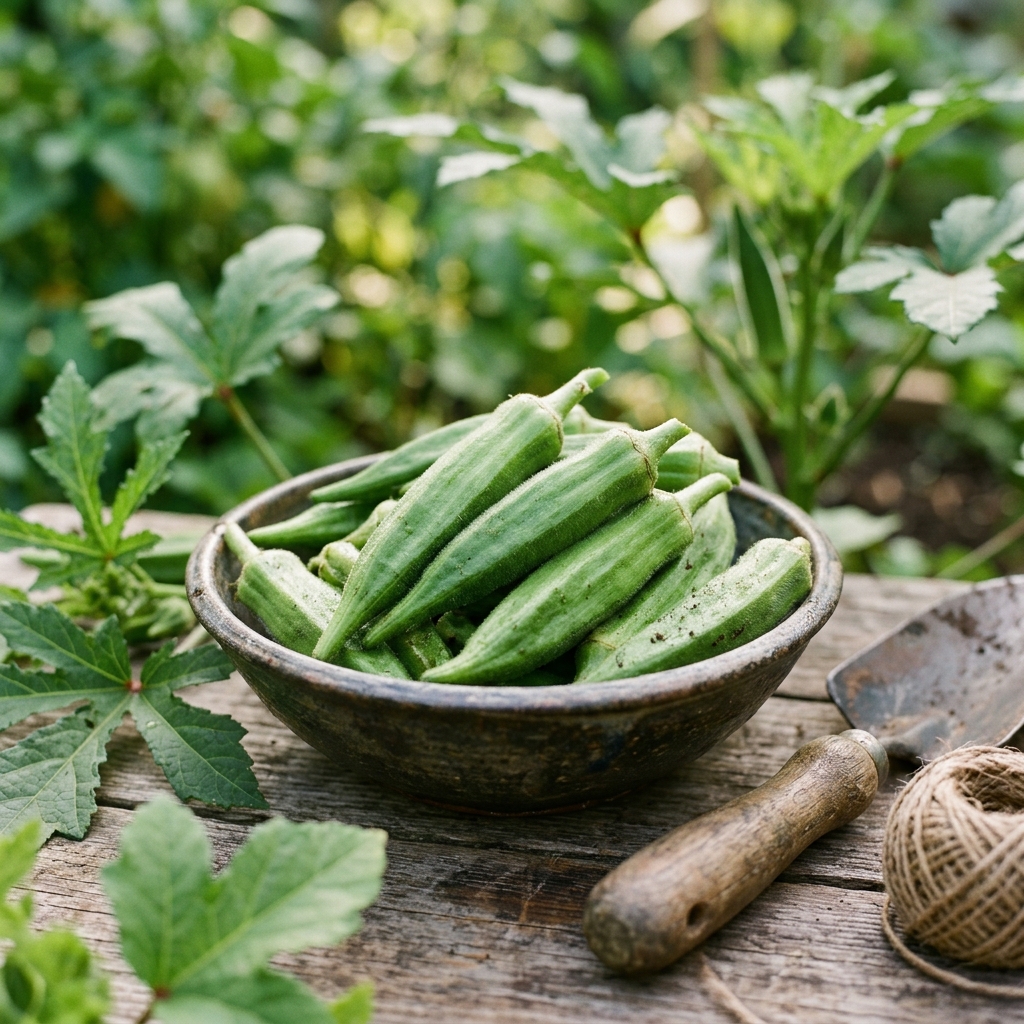
Okra is the answer to the hardest summer gardening question: what can I actually grow when it is too hot for everything else? A relative of hibiscus, it thrives in the heat and humidity that flatten most vegetables, and once it gets going it keeps producing for months. It is a staple across Florida, the Gulf South and the Deep South, and a rewarding gamble even for gardeners in cooler northern zones who give it the warmest spot they have.
🌱 Plant profile: Okra, with sowing times for your region, companion plants and common pests.
Okra climate suitability and sowing selector
Okra is all about warmth. Pick your region to see whether okra suits your climate, the right sowing window, and the method to use. The result also notes the USDA zone context that goes with your area.
When and how should I sow okra?
Position and soil
Give okra full sun, at least 6 to 8 hours a day, and the warmest part of the garden. It is not fussy about soil and will crop on sandy ground enriched with a little compost. It does best in a free-draining bed with a near-neutral pH, around 6.0 to 6.8. Work in some finished compost before planting to hold a little moisture and feed the plants through a long season.
Planting
- Sow direct. Okra resents root disturbance, so sow seed where it is to grow. Plant 1/2 to 1 inch deep once the soil is warm.
- Soak first. Soaking seed overnight, or nicking the hard coat, speeds germination, which can otherwise be slow and patchy in cooler soil.
- Cool-zone exception. In short-summer northern areas, start seed indoors 4 to 6 weeks before the last frost in deep cells or pots, and transplant carefully without breaking up the root ball.
Spacing
Thin or set plants 12 to 18 inches apart in rows about 3 feet apart. Okra grows tall, often 4 to 6 feet and sometimes more, so give it room and put it where it will not shade shorter crops. Compact varieties can go a little closer and suit containers.
Watering and feeding
Water well to get plants established. Once settled, okra is fairly drought tolerant, and in Florida and the Gulf South the summer rains often do the watering for you. Aim for steady moisture during flowering and pod set for the heaviest yields. Feed lightly: too much nitrogen gives lush leaves and fewer pods, so a balanced feed at planting and a side-dressing once cropping begins is plenty.
Pests and problems
Okra has few serious problems in hot climates. Watch for root-knot nematodes in sandy southern soils, along with stink bugs, aphids and the occasional corn earworm tunneling into pods. Rotate beds each year, keep plants healthy, and most issues stay minor. See the pest management guide for organic control options.
Harvest and storage
Pods are usually ready about 50 to 65 days from sowing and grow fast once they start. Pick them young at 3 to 4 inches, every one to two days, using scissors or shears. Left longer they turn woody and stringy, and the plant slows down. Frequent picking keeps it producing for months. Wear long sleeves, as the fine spines on most varieties can itch. Use pods within a few days, or slice and freeze them, or dry them for later.
Varieties for US gardens
Common questions
Why is my okra tough and stringy?
It was picked too late. Harvest small and often. A pod that snaps cleanly is tender; one that bends is already woody.
What soil temperature does okra need to germinate?
Aim for soil above 65 to 70 F. In cold soil the seed germinates slowly and may rot. Soaking the seed overnight helps it come up faster and more evenly.
Can I grow okra in the North?
Yes, but it is the limit of its range. Start seed indoors 4 to 6 weeks before your last frost, choose an early variety, and grow it in the warmest spot or a large black pot that heats the roots.
Should I direct sow or transplant okra?
Direct sow wherever the season is long enough, because okra dislikes root disturbance. Only start indoors where summers are too short, and transplant gently.
How often should I pick okra?
Every one to two days once it starts cropping. Frequent picking keeps pods tender and keeps the plant producing for months.
Why does my okra grow tall with few pods?
Usually too much nitrogen or not enough sun. Ease off high-nitrogen feed and make sure the plants get full sun for steady flowering and pod set.
Source: UF/IFAS Florida Vegetable Gardening Guide (SP 103), Okra; UF/IFAS Gardening Solutions.
See also: Okra in the plant library →
Related guides
See what to plant this month
Pick your region for a month-by-month calendar tuned to your climate.
Find your region →Plant profile
The okra profile has sowing times for your region, companion plants and common pests.