
How to Grow Rhubarb
Updated June 2026
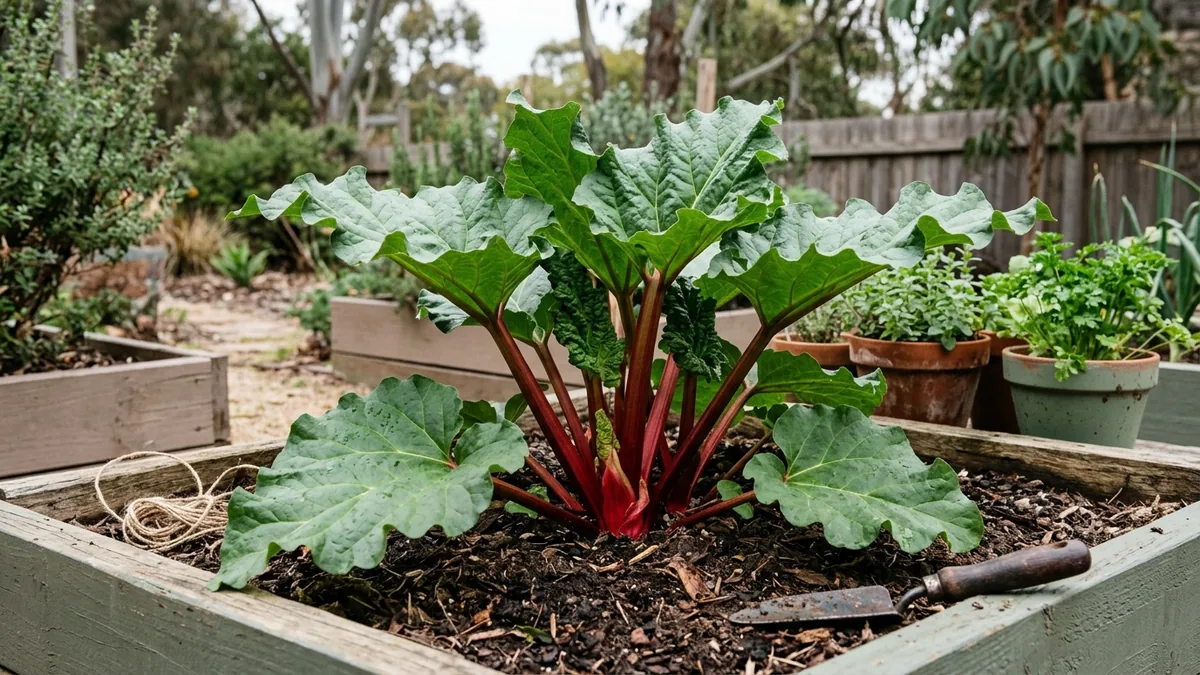
A tough, hungry perennial that delivers tart red stalks every spring once it settles in.
What it looks like as it grows
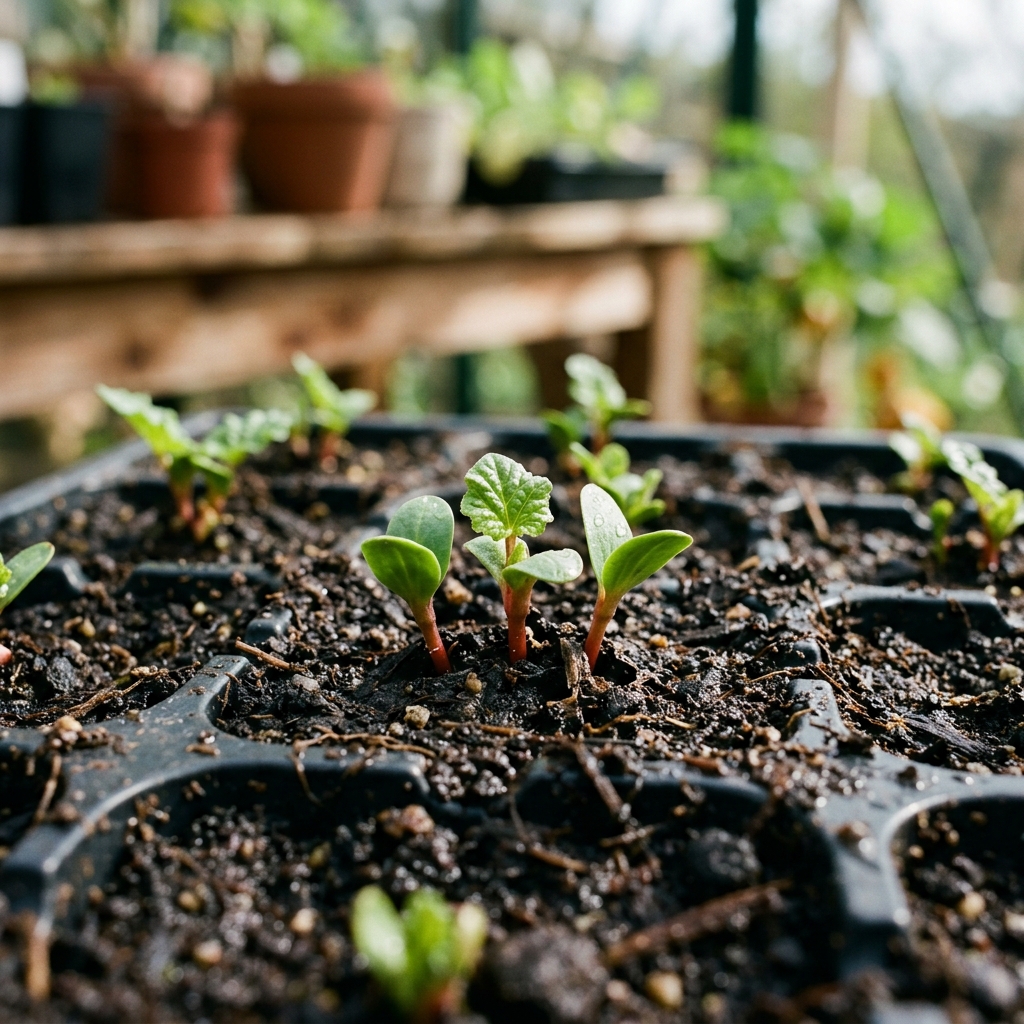
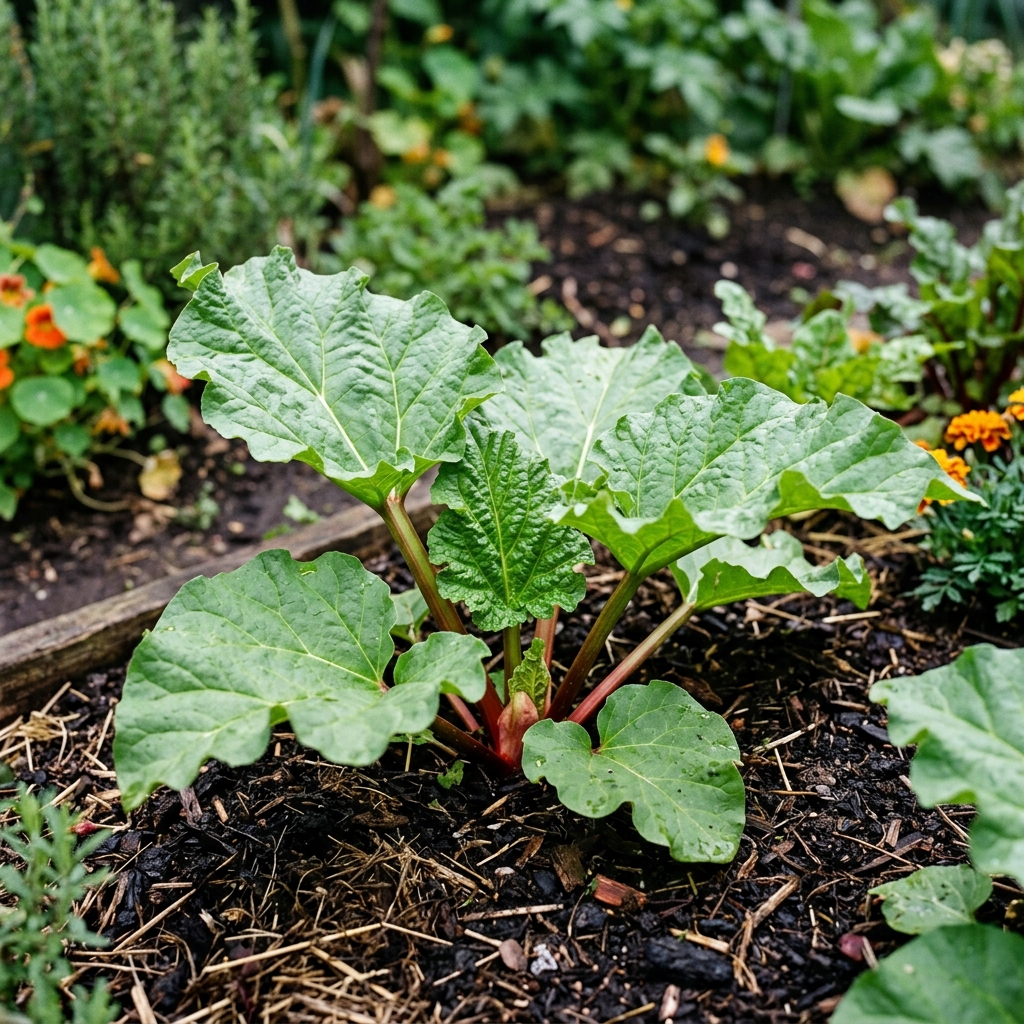
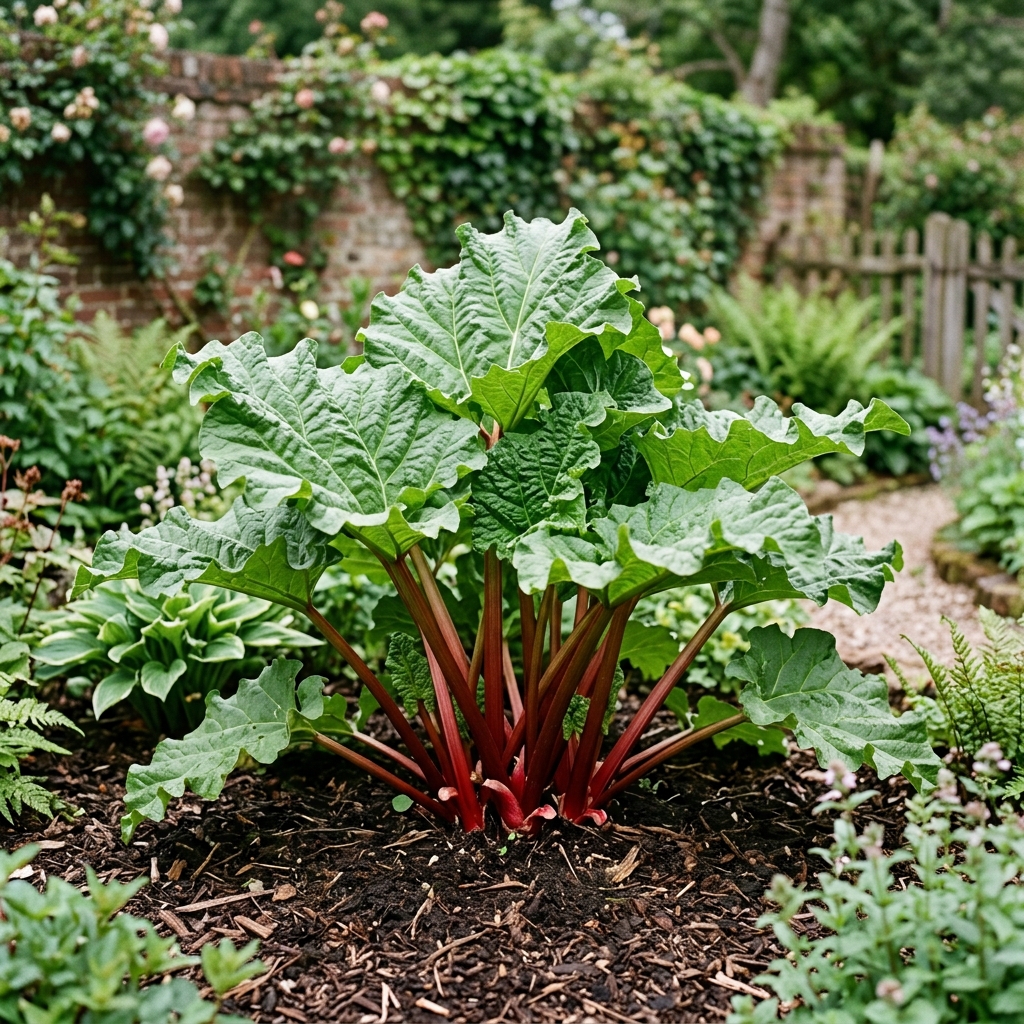
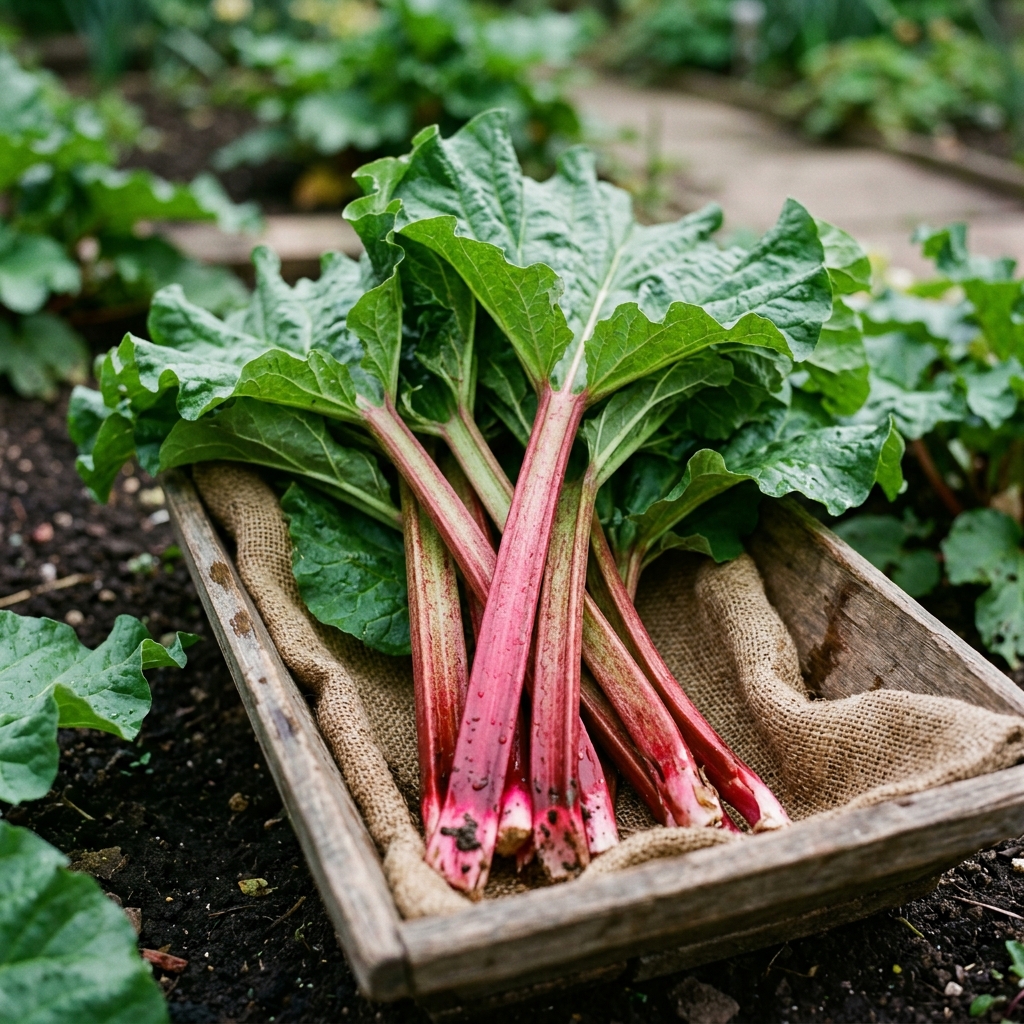
Rhubarb is one of the most forgiving perennials you can grow, provided you garden somewhere with a real winter. Plant a crown, wait out the first year while it builds a strong root, and from then on it returns every spring with armfuls of tart stalks for pies, crumbles, and stewing. A healthy clump can crop for a decade or more before it needs dividing.
There is one rule that matters more than any other, and it is a safety rule. You eat only the stalks. The large leaf blades are toxic and must never be eaten. Get that right, give the plant rich soil and a yearly feed, and rhubarb practically grows itself.
Is it ready to harvest? Care selector
Tell the selector how old your plant is and it will tell you how much to pull and how to care for it this season.
Position and soil
Rhubarb wants full sun, though in hot regions a little afternoon shade keeps it from wilting. Give it rich, well drained soil dug deep and loaded with compost or aged manure, because this is a heavy feeder that sits in one spot for years. Avoid waterlogged ground, which rots the crown. Pick a permanent home at the edge of a bed where the big leaves will not shade out smaller crops.
Planting crowns and divisions
Plant dormant crowns or divisions in early spring, or in fall in mild winter areas. Set the crown so the growing bud sits about 1 to 2 inches below the surface. In heavy or wet soil, plant a little shallower, with the bud just at soil level, so it does not sit in moisture and rot. Firm the soil, water in, and mulch around the crown without burying the bud. Space plants about 3 feet apart, because an established clump gets big.
Harvesting: pull, do not cut
Harvest rhubarb by pulling, not cutting. Grasp a stalk near the base, twist gently, and pull it away from the crown so it comes free cleanly. Pulling leaves no stub to rot and signals the plant to push up new growth. Always remove and discard the leaf blade as soon as you pick. Take the thickest stalks and leave the thin ones to keep working.
Never strip a plant bare. Leaving a good cap of leaves lets the crown keep feeding itself. The selector above sets the right limits for your plant's age.
Watering and feeding
Rhubarb is hungry. Spread a thick layer of compost or aged manure around the crown in late winter or early spring, keeping it clear of the central bud, then mulch to hold moisture. Water through dry spells, especially in the heat of summer, because a stressed plant produces thin, woody stalks. A well fed crown rewards you with thick, tender, brightly colored petioles.
Dividing established clumps
Every four to six years, divide the clump while it is dormant. Lift the whole crown, then split it with a spade into pieces that each carry at least one strong bud and a chunk of root. Replant the best pieces in refreshed soil and compost the tired center. Dividing keeps the plant vigorous and is the simplest way to make more rhubarb for free.
Forcing for early, tender stalks
For an early treat, force a crown in late winter. Cover a dormant plant with an upturned bucket or large pot to block out all light. Deprived of light, the crown pushes up long, pale pink, very tender and sweet stalks several weeks before the open garden. Forcing is demanding, so let a forced crown rest and recover for a season afterward rather than forcing the same plant year after year.
Pests and problems
Rhubarb has few serious enemies. Crown rot from wet soil is the main risk, so prioritize drainage and shallow planting in heavy ground. Slugs may nibble emerging stalks in spring. If a plant runs to flower, snap off the tall seed stalk so the crown puts its energy back into stalks. Thin, weak stalks almost always mean a hungry, crowded, or over harvested plant; feed it and rest it.
Best rhubarb varieties for US gardens
| Variety | Stalk | Why grow it |
|---|---|---|
| Victoria | Green to pink | Vigorous, productive, and widely available. The classic all-rounder and easy from seed or crowns. |
| Canada Red | Deep red | Sweet and tender, holds its red color well through the season. |
| Crimson Red / Crimson Cherry | Bright red | Bright, eye-catching red stalks and a popular choice for flavor and color. |
| MacDonald | Tender red | Tender stalks with good disease resistance, a reliable garden performer. |
| Glaskin's Perpetual | Green to red | Lower in oxalic acid and gives a longer harvest season than most. |
US regions and seasons
Rhubarb grows best in USDA zones 3 to 8. It needs winter temperatures below about 40 F to break dormancy, along with cool summers, which is why it thrives across the northern US and struggles in the heat. In the hot South it is often short lived or grown as a cool-season annual rather than a long term perennial. Plant crowns in early spring, or in fall in mild areas, and harvest from spring into early summer.
Track your rhubarb in the app
Log your planting date, set a year-one no-harvest reminder, and get feeding and dividing prompts tuned to your region with Planting Season.
Open the App →Frequently asked questions
- Are rhubarb leaves poisonous?
- Yes. The large leaf blades are toxic and must never be eaten, because they contain oxalic acid and other compounds. Eat only the stalks and discard the leaves, which can safely go on the compost pile.
- Can I harvest rhubarb in the first year?
- No. Take no harvest in the planting year so the crown builds a strong root. From year two take a light pick, and from year three harvest freely in season.
- Should I cut or pull rhubarb stalks?
- Pull, do not cut. Grasp the stalk near the base, twist gently, and pull it away from the crown. This removes the whole stalk cleanly and leaves no stub to rot.
- How do I feed rhubarb?
- Spread compost or aged manure around the crown in late winter or early spring, mulch to hold moisture, and water through dry spells. A well fed crown produces thicker, more abundant stalks.
- How often should I divide rhubarb?
- Divide an established clump every four to six years while dormant. Lift it, split into pieces that each have at least one strong bud, and replant. It keeps the plant vigorous and makes new plants.
- What is forcing and how do I do it?
- Forcing gives early, tender, pale stalks. In late winter, cover a dormant crown with a bucket or pot to exclude light. The crown pushes up long, sweet, blanched stalks ahead of the open garden. Rest the crown afterward.
- Can I grow rhubarb in the hot South?
- Rhubarb needs a real winter, with temperatures below about 40 F to break dormancy, and cool summers. In the hot South it is often short lived or grown as a cool-season annual. Cooler northern zones suit it best.
- Why are my rhubarb stalks thin?
- Thin stalks usually mean the plant is young, hungry, crowded, or over harvested. Feed it well, stop pulling for the rest of the season, and divide an old, congested clump in dormancy.
Related guides
See also: Rhubarb in the Plant Library