
Indian Runner Ducks: The Upright Egg Layers That Eat Slugs
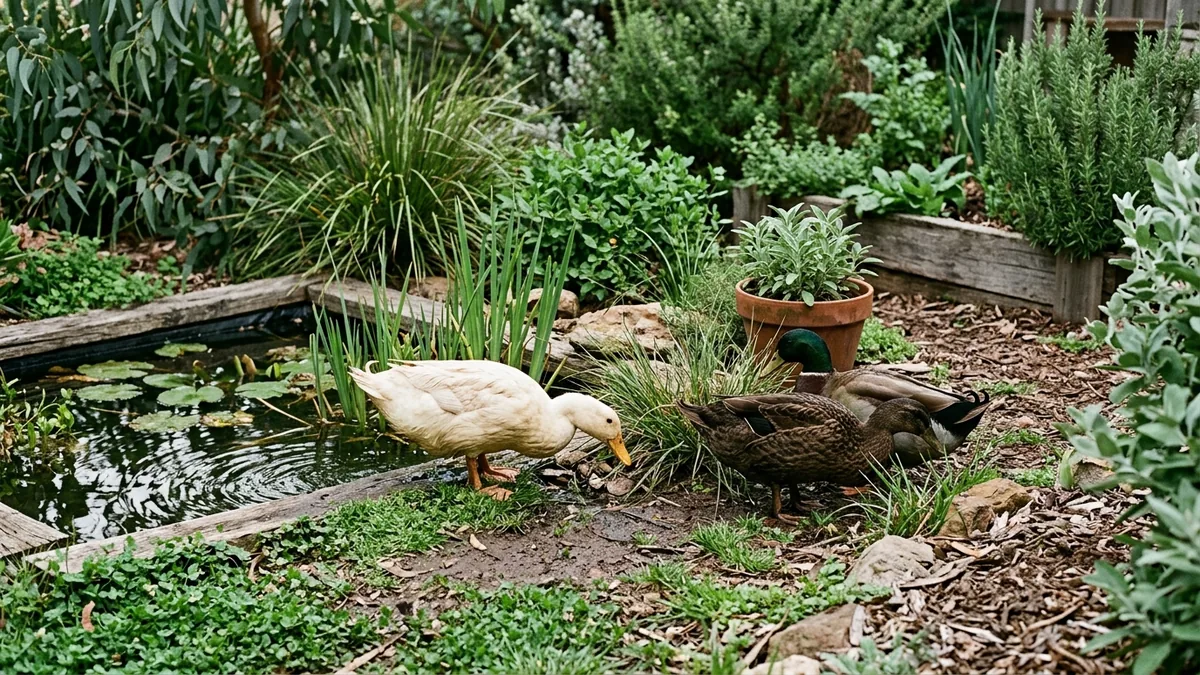
Indian Runners stand upright like bowling pins and run rather than waddle. The Livestock Conservancy describes good strains as laying over 200 eggs a year, and eXtension notes that some utility strains have produced more than 300 in a year. They are light, active foragers and one of the best ducks for gardens with slugs, because they cover a lot of ground and do not scratch up beds the way chickens do.
Fact panel
- Class
- Light
- Adult weight
- drakes about 4.5 lb, ducks about 4 lb
- Eggs a year
- 200 or more eggs a year in good strains
- Egg color
- White to blue-green
- Noise
- Females quack, drakes only rasp
- Flight
- Cannot fly
- Temperament
- Active and easily startled
- Mothering
- Poor, rarely nests
- Best for
- Eggs and slug patrol
Runners across US climates
Runners handle heat and cold well because they are light and active. In very hot regions give them shade and a deep dish of cool water, and in snowy ones a dry shelter and extra bedding. Their long legs make them a good choice for wet grass, since their feet stay cleaner than a heavy Pekin's.
Runner ducklings are sold by US hatcheries and some feed stores. Choose hatchery lines sold for egg production if you want eggs, and show lines for the tall upright posture.
Care notes
- Provide a waterfowl ration with niacin, and a secure fence. They cannot fly but are fast, and a startled flock can stampede.
- Introduce them to the house early. Runners rarely nest, and they drop eggs wherever they are, so check the yard in the morning.
- Let them out after they have laid, since most eggs are dropped before mid-morning.
How the Indian Runner compares
| Breed | Adult weight | Eggs | Noise | Best for |
|---|---|---|---|---|
| Call duck | about 1 to 1.5 lb | A modest number of small eggs, mostly in spring and summer | Very loud, especially the females | Pets and exhibition |
| Pekin duck | about 8 to 9 lb | About 150 to 200 large eggs in a good year | Loud, females quack heavily | Eggs, meat and pets |
| Muscovy duck | drakes 10 to 12 lb, ducks 5 to 6 lb | Seasonal laying in clutches, fewer eggs than the best layers | Quiet, hisses and low trills | Pest control, meat and broody mothers |
| Indian Runner duck | drakes about 4.5 lb, ducks about 4 lb | 200 or more eggs a year in good strains | Females quack, drakes only rasp | Eggs and slug patrol |
| Cayuga duck | drakes about 8 lb, ducks about 7 lb | About 100 to 150 large eggs a year | Moderate, females quack | Eggs, meat and ornamental |
| Rouen duck | drakes about 10 lb, ducks about 8 lb for the traditional type | About 30 to 125 eggs a year, fewer than the light layers | Moderate, females quack | Meat, ornamental and some eggs |
Common questions
How many eggs do Indian Runner ducks lay?
The Livestock Conservancy says good strains lay over 200 eggs a year, and some utility strains have produced over 300.
Can Indian Runner ducks fly?
No, eXtension says they cannot fly, but they are quick on foot.
Are Runners noisy?
Only the females quack. The drakes make a hoarse whisper.
Are Runners good for slugs?
Yes. They forage widely and eat slugs, snails and insects without digging up the beds.
- The Livestock Conservancy, Quick Reference Guide to Heritage Ducks, for weights, egg numbers and egg colors of the Cayuga, Rouen and Indian Runner.
- eXtension, Selecting a duck breed for small or backyard poultry flocks, for Pekin, Muscovy, Rouen and Indian Runner facts on growth, weight, flight and noise.
- Mississippi State University Extension, Care and Incubation of Hatching Eggs (Dr Tom W. Smith), for incubation periods.
- Metzer Farms (a US hatchery) lists Call, Cayuga and Rouen ducklings for sale.
Weights and egg numbers are typical ranges and vary by strain, feed and daylight.
Keep reading
All duck breedsKeeping ducksWhat ducks can eatDuck keeping guideIncubating eggs