
How to Grow Feijoa (Pineapple Guava)
Updated June 2026
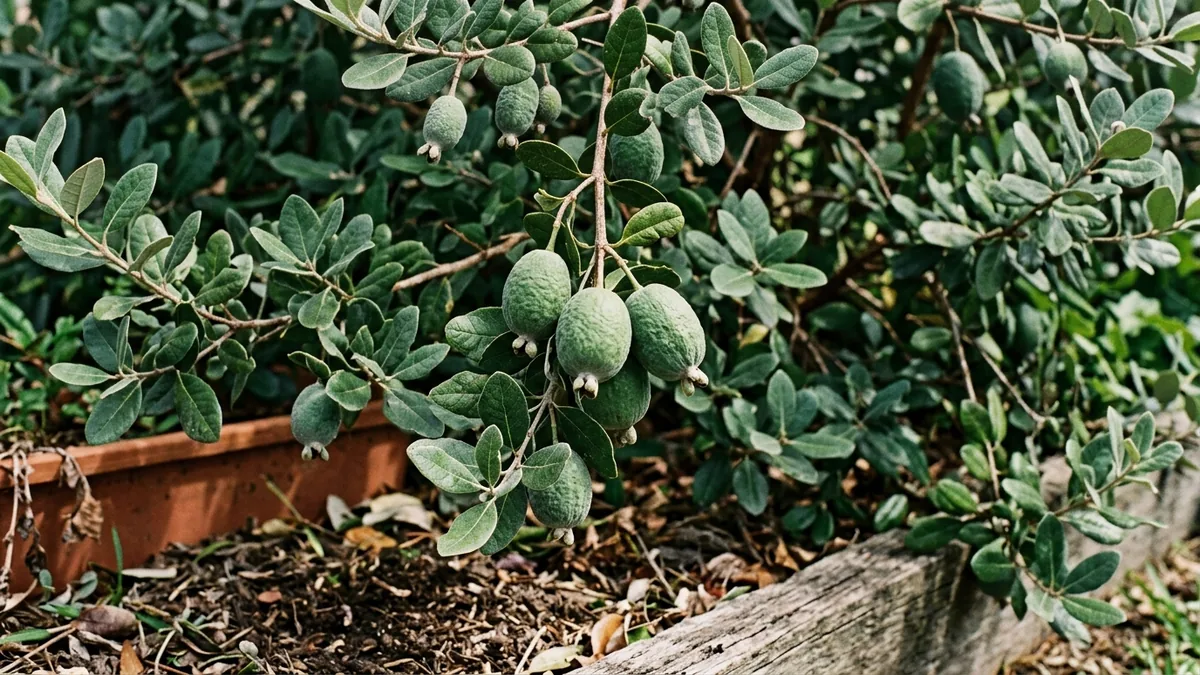
A tough, evergreen fruiting shrub that doubles as a hedge, with a climate selector and clear variety and pollination advice
What it looks like as it grows
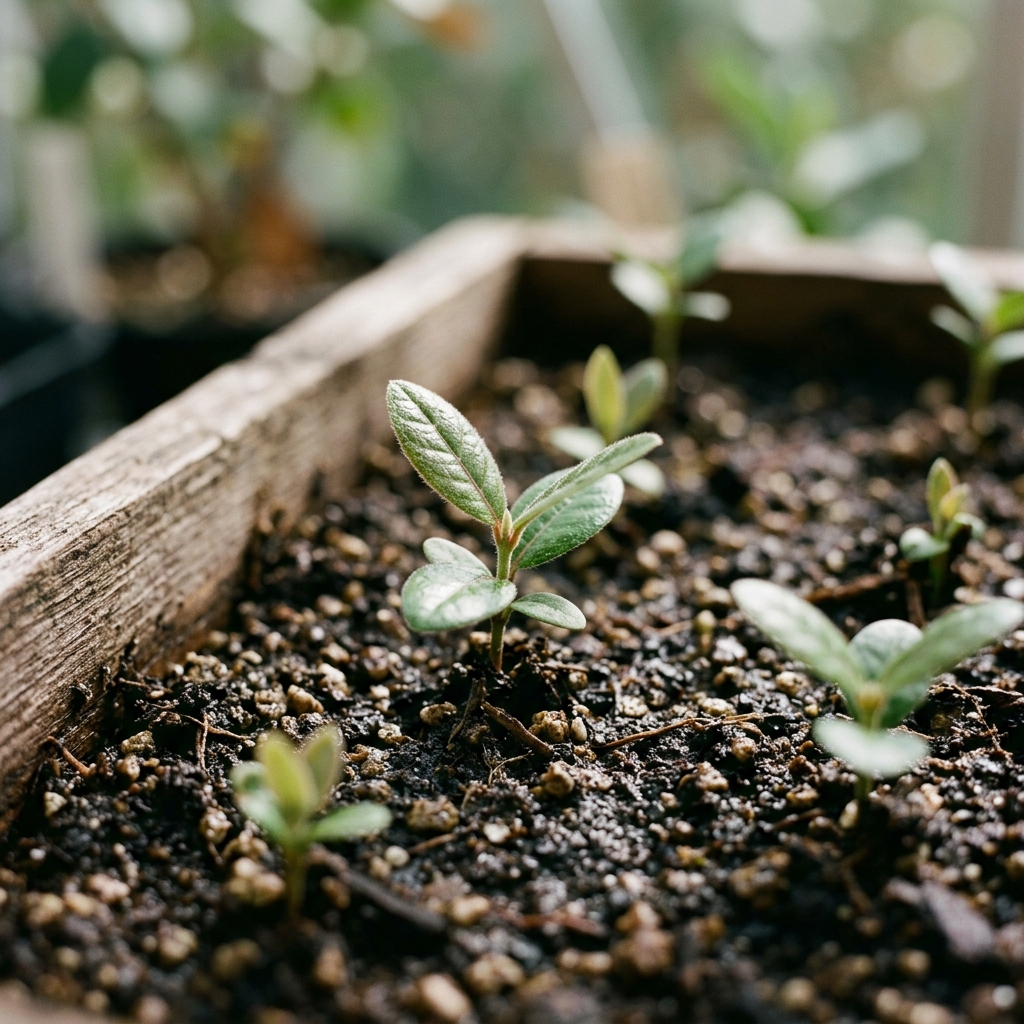
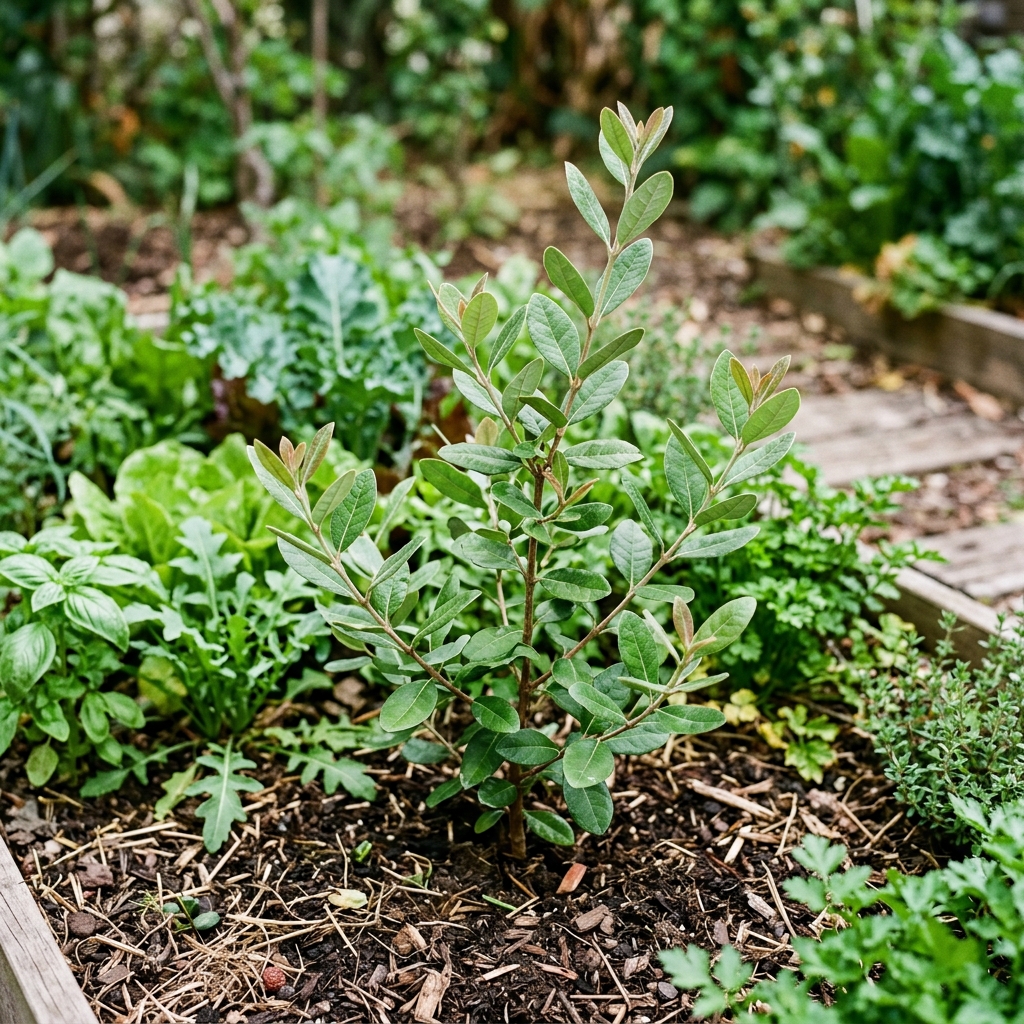
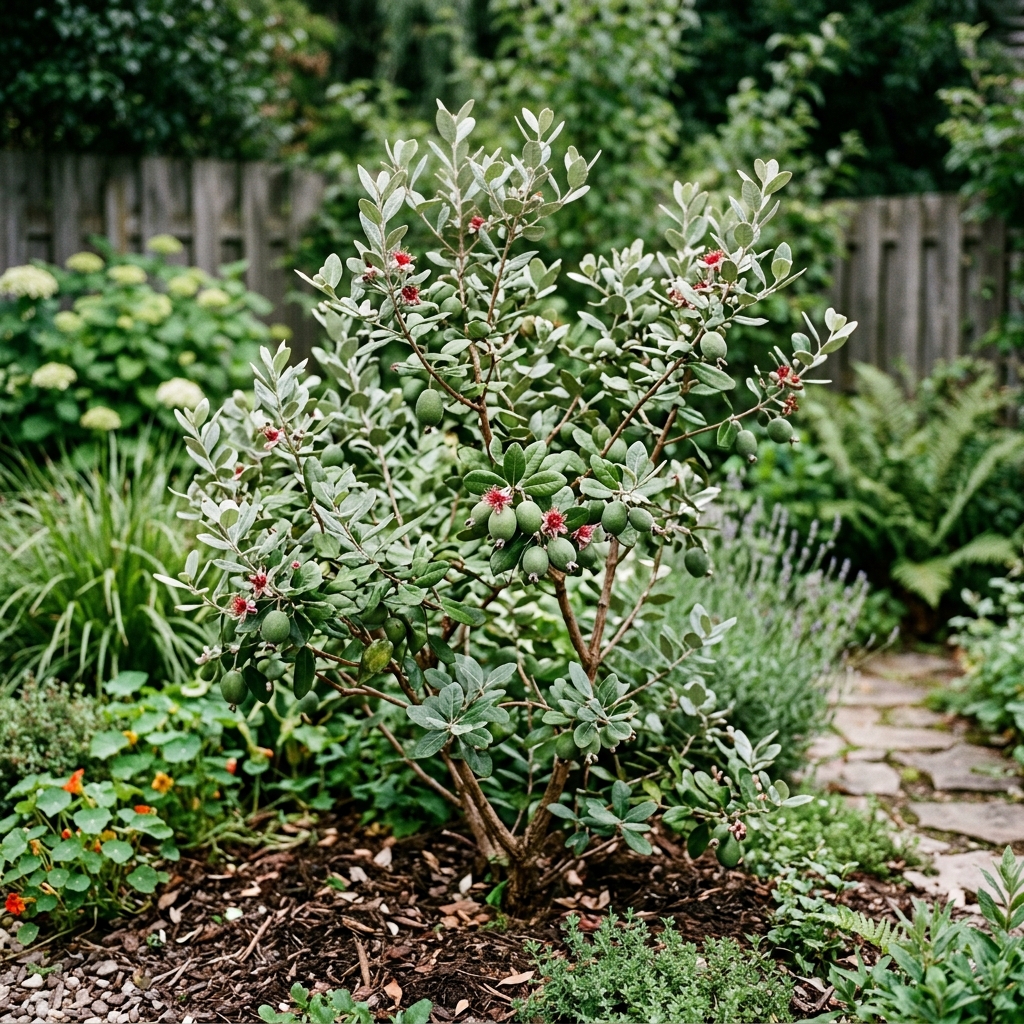
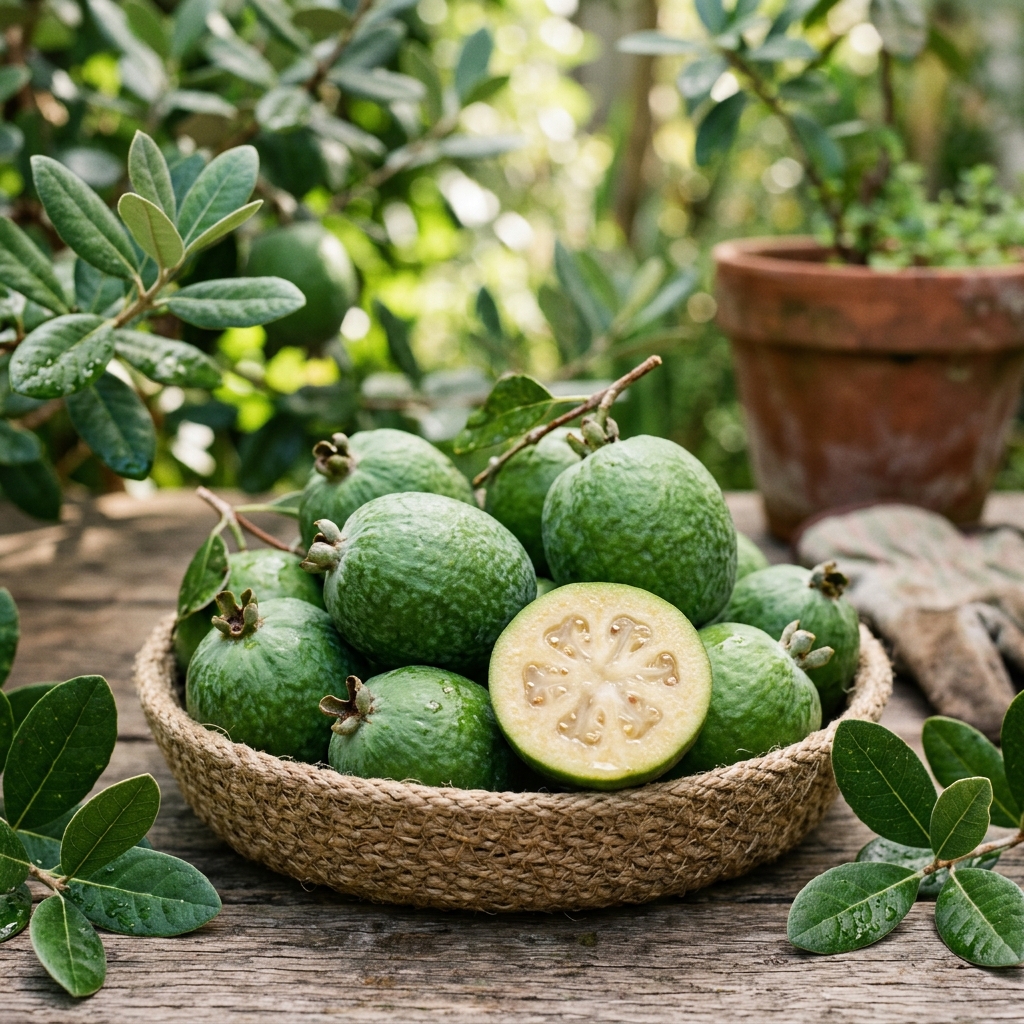
Feijoa, usually sold in the US as pineapple guava and known botanically as Acca sellowiana, is one of the most forgiving fruiting plants you can grow in a mild-climate garden. It is a dense evergreen shrub with gray-green leaves, silver undersides and showy red-and-white flowers in late spring, and it crops in fall with fragrant green fruit that tastes like a blend of pineapple, guava and pear. Pineapple guava suits USDA zones 8 to 11 and grows especially well in the Pacific Northwest, California, the South and the Gulf.
What makes pineapple guava so worth a spot is its versatility. It is hardy to about 12 to 15F (around minus 9 to minus 11C) once established, copes with wind and coastal salt, grows happily in a large pot, and clips into a productive hedge. This guide gives you a climate suitability selector to check your area, then walks through pollination, planting, feeding, pruning, hedging, harvest and the named varieties worth seeking out.
Is feijoa right for your climate?
Pineapple guava is at its best in cool maritime and Mediterranean climates, which is why it crops so reliably in the Pacific Northwest and California. It grows well in the mild South and Gulf too, and it even fruits in pots on a patio. The one place it struggles is the cold-winter interior, where hard freezes damage it. In very mild, frost-free zones it grows but can crop lighter, because it likes a little winter cool to flower well. Pick your climate below to see how well feijoa suits you and whether you need a second variety for pollination.
Not sure which you are? Pick your region on the what to plant now page to match your area to a climate band.
Do you need two plants? Pollination explained
This is the question that trips up most first-time feijoa growers. Pineapple guava is mostly pollinated by birds in its native South America, where they eat the sweet petals and carry pollen between flowers. In a backyard, that means fruit set can be patchy unless you give the plant a hand.
The simple rule: some varieties are self-fertile, but almost all feijoas fruit better with a second variety nearby. Self-fertile varieties such as Unique and, to a good degree, Apollo will set a crop on their own, which makes them the right pick if you only have room for one plant. Varieties like Triumph, Mammoth and Den's Choice reward you with much bigger, more reliable crops when a different variety is planted within a few yards for cross-pollination.
Planting feijoa
Plant pineapple guava in fall or spring, when the soil is warm but not baking. Choose a full-sun position for the best fruit, though feijoa tolerates part shade at the cost of a lighter crop. It is not fussy about soil as long as drainage is reasonable, and it copes with a range from sandy to clay-loam. It prefers a slightly acidic to neutral soil.
- Spacing: a free-grown bush wants 6 to 10 feet of room. For a hedge, plant 3 to 5 feet apart.
- Hole: dig twice as wide as the pot, tease out circling roots, and plant at the same depth it sat in the pot.
- Water in: firm the soil, water deeply, and mulch with about 2 inches of organic mulch kept clear of the trunk.
- First summer: water regularly through the first warm season while the roots establish.
Growing feijoa in a pot
Pineapple guava is one of the better fruit trees for containers. Use a pot at least 16 to 20 inches wide with free-draining quality potting mix, and choose a self-fertile variety like Unique if it will be your only plant. Keep it watered through flowering and fruiting, feed it through the growing season, move it to shelter in a hard freeze, and pot up a size every couple of years. A potted feijoa stays naturally compact and takes light pruning well.
Feeding and watering
Feijoa is not a heavy feeder, but a steady supply keeps it cropping. Feed in early spring and again after fruiting with a balanced organic fertilizer or a citrus-style blend, and top up the mulch each year. Liquid seaweed or fish emulsion through the growing season suits potted plants well. Keep water up during flowering and fruiting, as dry stress at this time causes flowers and small fruit to drop. An established plant in the ground is reasonably drought tolerant once mature, but consistent moisture means a better crop.
Pruning and hedging
Feijoa fruits on new season's growth, so a light prune just after harvest, or in late winter before the spring flush, keeps the plant productive and tidy. Thin out crowded inner branches to let light and birds in, and shorten leggy growth to encourage bushiness.
Because it is dense, evergreen, wind-firm and salt-tolerant, pineapple guava makes a first-class edible hedge or windbreak. The trade-off is fruit: hard, frequent clipping removes flowering wood, so a tightly sheared hedge crops far less than a free-grown bush. If you want both a hedge and a good harvest, clip lightly and accept a slightly looser shape, or grow a hedge for screening and keep one or two plants free-grown for fruit.
Harvesting feijoa
Here is the trick that surprises new growers: feijoa tells you it is ripe by falling off the plant. Ripe fruit drops naturally, usually over a few weeks in fall. The easiest harvest is to collect windfalls every day, or lay a tarp or net under the plant and give it a gentle shake. Fruit picked while still firmly attached will soften off the plant but never reaches the same perfume and sweetness as tree-ripened, dropped fruit.
Ripe pineapple guava is fragrant and gives slightly to a squeeze. To eat, cut in half and scoop the jelly-like center with a spoon. The fruit does not store long, so eat within a few days, refrigerate for up to a week or two, or scoop and freeze the pulp for smoothies, baking and chutney. A mature plant can produce a generous crop, so it pays to have a plan for a glut.
Pests and problems
Feijoa is refreshingly trouble-free and otherwise very pest free. The main issues to watch are:
- Birds: they love the ripe fruit, so netting helps if you are competing for the crop.
- Poor fruit set: usually a pollination problem. Add a second variety, encourage birds, or hand-pollinate.
- Scale and mealybug: occasional, treat with horticultural oil if they build up.
- Too little chill: in very mild, frost-free zones cropping can be light because the plant wants a touch of winter cool to flower well.
Feijoa varieties for US gardens
Always buy a grafted, named variety. Seedlings are cheaper but slow to fruit and unpredictable in quality. These are the standout cultivars to look for, all sold in the US.
| Variety | Pollination | Fruit and notes |
|---|---|---|
| Unique | Self-fertile | The classic choice for a single plant. Reliable, early cropping, medium smooth fruit with good flavor. |
| Apollo | Partly self-fertile | Large, sweet, smooth-skinned fruit. Crops well alone but better with a partner. Spreading habit, good all-rounder. |
| Triumph | Needs a partner | Firm, gritty-fleshed fruit that stores and travels better than most. Heavy cropper with cross-pollination. |
| Mammoth | Needs a partner | Very large fruit, slightly wrinkled skin, excellent flavor. A favorite where size matters. |
| Den's Choice | Needs a partner | Medium to large, smooth, full-flavored fruit. Reliable and productive when cross-pollinated. |
A proven pairing for a strong crop is a self-fertile variety such as Unique or Apollo planted alongside Triumph or Mammoth, which gives you cross-pollination plus a spread of harvest size and timing.
When does feijoa crop in the US?
Feijoa flowers in late spring and the fruit ripens and drops in fall, broadly October to December depending on your region, with cooler areas often running later. Exact timing shifts with your climate, and in very mild gardens the season can be earlier and shorter. For dates tuned to your spot, pick your region on the what to plant now page or open the Planting Season app.
Plan your fruit trees with the chill and variety tools in the app
The Planting Season app includes a Fruit Tree Varieties and chill-hours module that helps you match feijoa, stone fruit, apples and more to your exact climate, track flowering and harvest, and plan pollination partners. Log your plants and never miss the drop.
Open the App →Frequently Asked Questions
Do I need two pineapple guava plants to get fruit?
Not always. Some named varieties such as Unique and Apollo are partly to fully self-fertile and will set a crop on their own. Many others fruit far better, with bigger and more reliable crops, when a second variety is planted nearby for cross-pollination. If you have room, plant two different varieties. If you only have space for one, choose a self-fertile variety like Unique.
How long until a pineapple guava fruits?
A grafted, named feijoa usually begins fruiting two to three years after planting. Seedling plants are slower and far less predictable in fruit quality, so buy a grafted named variety if you want good fruit sooner. Plants reach full cropping at around four to five years.
How do I know when a pineapple guava is ripe?
Feijoa tells you it is ripe by dropping to the ground. Ripe fruit falls naturally, so the easiest harvest is to gather windfalls daily, or lay a tarp or net under the plant and shake it gently. Fruit picked early will soften off the plant but never reaches the same perfume and sweetness as tree-ripened, dropped fruit. Eat soft fruit within a few days or refrigerate it.
Can feijoa handle frost?
Yes, an established pineapple guava is hardy and tolerates light to moderate frost, down to around 12 to 15F (about minus 9 to minus 11C) once mature. It suits USDA zones 8 to 11 and grows well in the Pacific Northwest, California, the South and the Gulf. Young plants in their first winter are more tender and benefit from protection. Hard freezes below its range will damage it, so in colder zones grow it against a warm wall or in a container you can move to shelter.
Can I grow feijoa in a pot?
Yes. Feijoa grows well in a large pot, at least 16 to 20 inches wide, in free-draining potting mix. It stays naturally compact, takes pruning well, and is a good choice for patios and balconies. Keep it watered through fruiting, feed it through the growing season, move it to shelter in hard freezes, and choose a self-fertile variety like Unique if you only have room for one plant.
Is pineapple guava a good hedge?
Pineapple guava makes an excellent edible hedge or windbreak. It is dense, evergreen, has attractive gray-green foliage with silver undersides, tolerates wind and salt-laden coastal air, and clips well. Plant feijoas about 3 to 5 feet apart for a hedge. The trade-off is that hard hedging removes some flowering wood, so a clipped hedge usually fruits less than a free-grown plant.
Are feijoa flowers edible?
Yes. The fleshy petals of feijoa flowers are sweet and edible, with a flavor a little like marshmallow or cotton candy. Birds eat them in the wild and help pollinate the flower in the process. You can pick a few petals to eat without harming fruit set, as the central flower parts that form fruit are left untouched.
Why is my pineapple guava not fruiting?
The most common reasons are a lack of a pollinating partner, too little sun, heavy hedging that removes flowering wood, a young plant that simply is not old enough yet, or too little winter cool in a very mild zone. Feijoa is pollinated mostly by birds in its native range, so in some gardens hand pollination or a second variety lifts the crop. Give it full sun, plant a second variety if you can, and ease off hard pruning.
See also: Low-Chill Fruit Guide, Unusual Fruit to Grow and How to Grow Figs