
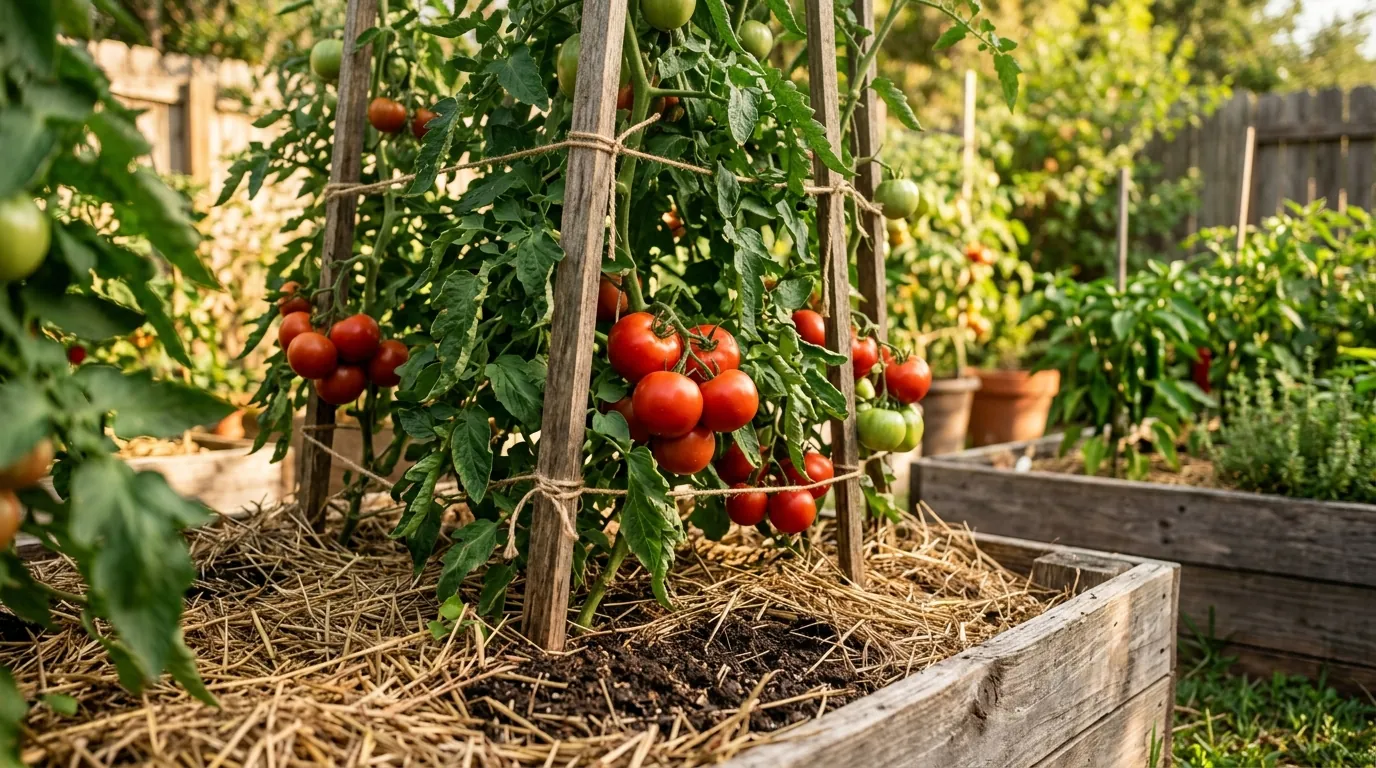
When to Plant Tomatoes: How to Grow Tomatoes in Every US Region
Updated October 2026
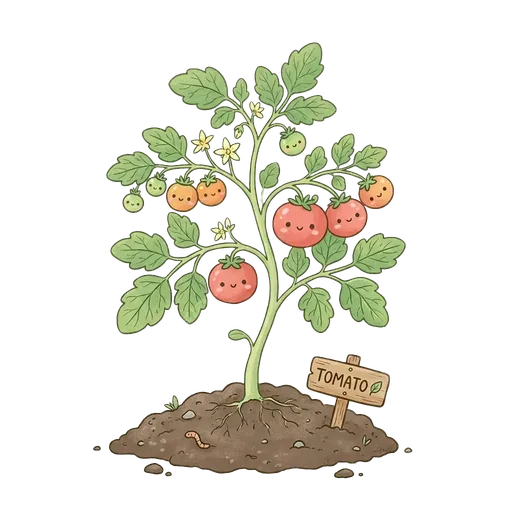
Grow tomatoes anywhere in the US. Choose the right variety, plant at the right time for your zone, and you will pick fruit for months.
Tomatoes are the most popular home crop in the US, and for good reason. A vine-ripe tomato from your own garden tastes nothing like the ones in the store. They reward beginners and experts alike, in beds, raised beds and pots.
The two decisions that matter most are choosing the right variety and planting at the right time for your zone. Get those right and the rest is mostly watering, feeding and a little support. This page has an interactive variety picker, including the sweetest tomatoes you can grow, so you can find the type that fits how you cook and where you garden.
What it looks like as it grows
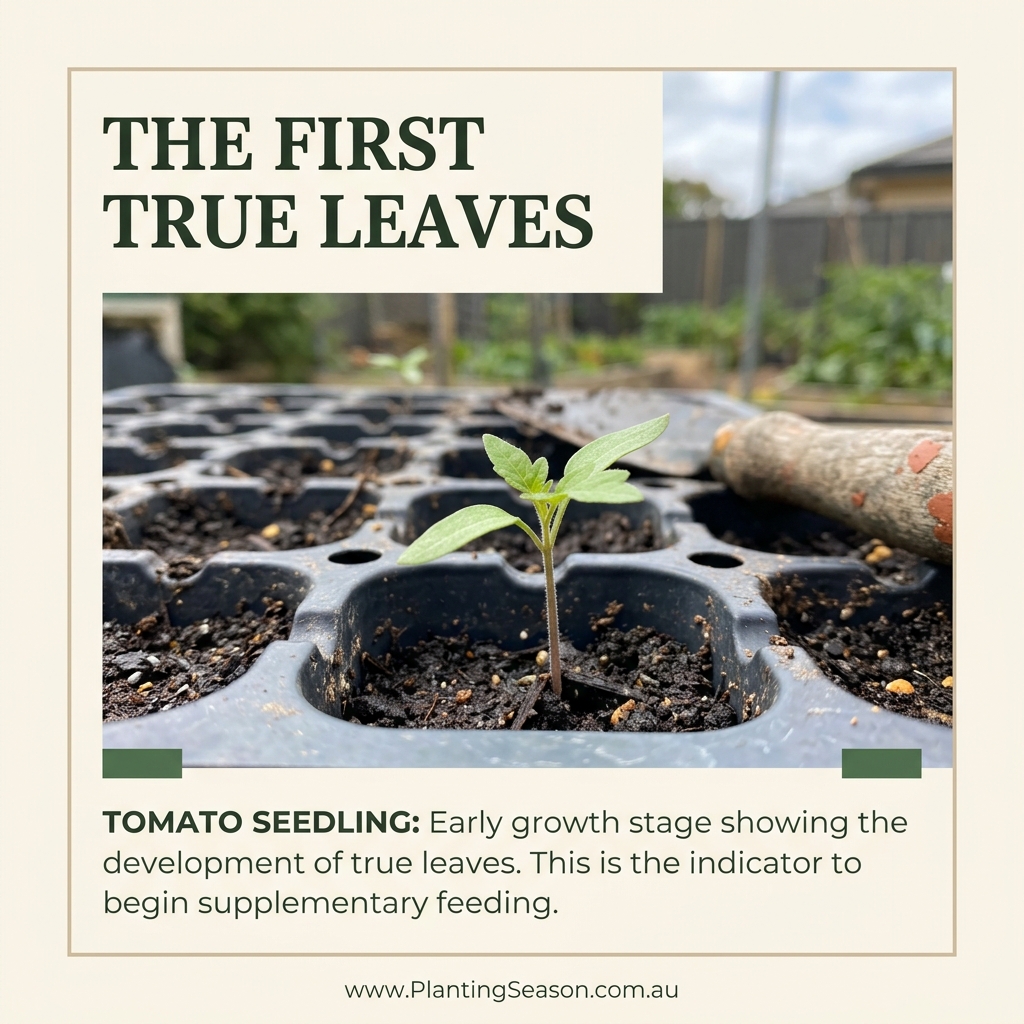
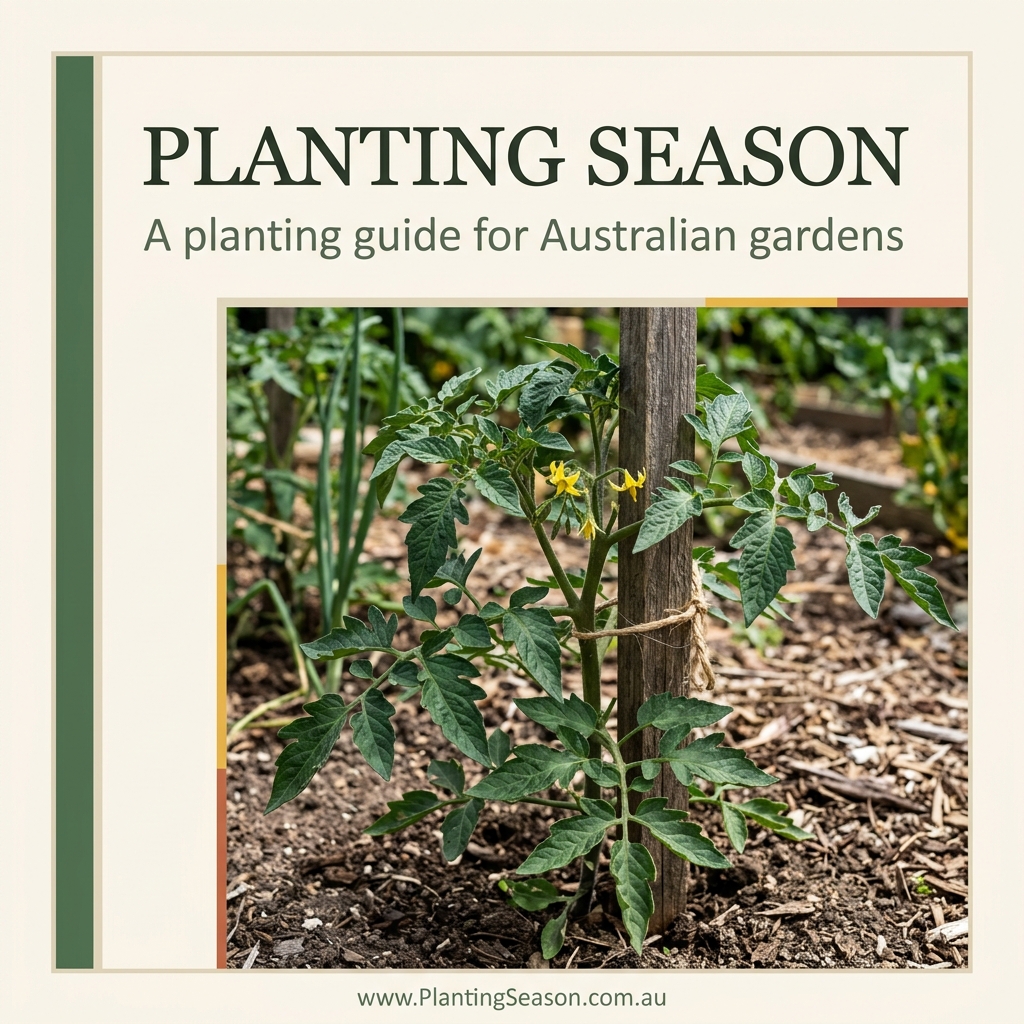
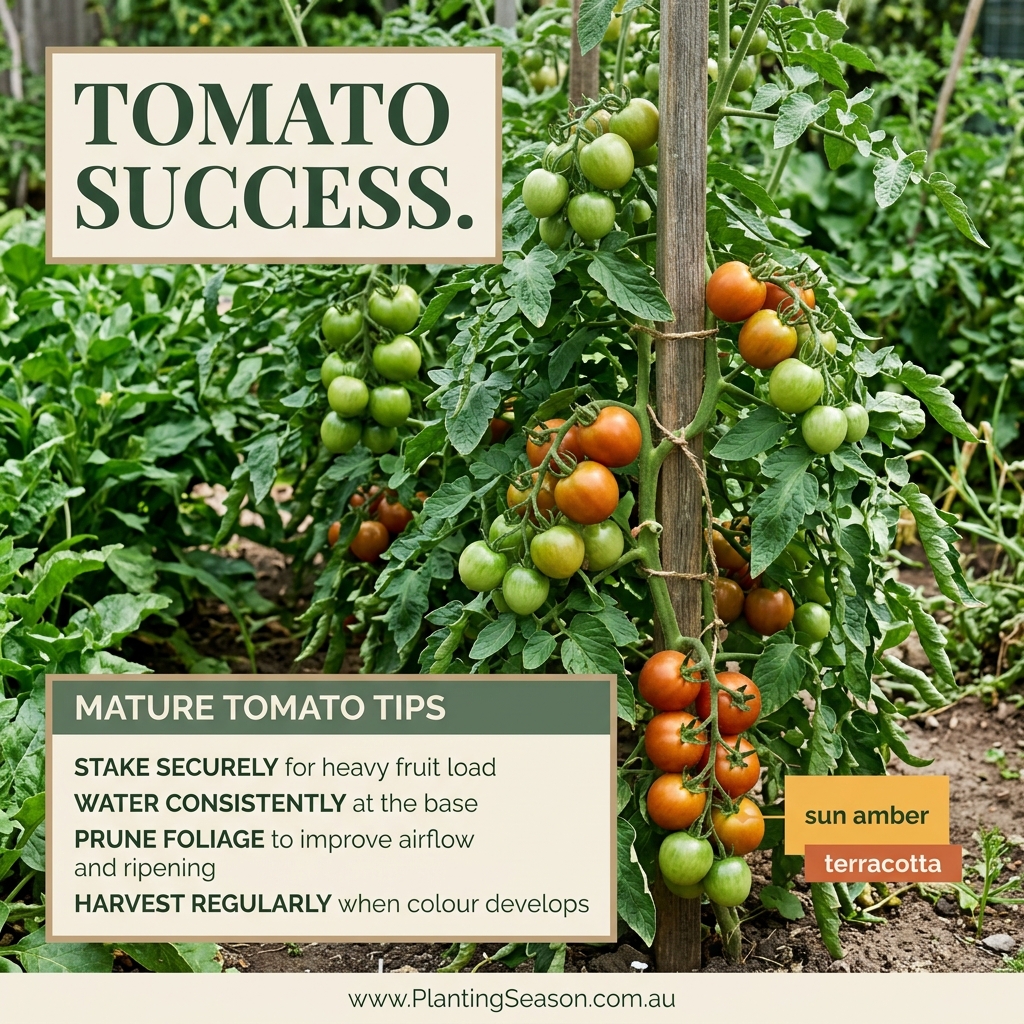
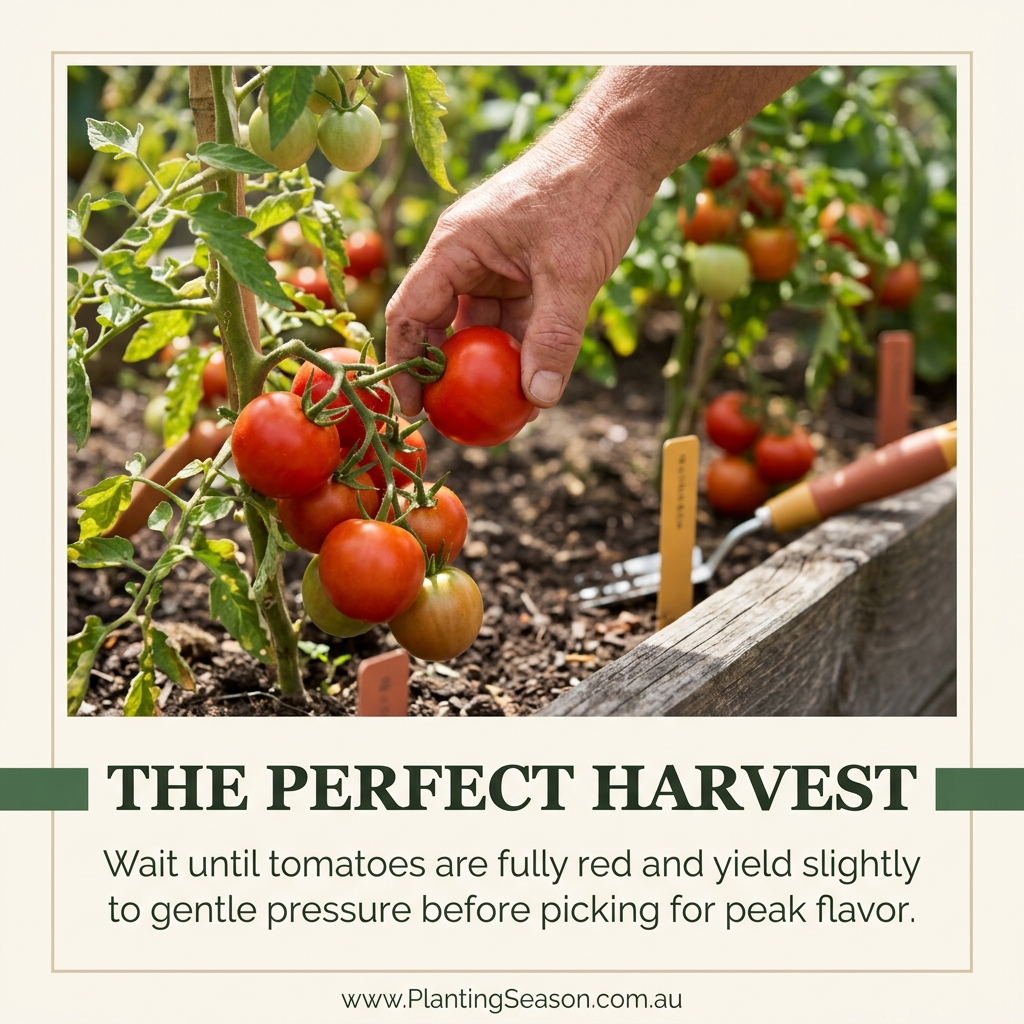
🌱 Plant profile: Tomato, with sowing times for your region, companion plants and common pests.
When to Plant Tomatoes in Your Region
Tomatoes are frost tender, so most of the country sets out transplants once the last spring frost has passed. The Gulf South, North and Central Florida, the low desert and Texas plant twice, in spring and again in late summer, and skip the hottest months. South Florida plants through the cool, dry season from August to February, and Hawaii can plant in any month. These are the planting months for each of our 18 regions, with each region's frost window. Each region links to its full vegetable planting calendar, and the Tomato plant page shows the calendar for any region you pick.
| Region | Set out transplants | Frost window and local note |
|---|---|---|
| North Florida | February to April and July to August | February 15 to December 5 |
| Central Florida | January to February and August to September | Effectively frost free |
| South Florida | August to February | Effectively frost free |
| Gulf South | March to April and July to August | February 25 to December 1Set out transplants from mid March, after the last frost, or in July or August for a fall crop. |
| Desert Southwest | February to March and August to September | February 5 to December 5 |
| Texas | March and July to August | March 1 to November 28 |
| Southern California | March to July | Effectively frost free |
| Mid-South | April to June | April 10 to October 25 |
| Pacific Northwest | May to June | March 25 to November 15 |
| Northeast & New England | May to June | May 10 to October 15 |
| Mid-Atlantic | May to July | April 15 to October 25 |
| Midwest & Great Lakes | May to June | April 30 to October 15 |
| Upper Midwest & Northern Plains | May to June | May 15 to September 25 |
| Mountain West | May to June | May 5 to September 30 |
| Southern Plains | May to July | April 10 to October 30 |
| Northern California & Central Valley | March to July | February 28 to November 17 |
| Hawaii | All year | Effectively frost free |
| Alaska | June | May 15 to September 10 |
The Pacific Northwest, the Northeast and New England, the Midwest, the Upper Midwest and the Mountain West plant tomatoes in May and June. Southern California and Northern California plant tomatoes between March and July. The Mid-Atlantic and the Southern Plains plant tomatoes between May and July.
How to grow tomatoes by zone
In most of the US, start tomato seed indoors 6 to 8 weeks before your last frost, then transplant outdoors after the last frost when nights stay above about 50F and the soil is warm. Cold soil and cold nights stall young plants, so there is no rush.
Give tomatoes full sun, at least 6 to 8 hours a day. They want rich, well-drained soil with a pH of 6.0 to 6.8. Plant them deep, burying the stem right up to the first set of leaves, because the buried stem grows new roots and anchors a stronger plant. Space plants 24 to 36 inches apart for airflow.
Varieties come in two growth habits. Determinate tomatoes are bush types that grow to a set size and ripen one concentrated flush of fruit. They are great for sauce and canning, do well in pots, and need little pruning. Indeterminate tomatoes are vines that keep growing and fruiting all season until frost. They give a steady supply for fresh eating but need staking and regular pruning.
| Region / Zone | When to transplant | Notes |
|---|---|---|
| Cold North (zones 3 to 5) | After last frost, late May to June | Start seed indoors 6 to 8 weeks earlier. Choose early, short-season varieties. |
| Midwest and Northeast (zones 5 to 6) | After last frost, mid to late May | Harden off before transplanting. |
| Mid-Atlantic and Upper South (zones 6 to 7) | After last frost, late April to May | A long warm season suits beefsteaks. |
| Deep South and Gulf (zones 8 to 9) | Feb to Apr for spring, again Aug to Sep for fall | Summer is too hot for fruit set. |
| Florida and frost-free South (zones 9 to 10) | Cool dry season, roughly Aug to Feb | Skip summer. |
Wherever you garden, start seed indoors 6 to 8 weeks before your last frost to get a head start, or buy transplants. See the live planting window for your region on the tomato plant page.
Tomato variety picker
There is no single best tomato. The right one depends on whether you want cherries to snack on, slicers for sandwiches, paste tomatoes for sauce, or big beefsteaks for show. Use the picker below to filter by use, growth habit, or the sweetest toggle. Every variety listed is a real type widely available in the US.
| Variety | Type | Habit | Days | Flavor note |
|---|---|---|---|---|
| SungoldSweetest | Cherry | Indeterminate | 65 | Glowing orange cherry widely named the sweetest tomato of all. Heavy cropper eaten by the handful straight off the vine. |
| Sweet 100Sweetest | Cherry | Indeterminate | 65 | Long trusses of small, very sweet red cherries. Reliable and prolific, a classic snacking tomato. |
| Sweet MillionSweetest | Cherry | Indeterminate | 65 | Improved Sweet 100 with crack resistance and even sweeter fruit over a long season. |
| Yellow PearSweetest | Cherry | Indeterminate | 75 | Mild, sweet, pear-shaped yellow cherries. Pretty in salads and very heavy cropping for months. |
| Sun SugarSweetest | Cherry | Indeterminate | 62 | Crack-resistant golden cherry, as sweet as Sungold with a firmer skin. |
| Black Cherry | Cherry | Indeterminate | 70 | Dusky purple cherry with a deep, complex, almost smoky flavor. A standout for fresh eating. |
| Better Boy | Slicing | Indeterminate | 75 | Classic disease-resistant American slicer. Large, juicy, dependable fruit over a long season. |
| Celebrity | Slicing | Determinate | 70 | Widely adapted, disease-resistant bush slicer. Sets well in varied climates, an All-America Selections winner. |
| Early Girl | Slicing | Indeterminate | 55 | Fast to ripen, a favorite for short seasons and the first slicer of summer. |
| Green Zebra | Slicing | Indeterminate | 78 | Green-and-gold striped fruit with a zingy, tart flavor. A salad showpiece. |
| Roma | Paste / sauce | Determinate | 75 | Thick-fleshed paste tomato with few seeds. Ripens in a concentrated flush, ideal for sauce and canning. |
| San Marzano | Paste / sauce | Indeterminate | 80 | The famous Italian sauce tomato. Long, meaty, low-moisture fruit that cooks down into rich sauce. |
| Amish Paste | Paste / sauce | Indeterminate | 85 | Heirloom paste with more flavor than most sauce types. Larger, slightly heart-shaped fruit, excellent cooked. |
| Brandywine | Beefsteak | Indeterminate | 90 | Famous pink beefsteak heirloom. Big, rich, old-fashioned flavor. Needs a long warm season and strong staking. |
| Cherokee Purple | Beefsteak | Indeterminate | 80 | Dusky rose-purple heirloom beefsteak with a deep, sweet-savory, almost wine-like flavor. A connoisseur favorite. |
| Black Krim | Beefsteak | Indeterminate | 80 | Dark mahogany Russian heirloom with rich, slightly salty, complex flavor. Stunning sliced for sandwiches. |
| Beefsteak | Beefsteak | Indeterminate | 85 | Big, meaty, classic red slicer for burgers and sandwiches. Needs heat, feeding and firm support. |
| Mortgage Lifter | Beefsteak | Indeterminate | 85 | Huge pinkish-red beefsteak up to 2 pounds with mild, rich flavor and few seeds. A long-season heirloom giant. |
| Big Beef | Beefsteak | Indeterminate | 73 | Disease-resistant hybrid beefsteak with full old-fashioned flavor. Reliable and productive. |
| Heat Wave II | Slicing | Determinate | 68 | Bred to set fruit in high heat where other tomatoes drop their flowers. A southern-summer workhorse. |
| Tumbling Tom | Cherry | Determinate | 70 | Trailing dwarf bred for hanging baskets and pots. Cascades of small sweet-tart fruit in a small space. |
| Patio | Slicing | Determinate | 70 | Compact bush developed for containers. Full-size flavor on a tidy plant that needs little staking. |
Feeding tomatoes
Tomatoes are heavy feeders, and what they need changes through the season. Early on they want nitrogen to build leaves and stems, so work compost or aged manure into the bed at planting. Once flowering and fruiting begin, switch to potassium, also called potash, which drives fruit set and ripening. Feed every 1 to 2 weeks with a tomato or bloom fertilizer through the fruiting stage.
For organic options, compost and worm castings give a steady, gentle feed, comfrey tea is rich in potassium for the fruiting stage, blood meal adds fast nitrogen at planting, and bone meal supplies phosphorus for roots and flowers. Ease off the nitrogen as fruit sets or you will get lush leaves and few tomatoes.
Learn to read the leaves. Pale lower leaves usually mean a nitrogen shortage. Yellowing between the veins with weak fruiting points to a lack of potassium or magnesium, and a foliar spray of Epsom salts can fix a magnesium dip. If you make your own compost or run a worm bin, those outputs feed straight back into your beds, and the app can track that loop from bin to bed for you.
Growing tomatoes in pots and containers
Tomatoes grow well in pots if you size the container properly. For full-size types use a pot of at least 5 gallons, roughly 20 inches wide, and bigger is always better. Dwarf and bush types are happy in smaller pots. The more soil a pot holds, the steadier the moisture and feeding, which means fewer problems.
The best container varieties are determinate or dwarf types that stay compact. Tumbling Tom is bred to cascade from hanging baskets, while Patio, Bush Early Girl and Roma all do well in pots. Water container tomatoes daily in summer heat, sometimes twice a day, because pots dry out fast. Feed weekly once flowering starts, since frequent watering washes nutrients out of the pot.
Pruning, staking and support
Indeterminate vines benefit from pruning. Remove the suckers, the side shoots that grow in the leaf axils where a branch meets the main stem, so the plant puts its energy into fruit rather than extra foliage. Determinate bush types are the opposite, so do not prune them. Pinching them out cuts off the fruit they were going to set.
Give every tomato support. A single stake works for a small plant, a tomato cage holds up a bushier one, and a string or Florida weave runs along a whole row. Whatever you use, stake or cage at planting time, not later, so you do not damage roots or snap branches trying to corral a sprawling plant.
Common problems
Blossom end rot
A sunken brown patch on the bottom of the fruit. It is a calcium problem brought on by uneven watering rather than a disease. Water evenly and mulch to hold steady soil moisture, and it usually clears up.
Tomato hornworm
A large green caterpillar that can strip leaves overnight. Handpick them off, or treat with Bt, a natural bacterial spray that targets caterpillars.
Whitefly
Tiny white insects that cluster under leaves and spread tomato yellow leaf curl virus. Choose resistant varieties and control whitefly early with insecticidal soap or yellow sticky traps before numbers build.
Early and late blight
Fungal diseases that cause spreading brown spots on leaves and fruit. Improve airflow with good spacing, avoid overhead watering, rotate where you plant tomatoes each year, and never compost infected plants.
Root-knot nematodes
Soil-dwelling pests that swell and knot the roots, common in the warm South. Choose varieties with an N on the label for nematode resistance, and rotate crops to keep numbers down.
Fruit cracking
Splits in the skin, usually after a heavy rain following a dry spell. Mulch and water evenly so the fruit does not take up water in a sudden surge.
Flowers but no fruit
Heat is the usual cause. When days climb above about 90F and nights stay above about 75F, flowers fail to set and drop. Grow heat-set varieties and give plants light shade during heatwaves.
Plan your varieties in the app
The picker above helps you decide what to grow. The app helps you grow it. When you add a tomato you choose your variety from the in-app dropdown, and it tracks the plant from seed to harvest with feeding, watering and pruning reminders tuned to your region and zone. Get started in the app.
What to Plant with Tomatoes
Our companion data lists these plants as good neighbors for tomatoes, and these to keep apart. The lists read both ways, so a plant that names tomatoes as a companion appears here too. The full companion planting chart for vegetables has the same lists for 55 crops and prints on one sheet.
- Good companions for tomatoes: Asparagus, Basil, Bell Pepper, Borage, Carrot, Celery, Chili Pepper, Chives, Garlic, Green Onion, Marigold, Mint, Nasturtium, Oregano, Parsley.
- Keep tomatoes apart from: Brassicas, Fennel, Potato, Rosemary, Sweet Corn.
Tomatoes at a glance
The planting figures for tomato from our plant data, converted to inches and Fahrenheit.
| Planting depth | 1/2 inch |
|---|---|
| Spacing | 24 inches |
| Days to come up | About 10 days |
| Soil temperature for sprouting | 64 to 86°F |
| Days to harvest | About 85 days |
| Frost | Frost tender |
| Container | At least 16 inches |
Starting tomatoes from seed and transplanting
Our plant data gives tomato seed about 10 days to come up at a soil temperature of 64 to 86°F, so start seed indoors in a warm spot and set the plants out at the times in the table above. Sow the seed about about 1/2 inch deep. When you transplant, bury part of the stem: tomatoes grow roots along any stem that is underground, which gives a sturdier plant. Space plants about 24 inches apart, and stake or cage tall types. For a step-by-step method, see our guide to growing tomatoes from seed.
How long do tomatoes take to grow?
Our plant data allows about 85 days to the first ripe fruit, and a plant keeps ripening fruit for weeks after that. Pick when the fruit is fully colored for the variety and gives slightly to a gentle squeeze, then twist it off at the stem joint or snip the stalk. That timing is why the window closes when it does: in Alaska, where our calendar sets tomatoes out only in June, the plants need the whole short summer, and the region notes suggest a tunnel or greenhouse.
Common questions
What is the sweetest tomato to grow?
Sungold is the variety most often named the sweetest tomato of all, a glowing orange cherry you eat by the handful. Sweet 100, Sweet Million and Yellow Pear are also among the sweetest. All are indeterminate cherry types that crop heavily over a long season. Use the Sweetest only toggle in the variety picker on this page to see them together.
Why is my tomato flowering but not fruiting?
The usual cause is heat. When days climb above about 90F and nights stay above about 75F, tomato flowers fail to set and drop off. Plant earlier or later to dodge the worst heat, choose heat-set varieties such as Heat Wave II, Solar Fire or Florida 91, and provide light shade during heatwaves. A lack of pollination or too much nitrogen can also cause flowers without fruit.
What is the difference between determinate and indeterminate tomatoes?
Determinate tomatoes are bush types that grow to a set size and ripen one concentrated flush of fruit. They suit sauce making, canning and containers and need little pruning. Indeterminate tomatoes are vines that keep growing and fruiting all season until frost. They give a steady supply for fresh eating but need staking or caging and regular pruning of suckers.
What is the best tomato for pots?
Choose compact determinate or dwarf varieties for pots. Tumbling Tom is bred for hanging baskets, while Patio, Bush Early Girl and Roma do well in containers. Use a pot of at least 5 gallons for full-size types, water daily in summer heat, and feed weekly once flowering begins.
How often should I feed tomatoes?
Tomatoes are heavy feeders. Work compost or aged manure into the bed at planting for early nitrogen, then switch to a potassium-rich tomato or bloom fertilizer once flowering and fruiting begin, feeding every 1 to 2 weeks. In containers feed weekly because nutrients wash out faster. Ease off nitrogen as fruit sets or you will get leaves instead of tomatoes.
When do I plant tomatoes?
In most of the US, start seed indoors 6 to 8 weeks before your last frost, then transplant after the last frost once nights stay above about 50F and the soil is warm. In the cold North that means late May to June, in the Midwest and Northeast mid to late May, and in the Mid-Atlantic and Upper South late April to May. In the Deep South plant in spring and again in fall, and in Florida and the frost-free South plant through the cool dry season from about August to February and skip summer.
Source: UF/IFAS Florida Vegetable Gardening Guide and Gardening Solutions; university extension tomato growing guidance.
How long do tomatoes take to grow?
Our plant data allows about 85 days to the first ripe fruit, and seed comes up in about 10 days in warm soil. A plant keeps ripening fruit for weeks once it starts.
Can I plant tomatoes in October?
Yes, in 2 of our 18 regions: South Florida and Hawaii. Everywhere else our calendar has no October planting for tomatoes; the table on this page shows each region's months.
How deep should I plant tomato transplants?
Deeper than they sat in the pot. Bury part of the stem, because tomatoes grow roots along any stem that is underground, which gives a sturdier plant. The seed itself is sown shallow, about 1/2 inch deep.
When to plant in your region
Pick your region to see exactly when to plant tomatoes where you garden.
See also: Tomatoes in the plant library →
Related guides
See what to plant this month
Pick your region for a month-by-month calendar tuned to your climate.
Find your region →Plant profile
The tomato profile has sowing times for your region, companion plants and common pests.