How to Grow Gooseberries in the US
Updated September 2026
A hardy northern berry, with thorns and mildew under control
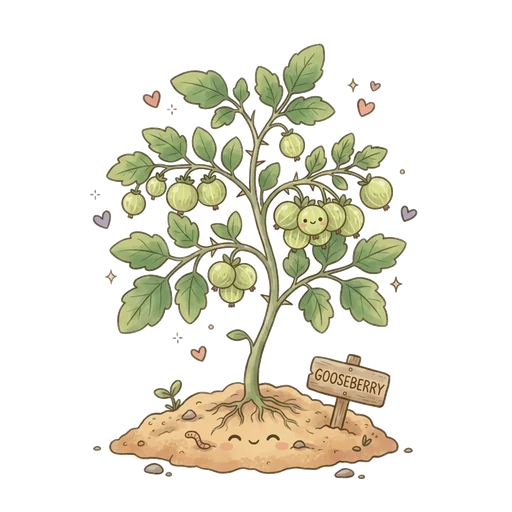
Gooseberries are tough, cold-hardy bushes about 3 to 5 feet tall that bear marble-sized berries in early summer. Picked green they are tart and perfect for pies and jam. Left to ripen, many varieties turn red or pink and sweet enough to eat fresh.
Like currants, gooseberries belong to the genus Ribes, so check your state's planting rules before you buy. After that, the main jobs are choosing a mildew resistant variety and pruning for airflow.
Where Gooseberries Grow in the US
Gooseberries need cool summers and cold winters. They grow well in the Pacific Northwest, where you plant while dormant in February, March or November. In the Northeast and New England and the Midwest and Great Lakes, plant early in spring (April or May) or in October. In the Mid-Atlantic plant in February, March or November with afternoon shade in summer. They are very hardy in the Upper Midwest and Northern Plains, planted in April or May as soon as the ground thaws. In the Mountain West, plant in April, May or October with afternoon shade and steady water. In the Southern Plains plant in February, March or November with afternoon shade and mulch; they struggle in the hotter south. Gooseberries are a proven Alaska berry, planted in May or June once the ground thaws.
Valley summers in Northern California are too hot, though cooler coastal and mountain gardens can try them in afternoon shade. The Mid-South, Texas, the Gulf South and Florida are too hot with too little winter chill, the Desert Southwest is far too hot and dry, Southern California is too mild and dry, and Hawaii has no cold winter. Check your state's Ribes rules first. Choose your region below for local planting months.
Varieties to Try
Hinnonmaki Red
A Finnish variety with sweet-tart red berries and good resistance to powdery mildew. Very hardy.
Invicta
Heavy crops of large green berries with good mildew resistance. Thorny, so wear gloves.
Pixwell
An old, very hardy American variety with few thorns. Berries turn pink when ripe and are best cooked.
Poorman
An American variety with large, sweet red berries that are good fresh.
Captivator
A nearly thornless variety with red, sweet berries, easy to pick.
Planting
Plant bare root or container bushes while dormant, in the months shown for your region. Choose a spot with morning sun and good airflow, with afternoon shade in warmer areas. Gooseberries like cool, moist, well-drained soil that is slightly acid to neutral, about pH 6 to 6.8.
Space bushes about 5 feet apart so air moves between them. Plant at nursery depth, water in and mulch well to keep roots cool. In a container, use a pot at least 16 inches wide.
Care and Pollination
Pollination: gooseberries are self-fertile, so one bush sets fruit.
Pruning: gooseberries fruit on spurs on two and three year old wood. In winter, remove the oldest stems, anything low or crossing, and shoots growing into the center, leaving an open bowl shape you can reach into without being scratched.
Water: keep the soil evenly moist while berries swell. Water at the base, not over the leaves, to reduce mildew.
Feeding: spread compost in spring. Avoid heavy nitrogen, which gives soft growth that mildew loves.
Pests and Diseases
These are the problems US gardeners are most likely to meet:
- Powdery mildew: American gooseberry mildew coats young shoots and berries in white felt that turns brown. Grow resistant varieties, prune for airflow, and cut off affected shoot tips.
- Imported currantworm: Sawfly larvae that can strip a bush of leaves in days in spring, starting in the center. Check inside the bush from leaf-out and pick them off.
- White pine blister rust: Gooseberries can host this rust, which is why some states regulate Ribes. Watch for orange spots under the leaves.
- Currant fruit fly: In some northern and western areas, maggots feed inside berries, which color early and drop. Pick up fallen fruit.
- Birds: Net the bushes as berries ripen.
For organic control methods, see our organic pest management guide.
Harvest and Storage
Gooseberries ripen in early to midsummer. For cooking, pick them firm and green once full size. For eating fresh, leave them until they soften and color, and taste as you go. Wear gloves on thorny varieties.
Fresh gooseberries keep for up to a week in the fridge and freeze well. Top and tail them before cooking.
Track Your Gooseberries
Add gooseberries to your garden in the Planting Season app and get reminders for pruning, pest checks and harvest time.
Open the App →Frequently Asked Questions
Are there thornless gooseberries?
Nearly thornless varieties such as Captivator and low-thorn types such as Pixwell are much easier to pick than older thorny varieties, though most still carry a few spines.
Are gooseberries restricted like currants?
Gooseberries are Ribes too, so state rules on Ribes can apply to them. Check with your state department of agriculture or county extension office before you plant.
Why are my gooseberries covered in white powder?
That is powdery mildew, which is common on gooseberries. Choose resistant varieties such as Hinnonmaki Red or Invicta, prune for airflow and avoid heavy nitrogen feeding.
Is a cape gooseberry the same as a gooseberry?
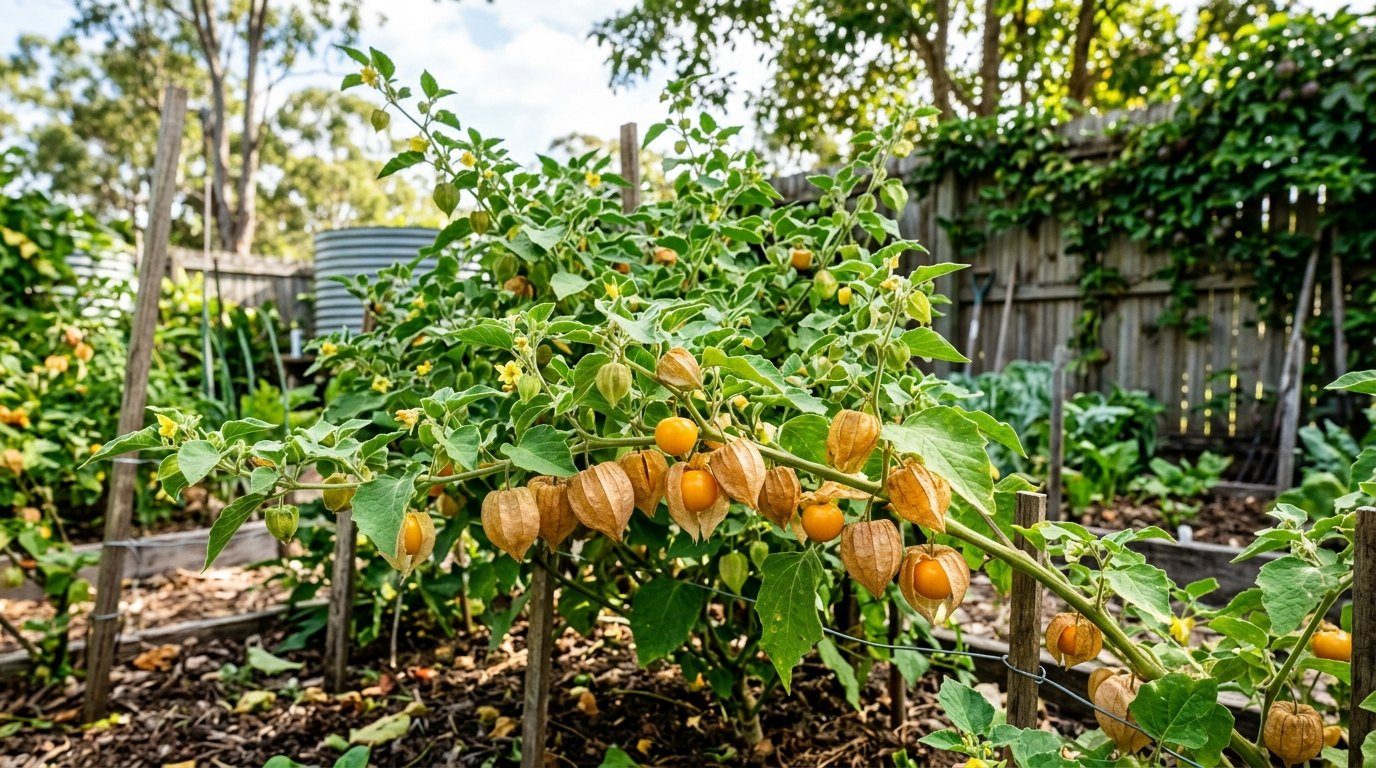
No. Cape gooseberry is a Physalis, a tender plant in the tomato family that bears fruit inside a papery husk. True gooseberries are hardy Ribes bushes.
See also: Gooseberry in the Plant Library