How to Grow Hazelnuts in the US
Updated September 2026
Blight resistant varieties, pollinizer pairs and region-by-region timing
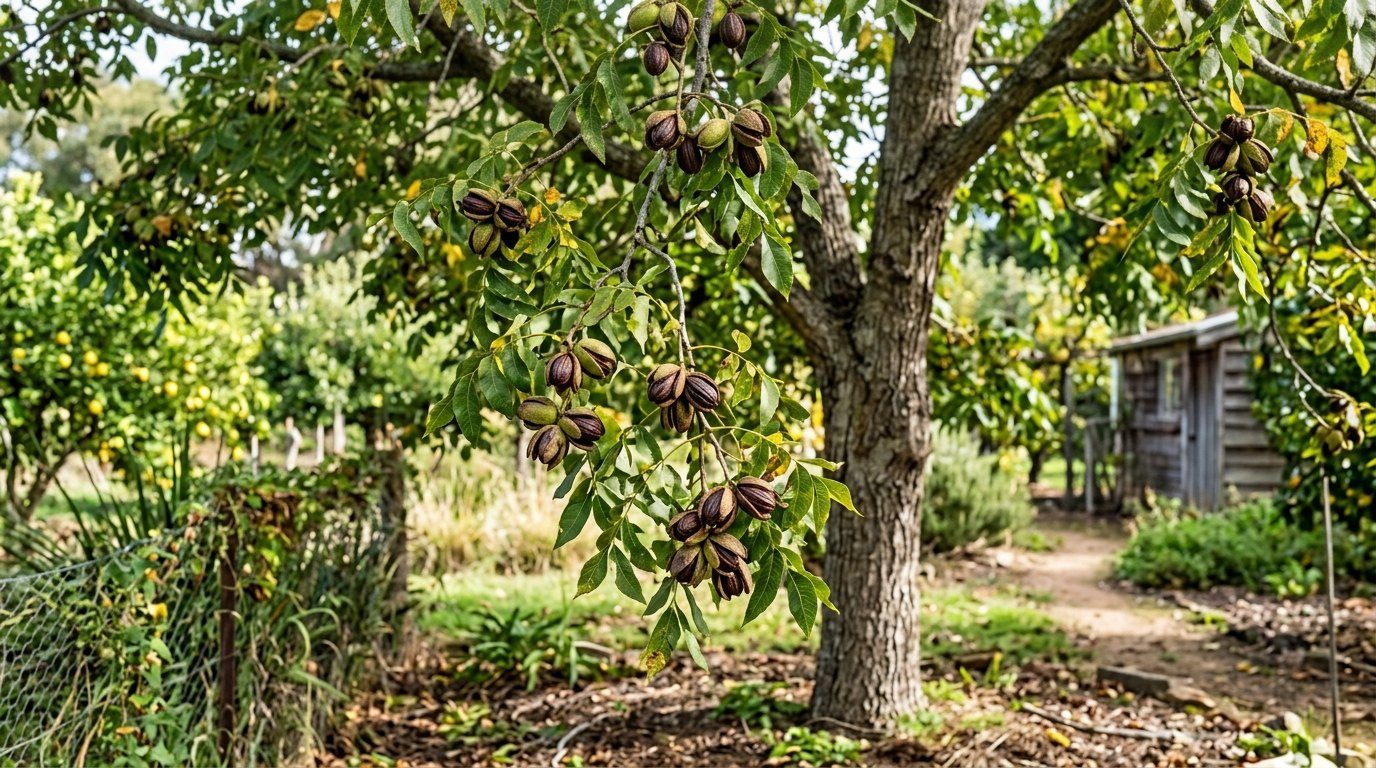
Hazelnuts, also called filberts, grow on a large shrub or small tree about 10 to 16 feet tall. They crop sooner than most nut trees, fit a suburban yard, and can be grown as a multi-stemmed hedge. Nearly all of the commercial US crop comes from Oregon's Willamette Valley.
Two things decide success: planting compatible varieties together so the flowers are pollinated, and choosing types that resist eastern filbert blight, the disease that has ended hazelnut growing in many Eastern gardens.
Where Hazelnuts Grow in the US
The Pacific Northwest is hazelnut heartland: plant blight resistant varieties in compatible pairs in February, March or November. In the Northeast and New England and the Midwest and Great Lakes, plant two compatible blight resistant or hybrid hazelnuts in April, May or October. In the Mid-Atlantic plant in February, March or November. In the Mid-South, choose American or hybrid hazelnuts, because European types struggle with the heat and with filbert blight. American hazelnut is native to the Southern Plains, where hybrids crop better; plant two in February, March or November.
In the Upper Midwest and Northern Plains, hardy American and hybrid hazelnuts are grown; plant in April or May as soon as the ground can be worked. In the Mountain West, hardy hybrids can work with regular water and shelter from drying winds; plant in April, May or October. In Northern California they do better in the cooler north coast and foothills than on the hot valley floor; plant bare root from December to February. Florida and the Gulf South lack the winter chill hazelnuts need to flower. The Desert Southwest is too hot and dry, Texas summers are too hot, Southern California and Hawaii are too mild, and Alaska is too cold with too short a season. Choose your region below for local planting months.
Varieties to Try
Jefferson
A European type from Oregon State University's breeding program with large nuts and resistance to eastern filbert blight. It needs a compatible pollinizer.
Yamhill
A compact, blight resistant Oregon State University variety that crops early. Also needs a compatible pollinizer.
American hazelnut
The native Corylus americana. Very hardy and tolerant of filbert blight, with small, sweet nuts. A good hedgerow plant for cold or blight-prone areas.
Hybrid hazelnuts
Crosses between American and European hazelnuts, bred for cold hardiness and blight tolerance with bigger nuts than the native species. Plants vary, so plant several.
Planting
Plant while dormant in the months shown for your region. Choose full sun for the best crops; hazelnuts grow in part shade but bear less. They like well-drained soil that is close to neutral, pH 6 to 7, and they do poorly in heavy, wet clay.
Space plants about 13 feet apart and keep compatible varieties in the same planting so the wind can carry pollen between them. Set plants at the depth they grew in the nursery, water in and mulch.
Care and Pollination
Pollination: hazelnuts cannot pollinate themselves. They flower in winter: the long catkins release pollen on the wind while tiny red female flowers poke out of the buds. Pollen only works on a variety with a compatible genetic type that flowers at the same time, so buy named varieties sold as pollinizers for each other and plant at least two.
Suckers: hazelnuts send up shoots from the base. Remove them for a single-trunk tree, or keep four to six stems for a bush or hedge.
Water and feeding: water through dry summers, especially in the first three years. A light spring feed of compost or a balanced fertilizer is enough.
Pruning: in winter, remove dead, crowded and crossing branches to keep the center open.
Pests and Diseases
These are the problems US gardeners are most likely to meet:
- Eastern filbert blight: A fungus that causes cankers with rows of small black, football-shaped bumps on branches. European hazelnuts decline and die over several years; American hazelnut carries it with little harm. Plant resistant varieties, and in winter cut out cankered branches a couple of feet below the visible canker and bin or burn them.
- Filbertworm: A caterpillar that feeds inside developing nuts. Collect and destroy fallen, damaged nuts.
- Filbert aphid: Aphids on the leaves in summer leave sticky honeydew. Beneficial insects usually keep them in check.
- Big bud mite: Mites that make buds swell and fail to open. Pick off and destroy swollen buds in winter.
- Squirrels, jays and crows: They will harvest the crop before you do. Pick up nuts as soon as they fall.
For organic control methods, see our organic pest management guide.
Harvest and Storage
Hazelnuts ripen from late summer into fall. Most European types drop from their husks when ripe, so mow or clear the ground underneath beforehand and gather nuts every few days. American and hybrid types often hold their nuts in the husk; pick the clusters when the husks turn brown.
Dry the nuts in their shells in a warm, airy place for two to three weeks, until the kernels are crisp. Dry hazelnuts in the shell keep for months in a cool place, and shelled kernels freeze well.
Track Your Hazelnuts
Add hazelnuts to your garden in the Planting Season app and get reminders for planting, pruning and harvest time.
Open the App →Frequently Asked Questions
Why does my hazelnut have no nuts?
The most common reason is pollination. Hazelnuts cannot set nuts with their own pollen and need a compatible variety that flowers at the same time. Young plants and plants weakened by eastern filbert blight also crop poorly.
Is a filbert the same as a hazelnut?
Yes. Filbert is the name often used in the Pacific Northwest for European hazelnuts. The plants and nuts are the same.
Can I grow hazelnuts in the South?
In the Mid-South and the Southern Plains, yes, using American or hybrid hazelnuts. Florida and the Gulf South do not get enough winter chill for hazelnuts to flower, and Texas summers are too hot.
How do I recognize eastern filbert blight?
Look for sunken cankers on branches with rows of small black, football-shaped bumps, and for branches that die back in summer with dead leaves still attached. Cut infected wood out in winter well below the canker.
See also: Hazelnut in the Plant Library