How to Grow Peppers: When to Plant Bell and Chili Peppers
Updated October 2026
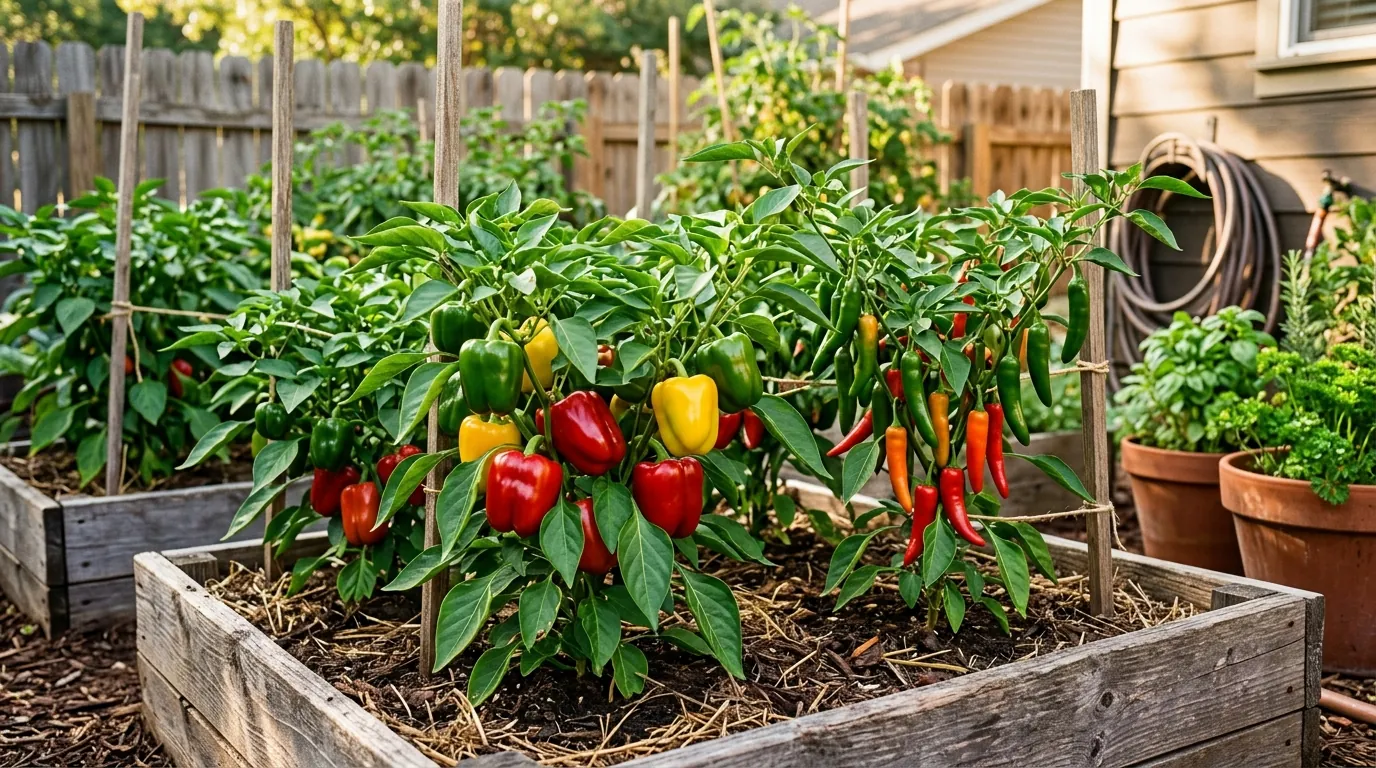
Peppers love Florida's warmth and, in frost-free areas, can crop for a year or more. Plant in the cooler shoulders of the year and they will reward you.
Peppers are a warm-season crop, but like tomatoes they struggle in peak summer heat and rain. Plant them for fall and again in late winter to spring. In South Florida a healthy pepper plant can survive the mild winter and keep producing well into a second year.
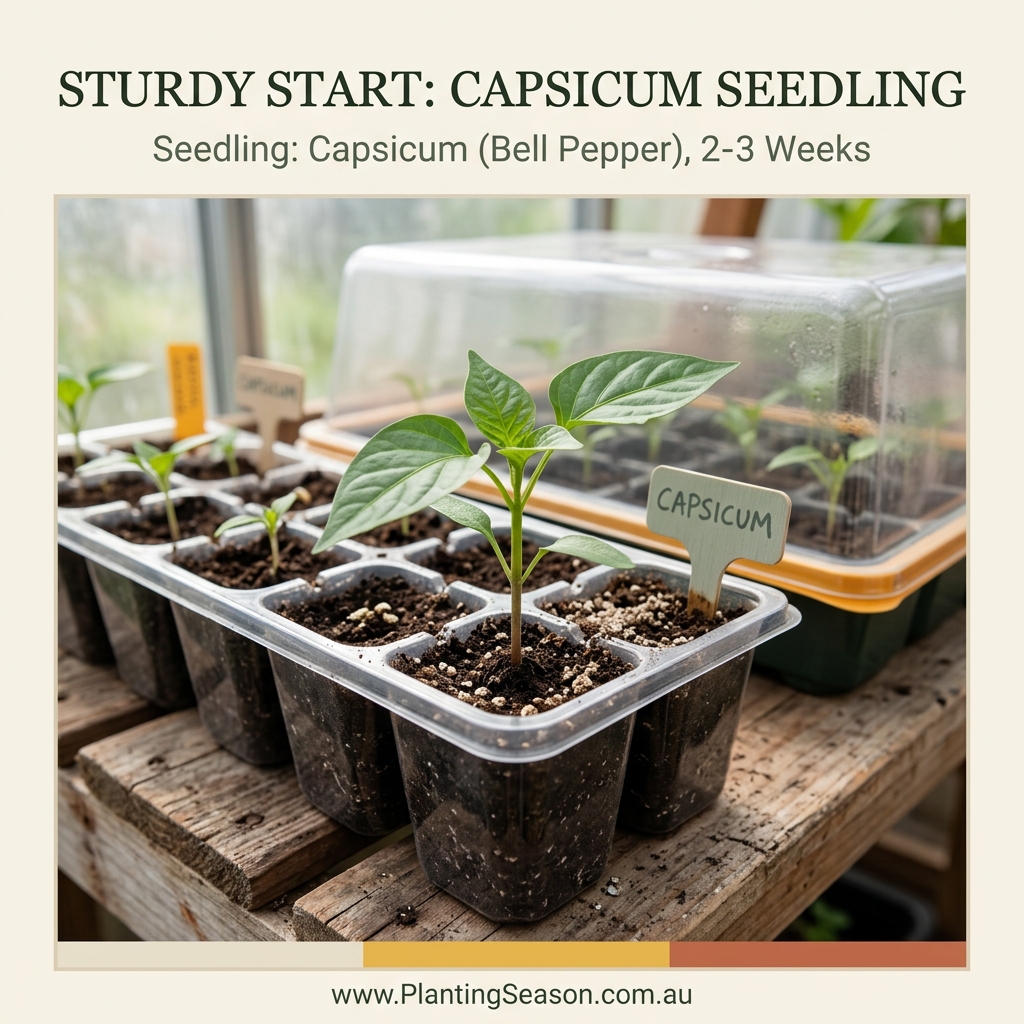
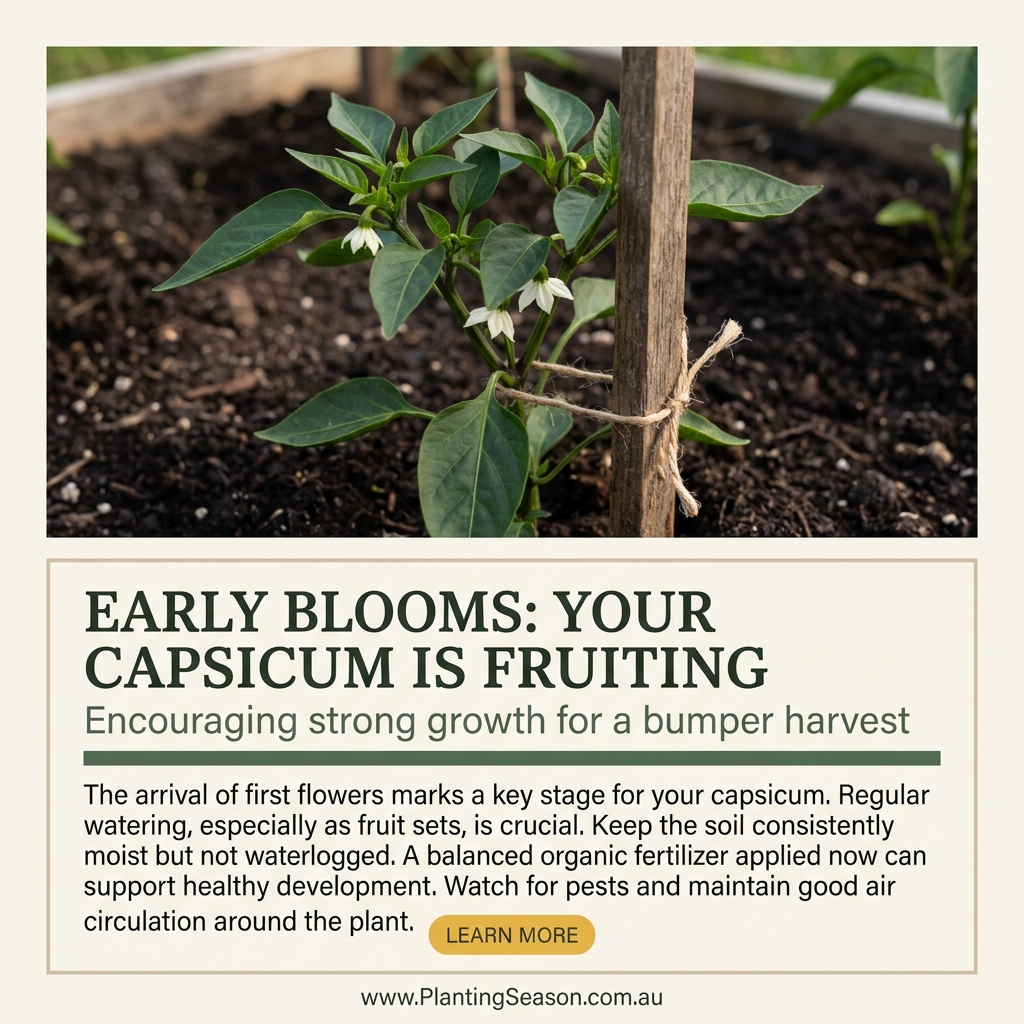
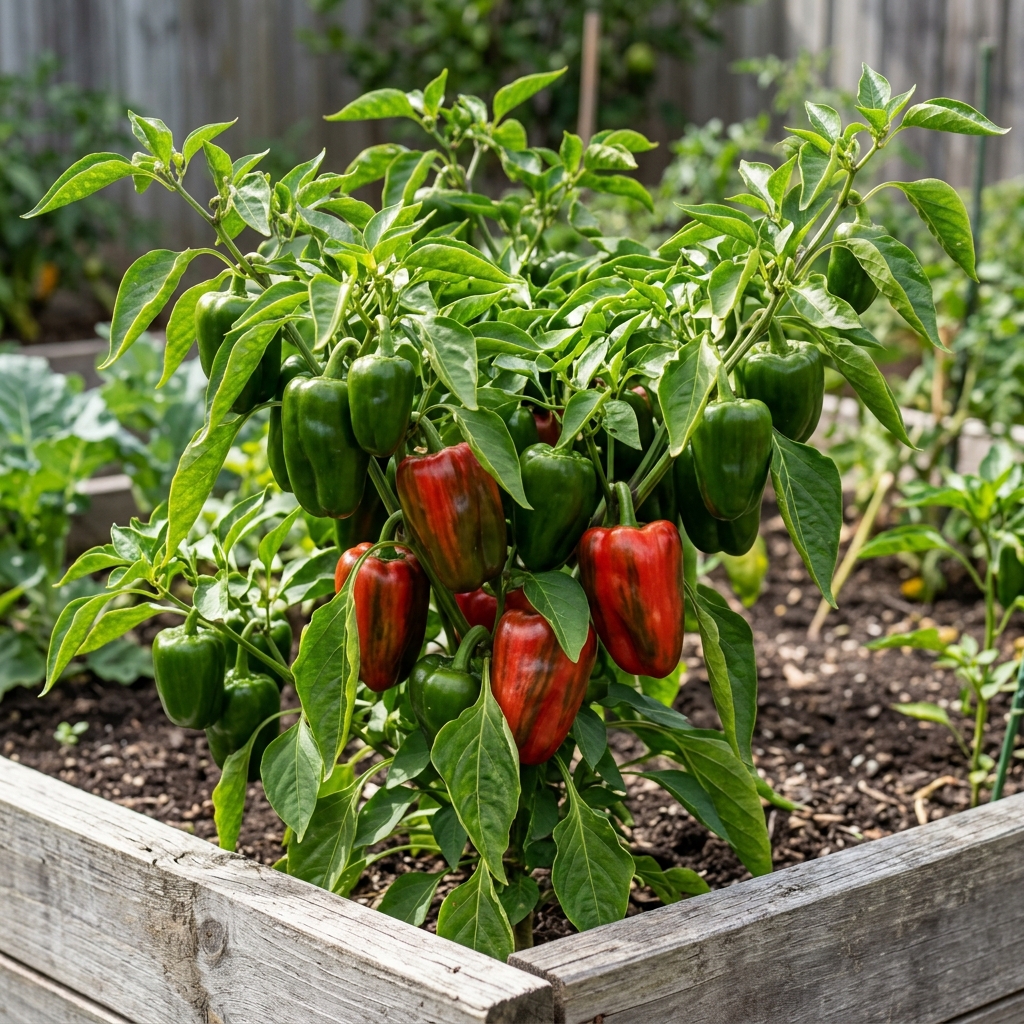
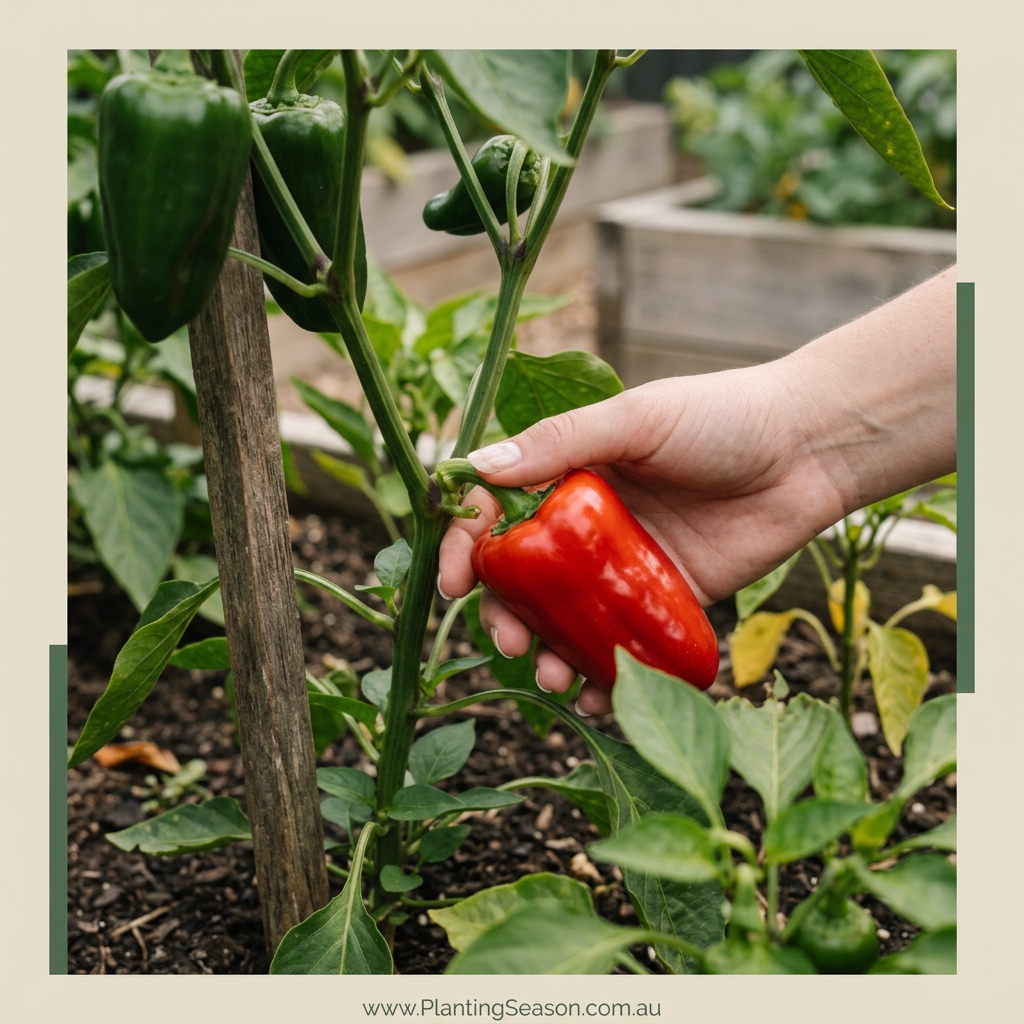
What it looks like as it grows
When to Plant Peppers in Your Region
Peppers are frost tender and slow to start, so most gardeners set out transplants. Bell and chili peppers share almost the same planting months in our data: after the last frost, in May or June, in the North; in spring and again in late summer across North and Central Florida, the Gulf South and Texas; and from August to February in South Florida. These are the planting months for each of our 18 regions, with each region's frost window. Each region links to its full vegetable planting calendar, and the Bell Pepper plant page and Chili Pepper plant page show the calendar for any region you pick.
| Region | Bell pepper | Chili pepper | Frost window and local note |
|---|---|---|---|
| North Florida | February to April and July to August | February to April and July to August | February 15 to December 5 |
| Central Florida | January to March and August to September | January to March and August to September | Effectively frost free |
| South Florida | August to February | August to February | Effectively frost free |
| Gulf South | March to April and July to August | March to April and July to August | February 25 to December 1Set out transplants from mid March, after the last frost, or in July or August for a fall crop. |
| Desert Southwest | February to March and August | February to March and August to September | February 5 to December 5Set out transplants in February or March, or in August for a fall crop; September plantings run out of warm weather. |
| Texas | March and July to August | March and July to August | March 1 to November 28 |
| Southern California | March to July | March to July | Effectively frost free |
| Mid-South | April to June | April to June | April 10 to October 25 |
| Pacific Northwest | May to June | May to June | March 25 to November 15 |
| Northeast & New England | May to June | May to June | May 10 to October 15 |
| Mid-Atlantic | May to July | May to July | April 15 to October 25 |
| Midwest & Great Lakes | May to June | May to June | April 30 to October 15 |
| Upper Midwest & Northern Plains | May to June | May to June | May 15 to September 25 |
| Mountain West | May to June | May to June | May 5 to September 30 |
| Southern Plains | May to July | May to July | April 10 to October 30 |
| Northern California & Central Valley | March to July | March to July | February 28 to November 17 |
| Hawaii | All year | All year | Effectively frost free |
| Alaska | June | June | May 15 to September 10 |
The Pacific Northwest, the Northeast and New England, the Midwest, the Upper Midwest and the Mountain West plant peppers in May and June. Southern California and Northern California plant peppers between March and July. The Mid-Atlantic and the Southern Plains plant peppers between May and July.
When to plant in Florida
| Region | Transplant out |
|---|---|
| North Florida | Feb to Apr (spring), Jul to Aug (fall) |
| Central Florida | Jan to Mar (spring), Aug to Sep (fall) |
| South Florida | Aug to Feb (cool dry season) |
Peppers are slow from seed, so start 8 weeks ahead or buy transplants. Check your region's window on the bell pepper and chili pepper pages.
Varieties for Florida
- Sweet/bell: 'California Wonder', 'Better Belle', 'Big Bertha', and thin-walled 'Cubanelle' which handles heat well.
- Hot: 'Jalapeño', 'Cayenne', and heat-loving 'Habanero'. The 'Datil' pepper is a St. Augustine, Florida specialty and grows beautifully here.
How to grow them
- Sun and soil: full sun and warm soil (above 65°F). Enrich sandy beds with compost.
- Water: even moisture; mulch to keep roots cool and steady. Uneven water causes blossom-end rot, same as tomatoes.
- Feed: light, regular feeding. Excess nitrogen delays fruit.
- Support: stake heavy-bearing plants so branches do not snap.
Pests and problems
Watch for pepper weevil (the main Florida pepper pest, which bores into buds and pods), plus aphids, whitefly and hornworms. Bacterial leaf spot and root-knot nematodes are the common soil and foliage problems. Remove and bin weevil-infested fruit, rotate beds, and choose resistant stock.
Harvest
Our plant data allows about 100 days for bell peppers, which can be picked green and sweeten as they turn red, yellow or orange with another week or two on the plant. Hot peppers develop full heat as they ripen to full color. Pick regularly to keep plants producing.
What to Plant with Peppers
Our companion data lists these plants as good neighbors for bell and chili peppers, and these to keep apart. The lists read both ways, so a plant that names peppers as a companion appears here too. The full companion planting chart for vegetables has the same lists for 55 crops and prints on one sheet.
- Good companions for bell and chili peppers: Basil, Carrot, Eggplant, Marigold, Okra, Oregano, Tomato.
- Keep bell and chili peppers apart from: Fennel, Kohlrabi, Potato.
Peppers at a glance
The planting figures for bell pepper from our plant data, converted to inches and Fahrenheit.
| Planting depth | 1/4 inch |
|---|---|
| Spacing | 18 inches |
| Days to come up | About 14 days |
| Soil temperature for sprouting | 68 to 86°F |
| Days to harvest | About 100 days |
| Frost | Frost tender |
| Container | At least 12 inches |
Starting peppers from seed
Pepper seed needs warmth. Our plant data gives bell pepper a soil temperature range of 68 to 86°F and chili pepper 72 to 86°F, with about 14 days to emerge. Sow about 1/4 inch deep in trays in a warm spot, then set the plants out about 18 inches apart at the times in the table. Stake the plants once they carry fruit, because laden branches snap, and keep watering even to avoid blossom end rot.
Growing peppers in containers
Peppers do well in pots. Our plant data suggests a container at least 12 inches across for bell peppers and 10 inches for chili peppers. See how to grow chili peppers in pots.
How long do peppers take to grow?
Our plant data allows about 100 days to harvest for bell peppers and about 90 days for chili peppers. Pick when the fruit is firm and full sized: green for a milder taste, or fully colored for sweeter bell peppers and hotter chilies. Cut the stalk with pruners, and the plant keeps setting more.
Common questions
Will peppers survive the winter in Florida?
In South and warm Central Florida, yes. Protect from the occasional frost and they often crop into a second year. In North Florida treat them as an annual.
Source: UF/IFAS Florida Vegetable Gardening Guide (SP 103), Peppers; UF/IFAS Gardening Solutions.
When should I plant peppers?
The Pacific Northwest, the Northeast and New England, the Midwest, the Upper Midwest and the Mountain West plant peppers in May and June. Southern California and Northern California plant peppers between March and July. The Mid-Atlantic and the Southern Plains plant peppers between May and July. The table on this page lists all 18 regions with their months.
How long do peppers take to grow?
Our plant data allows about 100 days to harvest for bell peppers and about 90 days for chili peppers, with seed taking about 14 days to come up in warm soil.
Can I plant peppers in October?
Yes, in 2 of our 18 regions: South Florida and Hawaii. Everywhere else our calendar has no October planting for peppers; the table on this page shows each region's months.
Are bell peppers and chili peppers planted at the same time?
Almost. In our data they share the same planting months in every region except the Desert Southwest, where bell peppers go in February to March and August and chili peppers February to March and August to September.
When to plant in your region
Pick your region to see exactly when to plant peppers where you garden.
See also: Peppers in the plant library →
Related guides
See what to plant this month
Pick your Florida region for a month-by-month calendar tuned to your climate.
Find your region →