How to Grow Soursop in the US
Updated September 2026
A frost tender tropical for South Florida and Hawaii
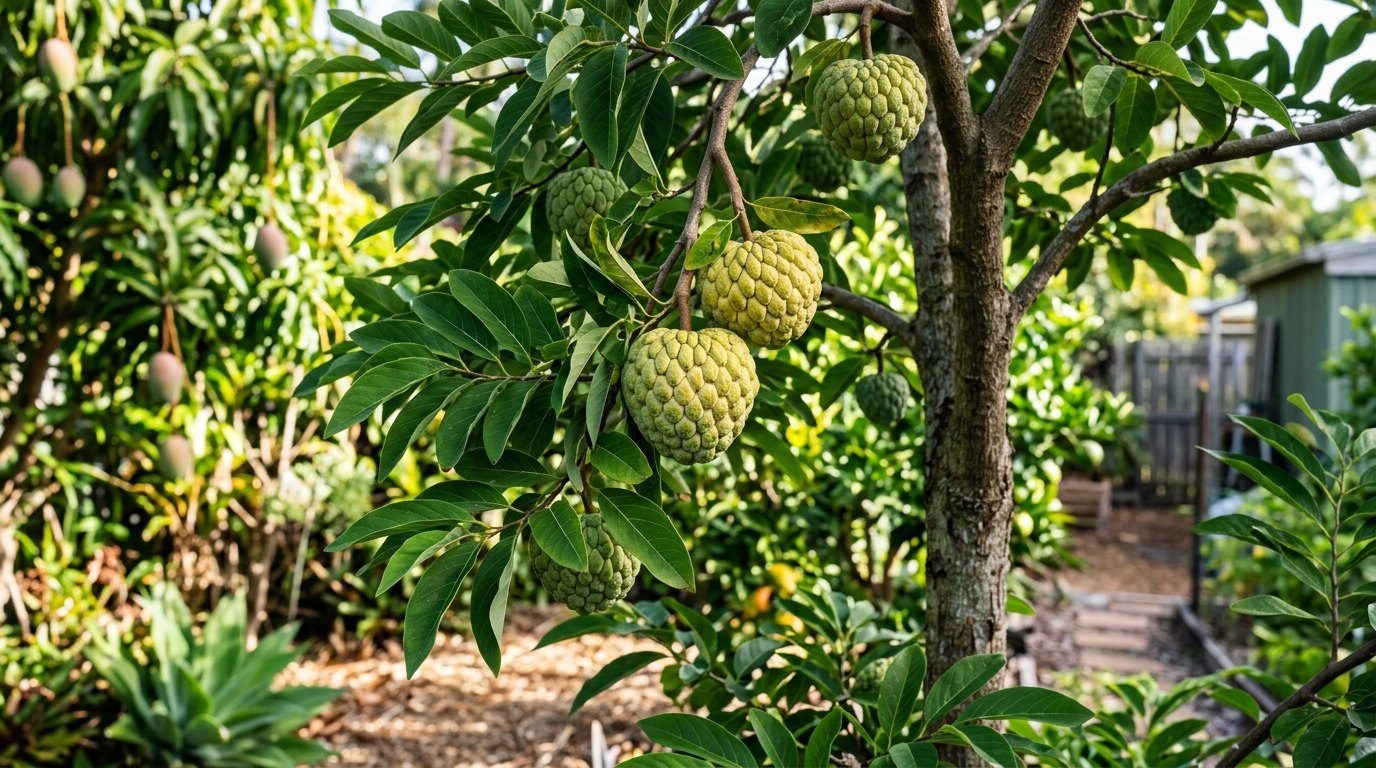
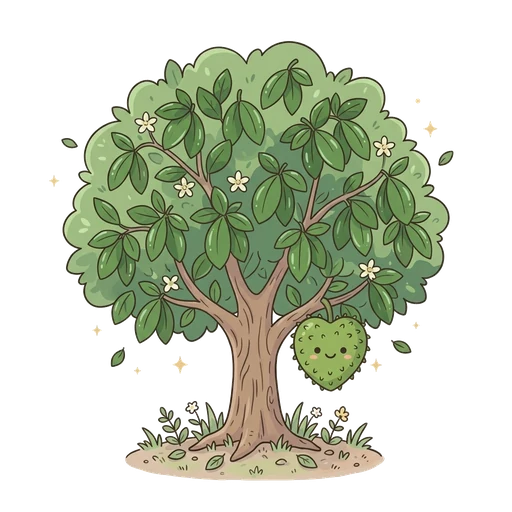
Soursop, Annona muricata, is a small tropical tree related to custard apple and sugar apple. Its large, green, soft-spined fruit holds white, juicy, sweet-tart pulp that is prized for juice, smoothies and ice cream.
It is one of the most frost tender fruit trees you can grow, and it is thirsty. In the US that limits it to the warmest, most humid gardens.
Where Soursop Grows in the US
Soursop grows outdoors in South Florida (zones 10b to 11b). Plant from March to August, in the warm months, so it settles in before winter cold snaps, and keep it watered and out of the wind. It grows well in the warm, humid lowlands of Hawaii; plant in spring or fall.
Any frost damages soursop, so outdoors it does not suit Central Florida. Young trees die in a light frost in North Florida and the Gulf South, and Texas is too cold outside the far southern tip. Winter frosts and dry heat rule out the Desert Southwest, and Southern California winters are too cool for it to fruit well. Every other US region is too cold. Choose your region below for local planting months.
Varieties to Try
Seedling soursop
Most soursop in the US is sold as seedlings, which vary in fruit sweetness and fiber.
Grafted local selections
Some South Florida and Hawaii nurseries graft trees from local selections known for sweet, low-fiber fruit. Ask what the parent tree produces.
Related fruit
Sugar apple and atemoya are close relatives with smaller fruit. Atemoya handles a little more cool weather than soursop.
Planting
Plant in the warm months shown for your region. Choose full sun with shelter from strong wind, because the branches are brittle and the fruit is heavy. Soursop needs rich, well-drained soil and does not tolerate waterlogging.
Trees grow about 13 to 26 feet tall, so allow about 13 feet around each one. Set the tree at nursery depth, water in and mulch, keeping mulch away from the trunk.
Care and Pollination
Pollination: each flower has male and female parts, but the female part is ready before the pollen is released, and the small beetles that pollinate soursop are not always around. Poor pollination gives lopsided, misshapen fruit. Hand pollinate with a small, soft brush: collect pollen from flowers that are shedding it and dust it onto the center of newly opened flowers.
Water: keep the soil moist all year, and water often in dry spells. Mulch well.
Feeding: feed young trees lightly and often through the warm months with a balanced fertilizer, and established trees a few times a year.
Pruning: keep the tree low and open so fruit is easy to reach, pruning after harvest.
Pests and Diseases
These are the problems US gardeners are most likely to meet:
- Mealybugs: White, cottony insects on fruit and stems, with sooty mold. Hose them off and treat with horticultural oil or insecticidal soap.
- Annona seed borer: A small wasp whose larvae tunnel through the seeds and pulp, leaving holes in the fruit. It attacks soursop, sugar apple and atemoya in Florida. Bag young fruit in fine mesh and destroy damaged fruit.
- Anthracnose: A fungus that blackens flowers and young fruit in wet weather. Remove affected fruit and keep the canopy open.
- Cold damage: Any frost injures soursop. Cover young trees on the rare cold nights in South Florida.
For organic control methods, see our organic pest management guide.
Harvest and Storage
Pick soursop when it is mature but still firm. The skin turns duller and lighter green, the spines spread apart and soften, and the fruit gives slightly to gentle pressure. Fruit left to soften on the tree falls and bruises.
Ripen picked fruit at room temperature for a few days until soft, then keep it in the fridge for a couple of days. Scoop out the pulp and remove the seeds; the pulp freezes well for juice and ice cream. Do not eat the seeds.
Track Your Soursop Tree
Add soursop to your garden in the Planting Season app and get reminders for feeding, pest checks and harvest time.
Open the App →Frequently Asked Questions
Why is my soursop fruit lopsided?
Lopsided fruit is a sign of poor pollination, where only part of the flower was pollinated. Hand pollinating newly opened flowers with a soft brush gives rounder, fuller fruit.
Can I grow soursop outside South Florida?
Outdoors, soursop suits only South Florida and the warm lowlands of Hawaii. Any frost damages it, so it is not reliable in Central Florida and fails in colder regions.
How do I know when soursop is ready to pick?
The skin turns from dark, glossy green to a duller, lighter green, the spines spread and soften, and the fruit gives slightly when pressed. Pick it then and let it soften indoors.
Are soursop seeds safe to eat?
No. Remove and discard the seeds and eat only the pulp.
See also: Soursop in the Plant Library