
Soil pH: How to Test It and How to Raise or Lower It
Updated November 2026
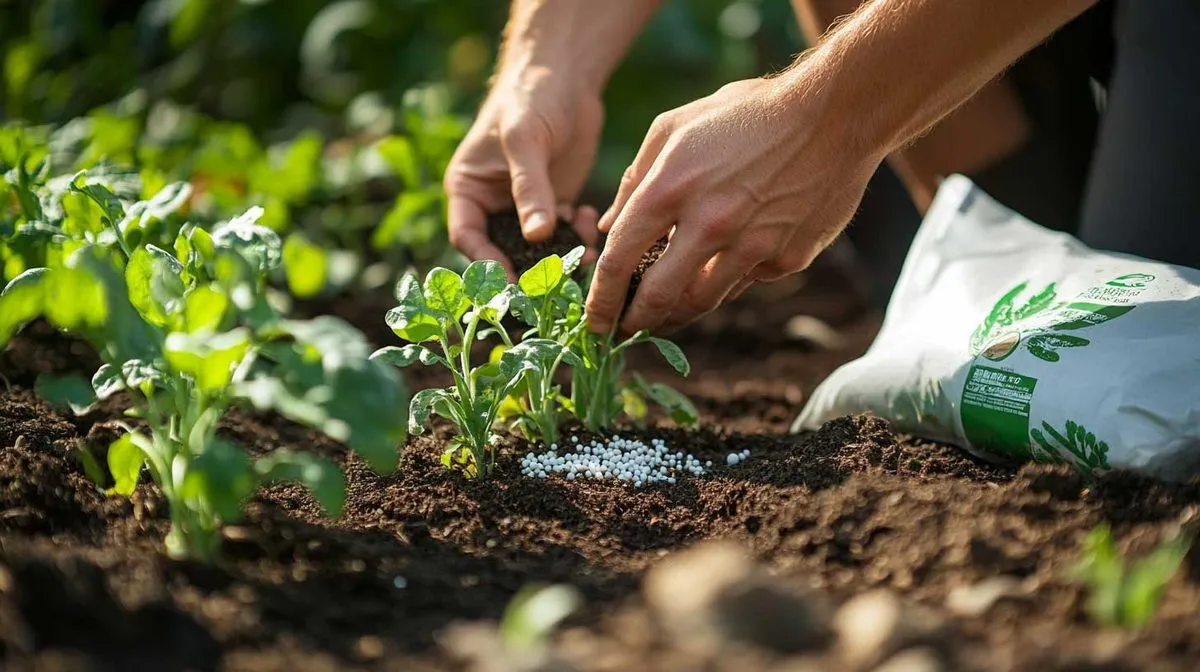
Soil pH measures how acidic or alkaline your soil is, and it controls how easily plants take up nutrients. Most vegetables grow best between pH 6.0 and 7.0, a few crops want more acid soil, and a few tolerate alkaline soil. This guide shows you how to test your soil, a pH table by crop built from our plant data, and how to raise or lower pH safely, including how to make soil more acidic.
Quick answer
- Test first. A guess at pH leads to wasted lime or sulfur, and sometimes to harm.
- Most vegetables like pH 6.0 to 7.0. Blueberries want 4.5 to 5.5, and potatoes do well in slightly acidic soil.
- To raise pH, use garden lime or dolomite. To lower it, use elemental sulfur, and expect it to take months.
- Retest after about three months, and make changes in small steps rather than one big dose.
What soil pH means
The pH scale runs from 0 to 14, with 7 neutral. Below 7 is acidic and above 7 is alkaline. The scale is logarithmic, so soil at pH 5.5 is ten times more acidic than soil at pH 6.5. That matters because pH changes which nutrients dissolve in soil water: in very acid soil, aluminum and manganese become more available and can harm roots, while phosphorus and calcium are held back. In alkaline soil, iron, manganese and zinc become harder to take up, and leaves of sensitive plants turn yellow between the veins.
How to test soil pH
- Color test kit. Cheap and good enough for a first look. You mix a soil sample with the provided liquid and compare the color to a chart. Read it in daylight.
- Digital probe meter. Convenient, but low-cost meters are often inaccurate and drift. Check them against a buffer solution, and treat the result as a rough guide.
- Laboratory test. The most reliable, and usually also reports nutrients and organic matter. In the US, your county Cooperative Extension office or state university lab runs low-cost soil tests.
How to take a sample
- Take samples from four to six spots in the bed, each from the top 4 to 6 inches, after removing mulch and surface litter.
- Mix them in a clean bucket, and let the mix air dry if you are sending it to a lab.
- Test each separate garden area on its own, because a lawn, a vegetable bed and a fruit tree can have different pH.
- Test at the same time of year if you are comparing results, since pH shifts a little with wetness and fertilizer.
Soil pH by crop
This table comes from the planting data in the Planting Season app. Ranges are the soil pH each crop grows best in, and are sorted from the most acid-loving to the least. Crops without a listed range are not shown.
| Crop | Best soil pH | Where it sits |
|---|---|---|
| Blueberry | 4.5 to 5.5 | Prefers acidic to slightly acidic soil |
| Potato | 5.0 to 6.5 | Prefers acidic to slightly acidic soil |
| Sweet Potato | 5.5 to 6.5 | Prefers acidic to slightly acidic soil |
| Ginger | 5.5 to 6.5 | Prefers acidic to slightly acidic soil |
| Strawberry | 5.5 to 6.8 | Slightly acidic to neutral |
| Raspberry | 5.6 to 6.5 | Prefers acidic to slightly acidic soil |
| Tomato | 6.0 to 6.8 | Slightly acidic to neutral |
| Bell Pepper | 6.0 to 6.8 | Slightly acidic to neutral |
| Chili Pepper | 6.0 to 6.8 | Slightly acidic to neutral |
| Carrot | 6.0 to 6.8 | Slightly acidic to neutral |
| Cucumber | 6.0 to 7.0 | Slightly acidic to neutral |
| Zucchini | 6.0 to 7.0 | Slightly acidic to neutral |
| Pumpkin | 6.0 to 7.0 | Slightly acidic to neutral |
| Lettuce | 6.0 to 7.0 | Slightly acidic to neutral |
| Peas | 6.0 to 7.0 | Slightly acidic to neutral |
| Bush Beans | 6.0 to 7.0 | Slightly acidic to neutral |
| Sweet Corn | 6.0 to 7.0 | Slightly acidic to neutral |
| Onion | 6.0 to 7.0 | Slightly acidic to neutral |
| Radish | 6.0 to 7.0 | Slightly acidic to neutral |
| Broccoli | 6.0 to 7.0 | Slightly acidic to neutral |
| Basil | 6.0 to 7.0 | Slightly acidic to neutral |
| Mint | 6.0 to 7.0 | Slightly acidic to neutral |
| Parsley | 6.0 to 7.0 | Slightly acidic to neutral |
| Apple | 6.0 to 7.0 | Slightly acidic to neutral |
| Beet | 6.0 to 7.5 | Tolerates neutral to alkaline soil |
| Garlic | 6.0 to 7.5 | Tolerates neutral to alkaline soil |
| Rosemary | 6.0 to 7.5 | Tolerates neutral to alkaline soil |
| Lemon Tree | 6.0 to 7.5 | Tolerates neutral to alkaline soil |
| Thyme | 6.0 to 8.0 | Tolerates neutral to alkaline soil |
| Cabbage | 6.5 to 7.5 | Tolerates neutral to alkaline soil |
| Cauliflower | 6.5 to 7.5 | Tolerates neutral to alkaline soil |
| Kale | 6.5 to 7.5 | Tolerates neutral to alkaline soil |
| Spinach | 6.5 to 7.5 | Tolerates neutral to alkaline soil |
| Asparagus | 6.5 to 7.5 | Tolerates neutral to alkaline soil |
| Lavender | 6.5 to 7.5 | Tolerates neutral to alkaline soil |
In practice, a pH of 6.0 to 7.0 suits most of the vegetables in the table, so you rarely need to change soil that tests inside that range.
Typical soil pH in the United States
In general, soils in the wetter eastern and Pacific Northwest states tend to be acidic, while soils in the dry West and Southwest tend to be alkaline. Your Cooperative Extension office can tell you what is typical for your county, and a soil test tells you what your garden actually has.
How to make soil more acidic
Lowering pH is slower and harder than raising it. The usual tools are:
- Elemental sulfur. Soil microbes convert it to sulfuric acid, which lowers pH. It works only in warm, moist soil and takes several months, so apply it in fall or early spring and retest later. Follow the label rate, because too much can burn roots.
- Sulfate-based fertilizers. Ammonium sulfate and iron sulfate lower pH a little as plants use them. They help maintain a low pH but are not strong enough to change a very alkaline soil. Use them to feed acid-loving plants such as blueberries and camellias, following the label.
- Organic matter. Compost, composted pine bark and leaf mold move soil gently towards neutral and improve its buffering, but do not make a strongly alkaline soil acidic.
- Pots and raised beds. If your soil is very alkaline, or limestone-rich, the practical answer is to grow acid-loving plants in pots or a raised bed filled with an acidic potting mix, rather than fighting the soil.
What the evidence says. Used coffee grounds, pine needles and vinegar are often suggested for acidifying soil. Used coffee grounds are close to neutral after brewing, pine needles have only a small and short-lived effect, and vinegar acts for days and can harm soil life. None is a reliable way to lower soil pH, so treat them as tradition rather than tested method. See our feeding evidence page.
How to make soil less acidic
- Garden lime (calcium carbonate) raises pH and supplies calcium. It is the standard choice when magnesium is already adequate.
- Dolomite (calcium magnesium carbonate) raises pH and adds magnesium, so use it only where a soil test shows magnesium is low or acceptable.
- Gypsum does not raise pH. It adds calcium and sulfate and is used to improve some clays, but it does not change soil acidity.
- Wood ash raises pH and adds potassium, but its strength varies and it is easy to overdo. Use it sparingly and only on soil that tests acidic. See our wood ash guide.
Apply lime or dolomite at the rate on the label or the lab report, spread it evenly over the surface, and water it in. It takes weeks to months to work, so retest after about three months before adding more. Over-liming can lock up iron, manganese and zinc, and is harder to correct than under-liming.
Special cases
- Blueberries want a pH of about 4.5 to 5.5, which most garden soils exceed. Grow them in pots of acidic mix, and water with rain rather than hard tap water.
- Hydrangeas change flower color with soil acidity: blue flowers appear in acid soil where aluminum is available, and pink in near-neutral to alkaline soil.
- Potatoes prefer slightly acidic soil, and heavy liming just before planting can increase common scab, a skin blemish. Plant in soil that tests in the table's range.
- Brassicas such as cabbage and cauliflower prefer near neutral soil, and lime helps reduce clubroot in acidic soil.
Frequently asked questions
What is the best soil pH for vegetables?
Most vegetables grow best in slightly acidic to neutral soil, pH 6.0 to 7.0. A few crops, such as blueberries, want more acid soil, and a few, such as brassicas and asparagus, prefer near-neutral soil.
How do I test my soil pH at home?
Use a color test kit or a digital probe meter, and take samples from four to six spots in the top 4 to 6 inches of soil. For a more reliable result, send a sample to a soil testing laboratory.
How do I make soil more acidic?
Apply elemental sulfur at the label rate in warm, moist soil and retest after a few months. Sulfate-based fertilizers help maintain acid soil, and acid-loving plants do best in pots of acidic mix if the soil is strongly alkaline.
How do I raise soil pH?
Apply garden lime or dolomite at the label or soil test rate, water it in, and retest after about three months. Dolomite also adds magnesium, so use it where magnesium is low or adequate.
Do coffee grounds make soil acidic?
Not meaningfully. Used grounds are close to neutral, and fresh grounds applied directly can reduce plant growth. Compost them rather than spreading them thickly.
Related guides
See what to plant this month
Pick your region for a month-by-month calendar tuned to your climate.
Find your region →