
When to Plant Carrots in Zone 5
USDA zone 5 covers zones 5a and 5b, with winter lows of -20 to -10°F (-29 to -23°C).
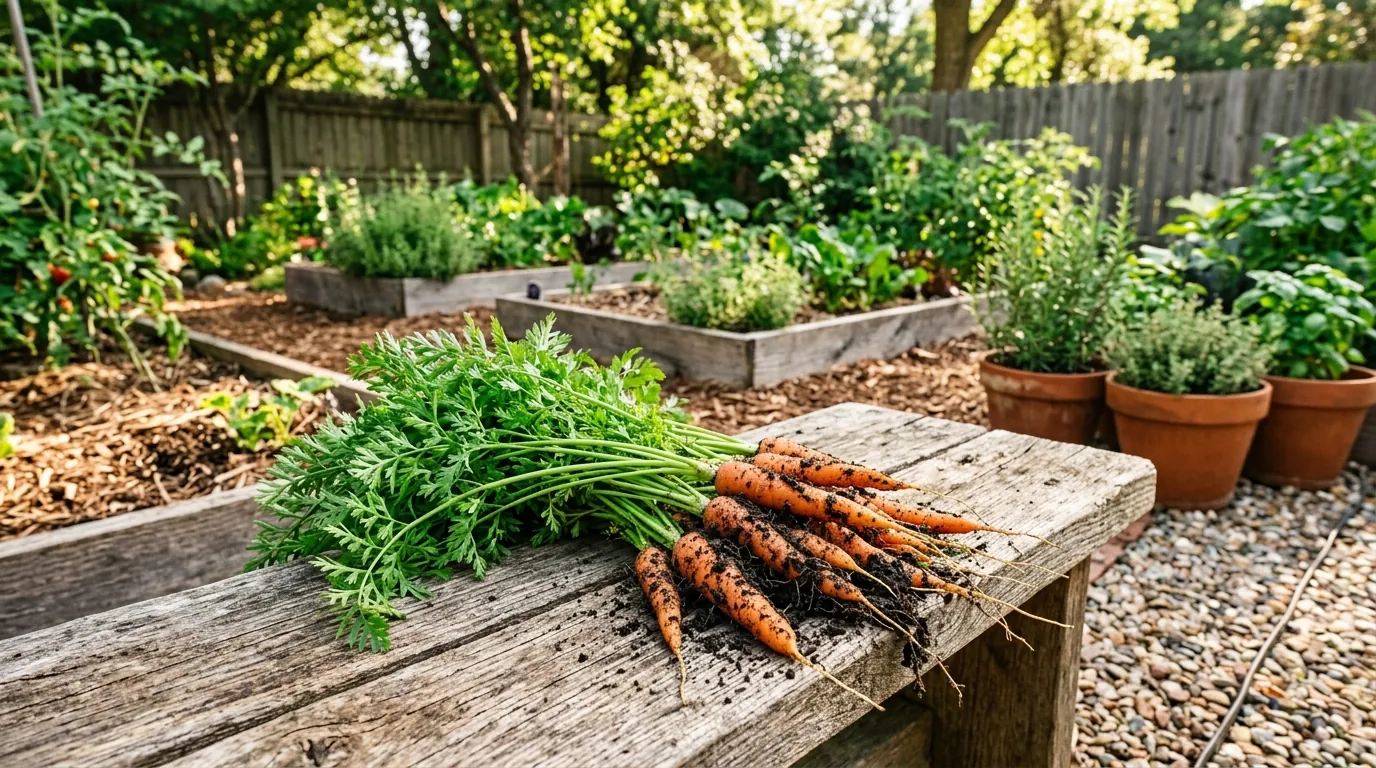
Zone 5 sows carrots in spring and again in summer. The Midwest and the Mountain West sow in April and May and from July to September, the Northeast from March to May and from July to September, the Northern Plains in April and May and in July and August, and Nebraska from February to April and from July to October.
Zone 5 carrots planting months by region
| Planting region | Share of zone 5 | Sow carrots | Last frost, zone 5 ZIP codes | First frost, zone 5 ZIP codes |
|---|---|---|---|---|
| Midwest & Great Lakes Continental, cold winters and warm summers | 43 percent | April and May, then July to September | April 28 | October 11 |
| Northeast & New England Cold winters, warm humid summers | 26 percent | March to May, then July to September | May 9 | October 4 |
| Upper Midwest & Northern Plains Cold continental, short season | 11 percent | April and May, then July and August | May 2 | October 4 |
| Mountain West High-elevation, dry, big day-night swings | 11 percent | April and May, then July to September | May 23 | September 24 |
| Southern Plains Hot summers, two planting seasons | 8 percent | February to April, then July to October | April 30 | October 10 |
Other regions (1 percent of the zone): Alaska.
How we built this table: we placed all 5,306 zone 5 ZIP codes (2023 USDA map) in our planting regions; the months are each region's own calendar and the frost dates are NOAA 1991 to 2020 medians for the zone's ZIP codes there.
Zone 5 carrots are a storage crop
The summer sowing is the one that fills the root cellar. A carrot needs about 85 days, our figure, and zone 5 ZIP codes have a first frost around October 11 in the Midwest and September 24 in the Mountain West. A sowing in mid-July finishes about when frost arrives, which carrots tolerate, and roots grown in the cooler fall are sweeter and keep longer. Autumn cold also converts starch to sugar, so a carrot pulled after several frosts tastes better.
You can leave carrots in the ground well past the first frost. Cover the row with 12 inches of straw or shredded leaves before the soil freezes, and dig as you need them through December or longer, as long as you can still get a fork in the ground. Rodents sometimes nest in the mulch, so check the row from time to time. Carrots intended for the cellar go in damp sand in a cold place, where they keep for months. Danvers 126 and Bolero are the types people choose for storage.
The weak point is germination. Carrot seed takes two to three weeks to sprout in cool spring soil and must stay damp the whole time, and a hard crust after a rain stops the shoots. Cover the seed with fine compost, lay a board over the row until the first green shows and water lightly. In the dry air of Colorado and Wyoming, plan to water daily during the first weeks, and in the wetter Midwest sow into raised rows. Thin to 2 inches (5 cm) apart, our spacing, when the tops are a few inches tall.
Zone 5 carrots questions
Can I plant carrots in March in zone 5?
Only in the Northeast part of the zone and on the Southern Plains: the Northeast sows from March to May and the Southern Plains from February to April. The Midwest, Mountain West and Northern Plains open in April. Carrot seed in cold, wet ground rots or sprouts slowly, so a later sowing often catches up.
What is the last date to sow carrots for fall in zone 5?
Our Midwest, Northeast and Mountain West calendars run from July to September for the second sowing, and the Northern Plains in July and August. For full-size roots aim for the first part of the window. Later sowings make small carrots, which taste good pulled in late fall under mulch.
Growing advice follows published guidance from University of Minnesota Extension and Colorado State University Extension, carrot guidance.
Keep planning
- How to grow carrots: the full guide
- Carrots planting calendar for every region
- Zone 5a planting calendar and zone 5b planting calendar
- All USDA zones and the Frost Lookup by ZIP code
- When to plant carrots in zone 6
- When to plant strawberries in zone 5
- When to plant tomatoes in zone 5
- When to plant garlic in zone 5
- When to plant onions in zone 5
- When to plant peas in zone 5
- When to plant potatoes in zone 5