
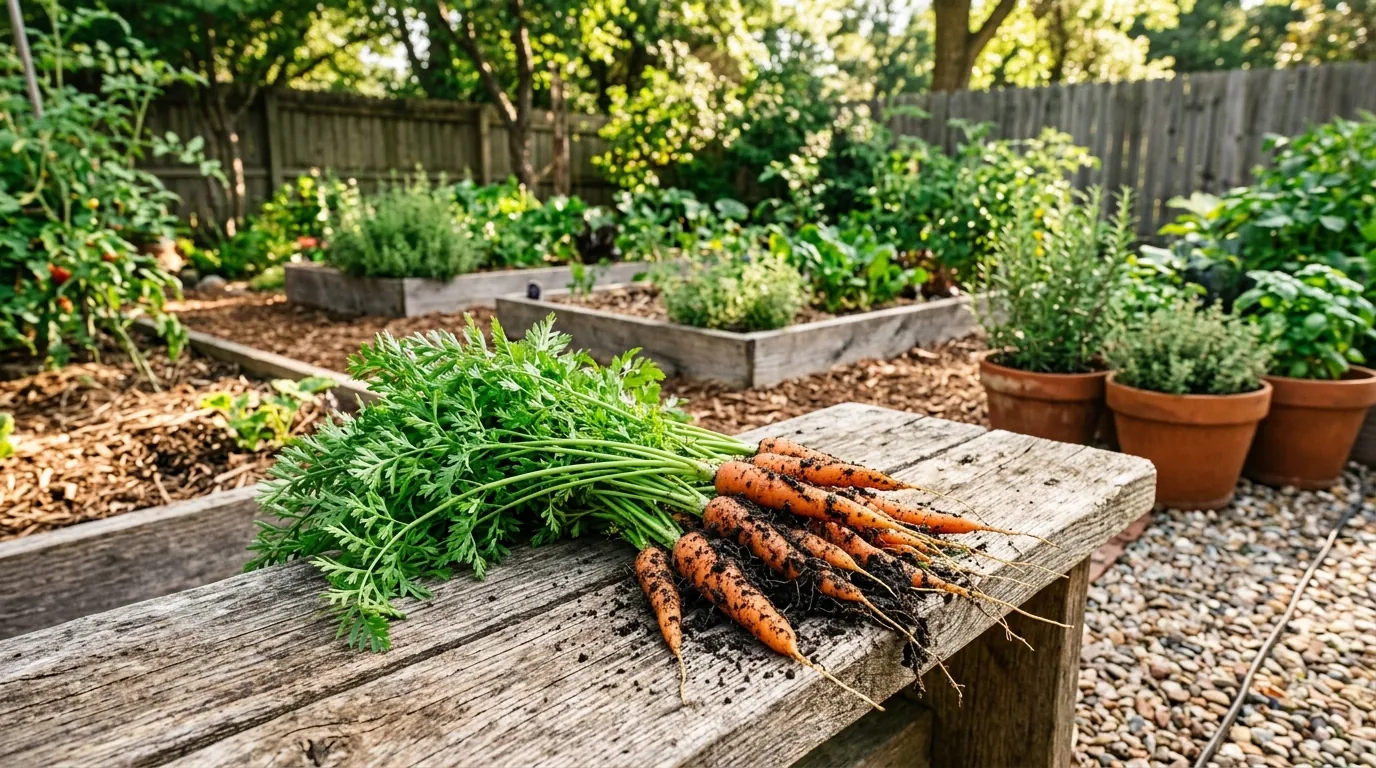
How to Grow Carrots: When to Plant Carrots in the US
Updated October 2026
Sandy Florida soil is actually great for carrots. The trick is keeping the seed moist while it slowly germinates.
Carrots are a cool-season root crop. Across Florida and the warm southern US they grow through the mild months from fall into late winter, when day length is shorter and the heat has eased. The loose, sandy soil that frustrates so many Florida gardeners is exactly what a carrot wants, because the root can push straight down without hitting clods or stones.
The single biggest factor in success is germination. Carrot seed is small and slow, taking one to three weeks to sprout, and the surface of the bed must stay damp the whole time. Get that right and the rest is easy. Sow direct, thin honestly, keep the water steady, and let the cool weather do the sweetening.
In cooler parts of the country carrots are a spring and fall crop instead. Use the climate selector in the tool below to see the sowing window that fits where you garden.
Sowing and thinning calculator
What it looks like as it grows
🌱 Plant profile: Carrot, with sowing times for your region, companion plants and common pests.
When to Plant Carrots in Your Region
Carrots are a cool-season root. North Florida and the Gulf South sow them from August through March, the North sows in spring and again in midsummer for a fall crop, and Alaska sows from May to July. These are the planting months for each of our 18 regions, with each region's frost window. Each region links to its full vegetable planting calendar, and the Carrot plant page shows the calendar for any region you pick.
| Region | Sow seed | Frost window and local note |
|---|---|---|
| North Florida | August to March | February 15 to December 5 |
| Central Florida | September to March | Effectively frost free |
| South Florida | September to February | Effectively frost free |
| Gulf South | August to March | February 25 to December 1 |
| Desert Southwest | January and September to November | February 5 to December 5 |
| Texas | February and September to October | March 1 to November 28 |
| Southern California | January to February and September to November | Effectively frost free |
| Mid-South | February to March and August to September | April 10 to October 25 |
| Pacific Northwest | February to April and July to September | March 25 to November 15 |
| Northeast & New England | March to May and July to September | May 10 to October 15 |
| Mid-Atlantic | February to April and July to October | April 15 to October 25 |
| Midwest & Great Lakes | April to May and July to September | April 30 to October 15 |
| Upper Midwest & Northern Plains | April to May and July to August | May 15 to September 25 |
| Mountain West | April to May and July to September | May 5 to September 30 |
| Southern Plains | February to April and July to October | April 10 to October 30 |
| Northern California & Central Valley | August to March | February 28 to November 17 |
| Hawaii | October to March | Effectively frost free |
| Alaska | May to July | May 15 to September 10 |
North Florida, the Gulf South and Northern California plant carrots between August and March. The Mid-Atlantic and the Southern Plains plant carrots in February to April and July to October. The Midwest and the Mountain West plant carrots in April and May, and July to September.
Position and soil
Carrots want full sun, at least six hours a day, and a deep, loose, stone-free bed. Dig or fork the soil to at least 10 inches and break up any clods. Florida sand is ideal as long as you add compost to hold moisture and feed the crop. Avoid fresh manure, which causes forking and hairy roots. A bed with too much nitrogen grows lush tops and stubby roots, so go easy on rich feed.
Sowing
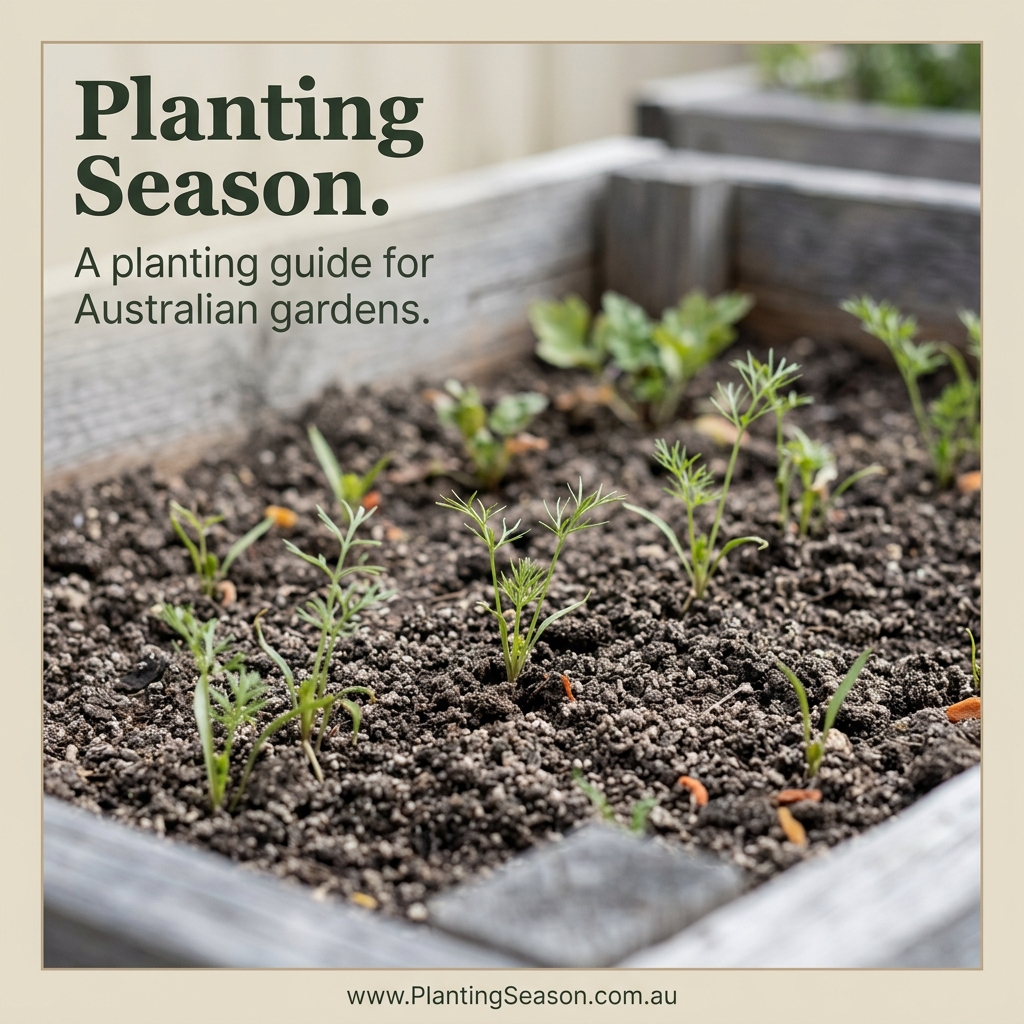
Sow seed shallowly, about a quarter inch deep, directly in the bed. Carrots hate being moved, so do not start them in trays. Keep the surface constantly moist for the one to three weeks they take to germinate, this is the number one success factor. A light cover of burlap or a board can hold moisture until the first seedlings show, then remove it straight away.
Spacing and thinning
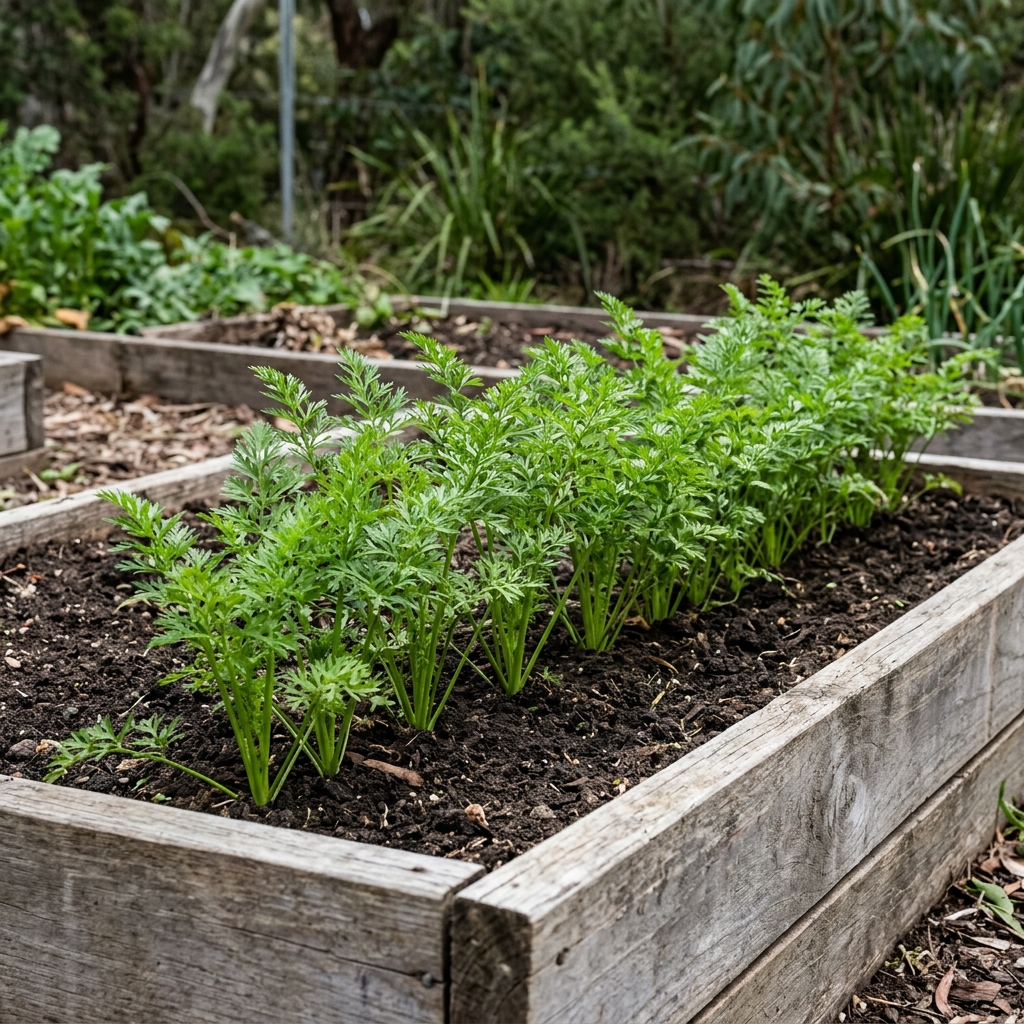
Sow more thickly than you need, then thin in stages. Thin first to about an inch apart once seedlings are a couple of inches tall, then thin again to between 1 and 2 inches so the roots have room to size up. Crowded carrots stay thin and twisted. Snip thinnings at soil level rather than pulling, to avoid disturbing the keepers.
Watering and feeding
Keep the bed evenly moist, never letting the surface dry out while seed germinates and never letting roots sit bone dry as they swell. Uneven watering causes split and cracked roots. A light feed of balanced fertilizer once the tops are established is plenty. Too much nitrogen grows leaves at the expense of root.
Pests and problems
Carrots have few serious pests in Florida. Root-knot nematodes can deform roots in infested sandy soil, so rotate beds, add plenty of compost, and consider a solarisation or cover-crop break in badly affected ground. Forking and splitting are almost always soil or watering problems rather than pests.
Harvest and storage
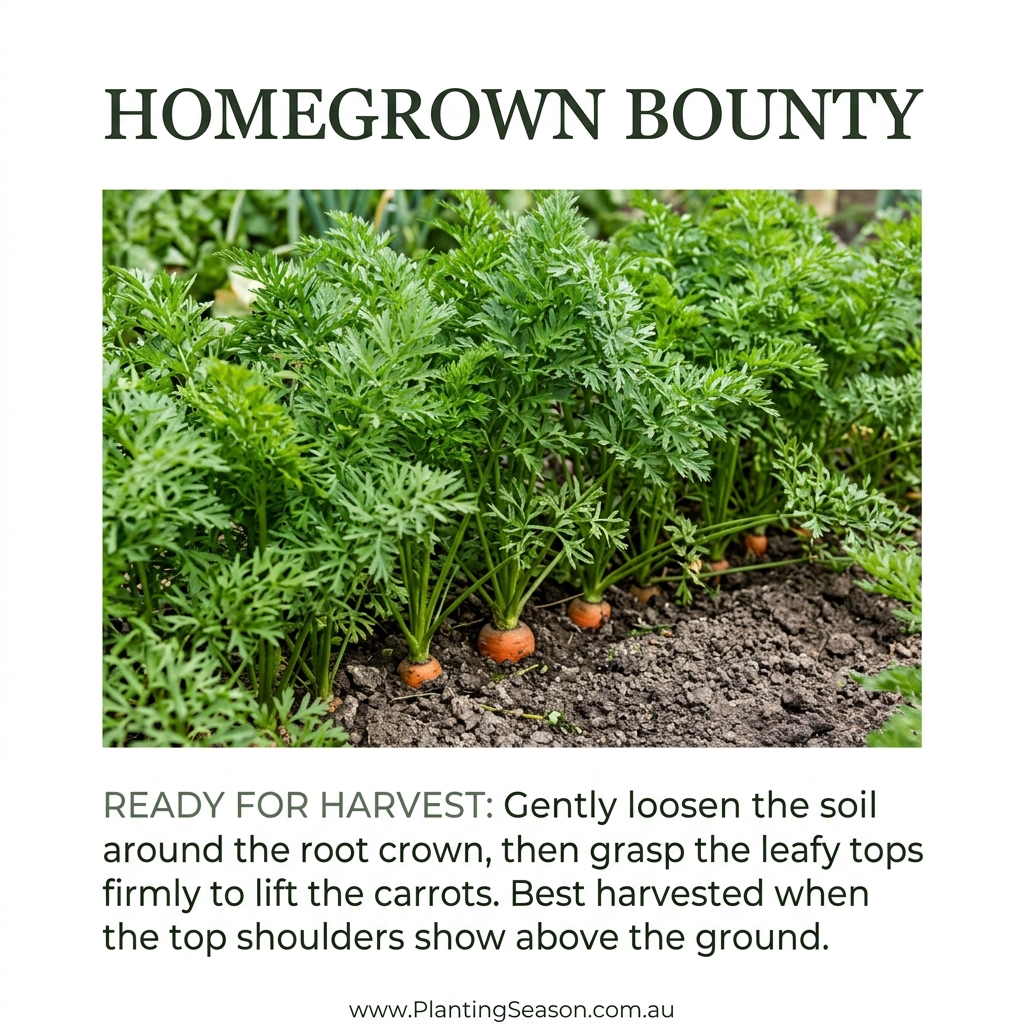
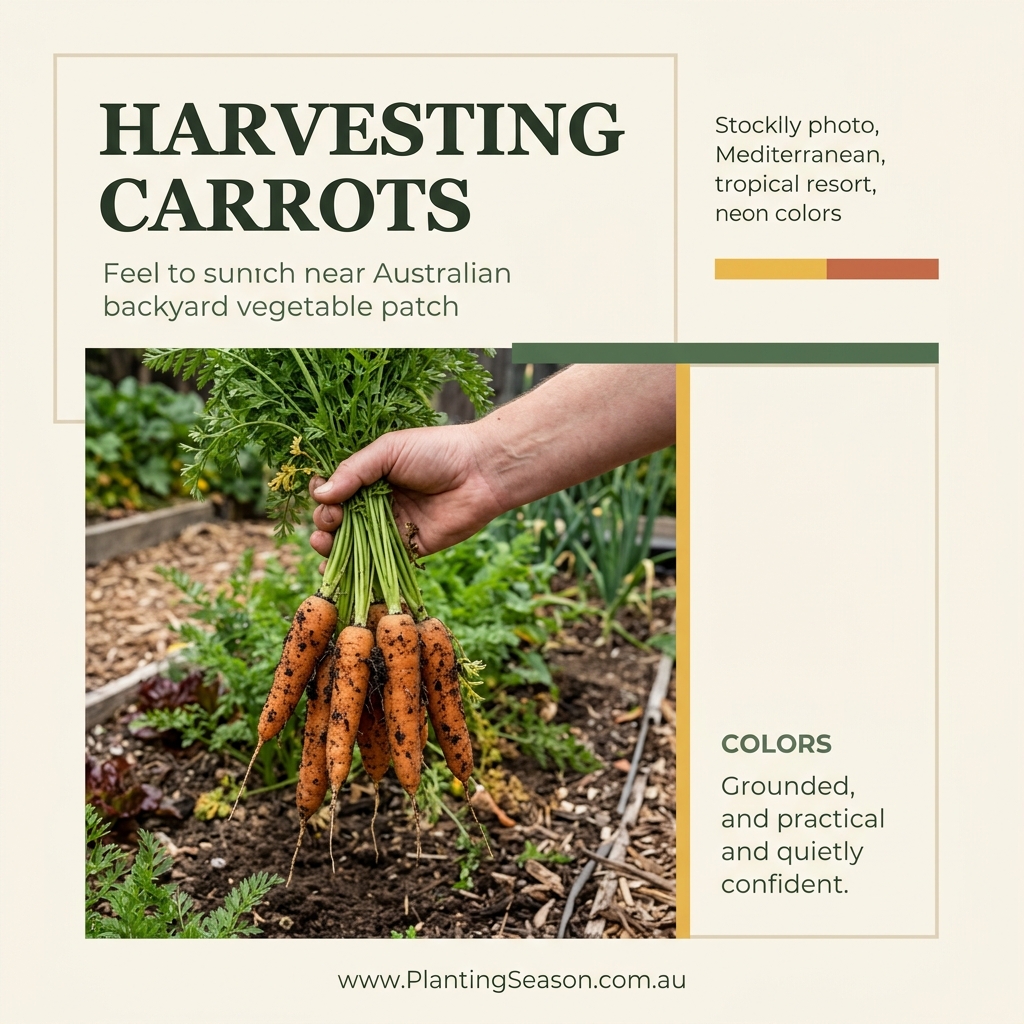
Start pulling from about 85 days, when the shoulders are roughly an inch across. Cool weather sweetens the roots, so they hold well in the ground through winter and you can harvest as needed. Twist off the tops after lifting and store roots in the fridge, where they keep for several weeks.
Varieties to grow
| Variety | Why grow it |
|---|---|
| 'Danvers 126' | Adaptable, handles heavier ground well. |
| 'Nantes' types | Sweet, crisp, blunt-tipped roots. |
| 'Little Finger' | Short type for containers and shallow beds. |
| 'Imperator' | Long roots for deep, loose soil. |
| 'Kuroda' | Heat tolerant, a good choice for the South. |
When to plant by region
This is a warm-US guide. The table below gives Florida sow windows. In other warm zones (USDA 8b to 11) grow carrots through the cool season. In cold-winter zones grow them as a spring and fall crop.
| Region | Sow direct |
|---|---|
| North Florida | Sep to Feb |
| Central Florida | Oct to Feb |
| South Florida | Oct to Jan |
| Cooler US zones | Early spring, and again late summer for a fall crop |
What to Plant with Carrots
Our companion data lists these plants as good neighbors for carrots, and these to keep apart. The lists read both ways, so a plant that names carrots as a companion appears here too. The full companion planting chart for vegetables has the same lists for 55 crops and prints on one sheet.
- Good companions for carrots: Arugula, Beans, Bell Pepper, Chili Pepper, Chives, Green Onion, Leek, Lettuce, Onion, Parsley, Peas, Radish, Rosemary, Sage, Snow Peas, Tomato.
- Keep carrots apart from: Dill, Fennel, Parsnip.
Carrots at a glance
The planting figures for carrot from our plant data, converted to inches and Fahrenheit.
| Planting depth | 1/4 inch |
|---|---|
| Spacing | 2 inches |
| Days to come up | About 18 days |
| Soil temperature for sprouting | 59 to 77°F |
| Days to harvest | About 85 days |
| Frost | Half-hardy |
| Container | At least 12 inches |
Sowing carrot seed
Sow carrot seed directly where it is to grow, because carrots hate being transplanted. Sow shallow, about 1/4 inch deep, and keep the surface moist until the seed comes up; our plant data allows about 18 days, at a soil temperature of 59 to 77°F. Thin the seedlings to about 2 inches apart, and grow carrots in deep, loose, stone-free soil with no fresh manure, which causes forked roots. See why carrots grow forked.
Growing carrots in containers
Carrots grow well in a deep container, at least 12 inches deep according to our plant data. See how to grow carrots in containers.
How long do carrots take to grow?
Our plant data allows about 85 days from sowing to harvest. Lift carrots when the shoulders are colored and finger thick or larger at the crown. Loosen the soil first, then pull from the base of the tops so the root does not snap.
Frequently Asked Questions
When should I plant carrots in Florida?
Carrots are a cool-season root in Florida. Sow seed directly from fall into late winter. North Florida sows September to February, Central Florida October to February, and South Florida October to January.
Why are my carrots forked or twisted?
Forking is caused by stones, clods, or fresh manure in the bed. Work the soil loose and stone-free to at least 10 inches deep and use finished compost rather than raw manure.
Can I grow carrots in containers?
Yes. Short varieties such as Little Finger or Nantes types do well in deep pots and shallow raised beds. Keep the mix loose and the surface evenly moist while seed germinates.
How long do carrots take to grow?
Our plant data allows about 85 days from sowing, when the shoulders are roughly an inch across. Cool weather sweetens the roots and they hold well in the ground through winter.
Why won't my carrot seed germinate?
Carrot seed is slow and needs constant surface moisture for the one to three weeks it takes to sprout. If the top of the soil dries out the seed dies. Water lightly each day and consider a light board or burlap cover until seedlings appear.
How far apart should I thin carrots?
Thin seedlings to between 1 and 2 inches apart so the roots have room to size up. Crowded carrots stay thin and stunted.
Do I need to start carrots indoors?
No. Carrots resent transplanting and should be sown directly where they will grow. Direct sowing avoids root disturbance and gives straighter roots.
Can I grow carrots outside Florida?
Yes. In warm USDA zones 8b to 11 grow carrots as a cool-season crop in fall and winter. In cooler zones grow them as a spring and fall crop, sowing in early spring and again in late summer for a fall harvest.
Source: UF/IFAS Florida Vegetable Gardening Guide (SP 103).
When should I plant carrots?
North Florida, the Gulf South and Northern California plant carrots between August and March. The Mid-Atlantic and the Southern Plains plant carrots in February to April and July to October. The Midwest and the Mountain West plant carrots in April and May, and July to September. The table on this page lists all 18 regions with their months.
Can I plant carrots in October?
Yes, in 11 of our 18 regions: North Florida, Central Florida, South Florida, the Gulf South, the Desert Southwest, Texas, Southern California, the Mid-Atlantic, the Southern Plains, Northern California and Hawaii. Everywhere else our calendar has no October planting for carrots; the table on this page shows each region's months.
See also
Plant profile
The carrot profile has sowing times for your region, companion plants and common pests.