
Broody Hen: How to Tell, How to Hatch Eggs and How to Break a Broody
Sitting hens: spot one, use her, or send her back to laying
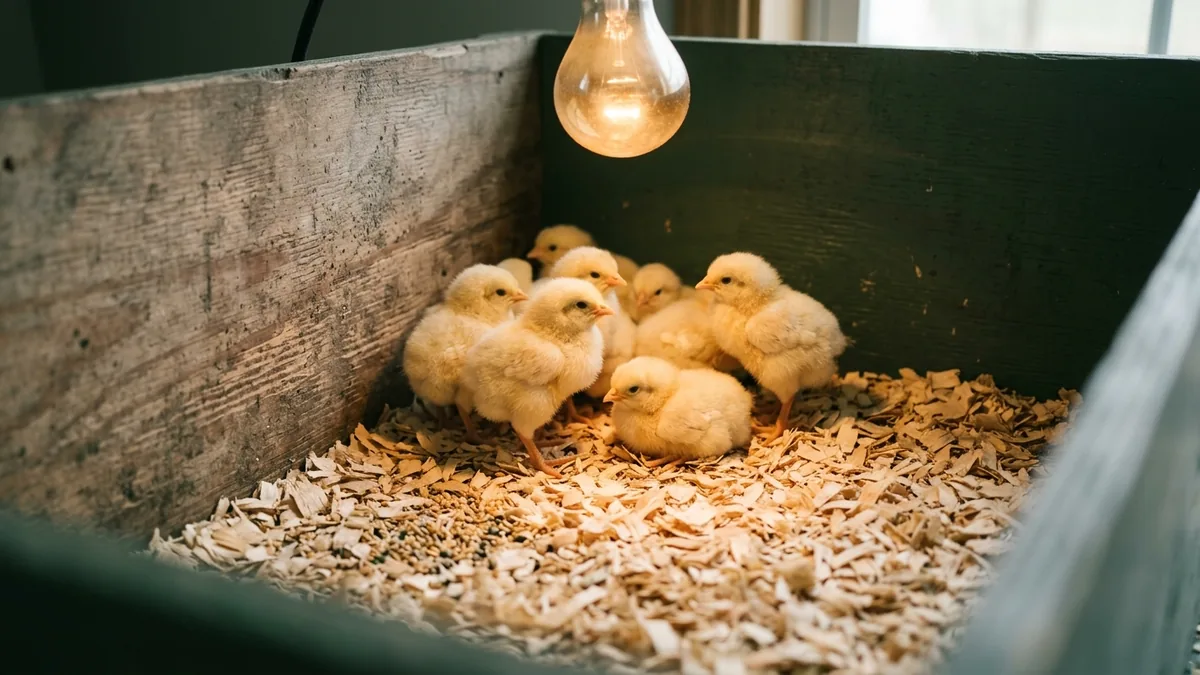
A broody hen is a hen that has decided to hatch eggs. She stays on the nest, puffs out her feathers, growls when you reach under her and stops laying. For a keeper this is either a problem to solve or the easiest way to raise chicks, because a good broody does the work of an incubator and then looks after the chicks as well. The advice below follows the University of Maine Cooperative Extension bulletin on hatching your own chicks and the extension material on incubation timing.
Signs your hen is broody
- She stays on the nest most of the day and all night, even when there are no eggs under her.
- She fluffs her feathers, flattens herself and growls or pecks when you reach under her.
- She leaves the nest only about once a day, to eat, drink and dust bathe, and often makes a lot of noise when she does.
- Her breast feathers thin out where she has plucked them to line the nest.
- She stops laying. A hen can be broody in any season, though spring and early summer are the most common.
Some breeds go broody far more readily than others. Silkies, Orpingtons, Cochins and Brahmas are known for it, while Leghorns and most production hybrids rarely sit. Our chicken breed profiles list the broodiness of each breed.
Setting a broody hen to hatch eggs
The extension advice is to move her to a quiet, safe nest of her own, away from other birds, rodents and the dog. Do not leave her in the main pen, because other hens will lay in her nest and fighting breaks eggs. Choose a box that suits her size: too big and the eggs roll away, too small and she is cramped and may break them.
- Move her after dark and give her three or four dummy eggs for the first night.
- Check the next morning. If she is sitting tight, she can have the fertile eggs the following evening.
- Set the eggs together so they hatch together. Ten to twelve eggs is the University of Maine guide for a large hen or a bantam with eggs of her own size.
- Mark the date. Day 21 after she starts sitting is the hatch date, and the hatch date calculator will work it out.
- Put food and water next to the nest. She will take a break once a day, so keep layer pellets and clean water within a few steps.
- Do not disturb her after day 19. Some chicks need a little longer than day 21.
Candling under a broody
You can candle a sitting hen's eggs just as you would in an incubator, and day 7 is the usual first look. Lift the hen gently, take out two or three eggs at a time and put them back quickly. Remove clear eggs so she is not wasting her time on them. See how to candle eggs for what to look for.
When the chicks hatch
A hen with chicks needs a safe, dry run with a lid, chick starter in a feeder the chicks can reach and a shallow drinker with pebbles so the chicks cannot drown. The hen keeps them warm, so you do not need a heat lamp. In colder states, wait until the nights are mild before she hatches chicks outdoors, since chicks need warmth in the first weeks. Our guide to raising chicks covers feed and the move outdoors.
How to break a broody
If you do not want chicks, break the habit early, because a broody hen that sits for weeks loses condition. These steps are kept in the order to try them.
- Lift her off the nest several times a day and block the nest box at night.
- Collect eggs every time you visit so there is nothing to sit on.
- If she keeps going back, move her for a few days to a cage in the middle of the poultry house or run, with food and water and no nesting material. Extension advice reports this has worked for many keepers.
- Keep her bright, airy and cool, and check that she eats and drinks. Ask a vet if she looks unwell.
Broodiness is one of several reasons for a drop in eggs, and our guide on why hens stop laying covers the rest.
Common questions
How can I tell if my hen is broody?
She stays on the nest for most of the day and night, puffs up her feathers, growls or pecks if you reach under her, and stops laying. She also leaves the nest only once a day for a short time to eat, drink and dust bathe.
How long does a broody hen sit on eggs?
Chicken eggs hatch 21 days after the hen begins sitting on them. Count from the day she starts, not from the day the eggs were laid.
How many eggs can a broody hen cover?
The University of Maine bulletin suggests a large hen can cover 10 to 12 of her own eggs, and a bantam about the same number of bantam eggs. Check that every egg is covered the morning after you set them.
Do I need a rooster for the eggs to hatch?
Yes, the eggs must be fertile, which needs a rooster running with the hens. A hen will sit on infertile eggs and nothing will hatch, which is why many keepers candle at day 7.
How do I stop a hen being broody?
Remove her from the nest every time you find her there, collect eggs promptly and, if that fails, move her for a few days to an airy cage with food and water and no nesting material. Extension advice reports this has worked for many keepers.
- University of Maine Cooperative Extension, Bulletin 2072, Maine Poultry Facts: Hatching Your Own Chicks, for nest set-up, number of eggs and day counts.
- Ask Extension, broody pullet, for the cage method of breaking a broody and for leaving the hen undisturbed late in the hatch.
- Mississippi State University Extension, Care and Incubation of Hatching Eggs (Dr Tom W. Smith), for hatching eggs and incubation timing.
Keep reading
Incubating chicken eggsCandling eggsEgg float testRaising chicksChicken breedsChickensChicken healthStoring eggsWhy hens stop laying