
Chicken Health: Mites, Molting, Coccidiosis and When to Call a Vet
The daily check, the common problems and a clear line on when a bird needs a veterinarian.
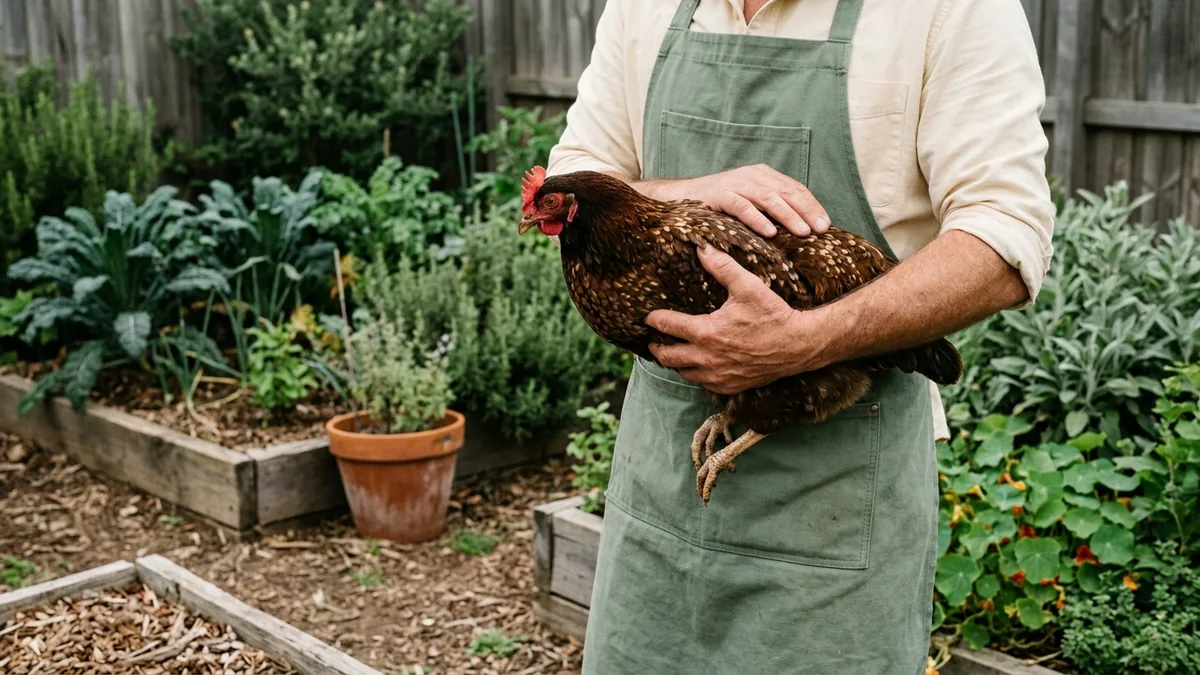
Most backyard hens stay healthy when the coop is dry, the feed is right, the water is clean and someone looks at every bird each day. Chickens hide illness by instinct, so a hen that looks only slightly off at feeding time is often already quite unwell. This guide gives you the daily check, then one page for each common problem, written so you can tell what is normal from what needs action.
The two minute daily check
Do this at feeding time, the same way every day, so a change stands out. Healthy birds are busy, bright-eyed and quick to come for food.
| Look at | A healthy bird | Worry if you see |
|---|---|---|
| Comb and wattles | Red, plump and warm (a pale comb is normal in a molting or young hen only if she is otherwise bright) | Pale, purple, black-tipped or scabby |
| Eyes and nostrils | Clear, open and dry | Bubbles, swelling, crust or discharge |
| Posture and movement | Upright, walks freely, tail up | Hunched, fluffed up, tail down, sitting alone, limping |
| Vent and feathers | Clean vent, smooth feathers | Soiled vent, bare patches, small moving specks, scabs |
| Droppings | Firm brown with a white cap, plus the occasional large soft cecal dropping | Bloody, watery, green or foamy droppings for more than a day |
| Appetite and water | Eats and drinks eagerly | Ignores food, drinks very little or a great deal |
| Breathing | Quiet and even | Gasping, rattling, sneezing, open-beak breathing |
Common problems and where to read about them
| Problem | Main signs | Read more |
|---|---|---|
| Mites and lice | Itching, pale comb, dirty vent, fewer eggs, specks on the skin | Chicken mites and lice |
| Molting | Feather loss, pin feathers, laying stops, a scruffy but bright bird | Molting chickens |
| Coccidiosis | Bloody or watery droppings in young birds, huddling, ruffled feathers | Coccidiosis in chickens |
| Egg binding | Straining, tail pumping, penguin stance, no egg | Egg binding in chickens |
| Bumblefoot | Limping, swollen footpad, dark scab on the sole | Bumblefoot in chickens |
| Dust bathing | Flapping and rolling in dry dirt, which is normal and useful | Chicken dust baths |
For a quick symptom lookup, the chicken health symptom checker lists more conditions by sign.
Three more things worth knowing
Worms
Internal worms cause weight loss, pale combs and a drop in laying in a bird that is eating well. A fecal egg count from your veterinarian shows whether worming is needed and which product suits, so you are not guessing. Any wormer must be labeled for poultry or prescribed by your veterinarian, and egg withdrawal times apply.
Scaly leg mite
Raised, crusty, thickened scales on the legs and feet point to scaly leg mite. It is slow and uncomfortable, and it is treated with a registered product used as the label directs, or on your veterinarian's advice. The mites spread between birds, so check the whole flock.
Heat and cold
In hot weather, panting, wings held out and lethargy mean heat stress: give shade, cool water in several spots and good airflow. In freezing weather, large combs and wattles can suffer frostbite, which shows as pale then dark, hard tissue. Dry, draft-free ventilation matters more than heat in winter, because damp air is what lets frostbite set in.
When to see a veterinarian
Sudden deaths or many sick birds
If several birds sicken or die quickly, do not handle them with bare hands. Report it to your state veterinarian or to USDA APHIS on 1-866-536-7593. This is how highly pathogenic avian influenza is found early, and the report is free. Keep your flock away from wild waterfowl and their droppings, and wash your hands and change your shoes after handling birds.
Prevention that does most of the work
- Keep litter and bedding dry, and fix any leaking roof or low, wet patch in the run.
- Give each bird enough room: crowding spreads parasites and coccidiosis. Our coop plans cover space per bird.
- Feed a complete feed for the bird's age, with grit and oyster shell on the side for layers. See feed and nutrition and can chickens eat...?.
- Quarantine every new bird away from the flock for at least 30 days before mixing.
- Clean waterers every day and keep feed in a rodent-proof container.
- Give the flock a dry spot for dust bathing.
Frequently asked questions
How do I know if my chicken is sick?
Look for a hunched or fluffed posture, a pale or dark comb, discharge from the eyes or nostrils, a soiled vent, changed droppings, and a bird that stays apart and stops eating. Check every bird daily so you notice a change early.
What are the most common chicken health problems?
External parasites such as mites and lice are the most common, followed by molting that is mistaken for illness, coccidiosis in young birds, egg binding, bumblefoot and respiratory infections.
When should I take a chicken to the vet?
Go the same day for gasping, straining without passing an egg, bloody droppings, a purple comb or a bird that cannot stand. Go within a day or two for limping, swelling, weight loss or a bird that has stopped eating.
Where do I report sick or dead backyard chickens?
If several birds sicken or die suddenly, report it to your state veterinarian or to USDA APHIS on 1-866-536-7593.
- Oklahoma State University Extension, Backyard Flock Production (AFS-8202): routine flock care, parasites and the vent check.
- eXtension poultry health, External Parasites of Poultry: northern fowl mite, red mite, lice and scaly leg mite.
- USDA APHIS, Defend the Flock: biosecurity for backyard flocks and how to report sick birds.
- UC Davis School of Veterinary Medicine, Dr. Cluck's Backyard Chickens: veterinarian-written care guide for backyard flocks.
This page is general information and does not replace a veterinarian. We name no doses and no homemade treatments: use a registered product and follow its label, or ask your vet.
Keep reading
Chicken breed pickerMites and liceMoltingCoccidiosisEgg bindingBumblefootDust bathsCoop design and plansCan chickens eat...?Symptom checkerRaising chicks
See also: Chickens in winter and frostbite.