How to Grow Grapefruit in the US
Updated September 2026
Heat-loving citrus for Florida, the Southwest, California and Hawaii
Grapefruit trees are big, productive citrus that need plenty of summer heat to sweeten. A healthy tree carries a heavy crop, and the fruit can hang on the branches for months, so one tree keeps a household in fruit through winter and spring.
Grapefruit is less cold hardy than sweet orange. Where you garden decides whether it goes in the ground or in a container. Note that grapefruit can interact with some medicines, so check with your doctor or pharmacist if that applies to you.
Where Grapefruit Grows in the US
Grapefruit grows outdoors in Central Florida, where you can plant from September to March, and in South Florida, where the cooler, drier months from October to March let roots settle before the summer rains. Buy certified trees and watch for citrus greening. In the Desert Southwest plant in February, March or October, and wrap or paint the trunk against sunburn. In Southern California it needs summer heat to sweeten, so inland valleys beat the cool coast; plant in March, April or October. Valley heat sweetens grapefruit well in Northern California and the Central Valley; plant from March to May after the last frost and cover young trees on frost nights. Hawaii's lowlands grow it well, planted in spring or fall.
In North Florida and the Gulf South, grapefruit is less cold hardy than orange and too risky outdoors. Grow it in a container you can move under cover, or plant satsuma instead. Ruby Red is a Rio Grande Valley grapefruit: in Texas it grows outdoors only down there, so elsewhere in the state grow it in a container and bring it in for winter. In the Mid-South, the Southern Plains, the Pacific Northwest, the Mid-Atlantic, the Northeast and New England, the Midwest and Great Lakes, the Upper Midwest and Northern Plains and the Mountain West, winters are too cold for citrus outdoors, so grow a dwarf tree in a container and bring it inside for winter. In Alaska keep the container indoors under grow lights. Choose your region below for local planting months.
Varieties to Try
Ruby Red
The original red grapefruit, found in the Rio Grande Valley of Texas. Pink-red flesh, sweet and juicy.
Rio Red
A Texas selection with deeper red flesh that holds its color well. A reliable home garden choice.
Star Ruby
Very dark red flesh and few seeds, with a sweet, rich flavor.
Marsh
The classic white grapefruit. Seedless, juicy and tangy, and a heavy bearer.
Oroblanco
A grapefruit and pomelo cross with sweet, pale flesh and little bitterness. It sweetens with less heat than true grapefruit, which suits cooler parts of California.
Planting
Plant in the months shown for your region. Grapefruit needs full sun, room and soil that drains well. Choose the warmest part of the yard, away from low frost pockets.
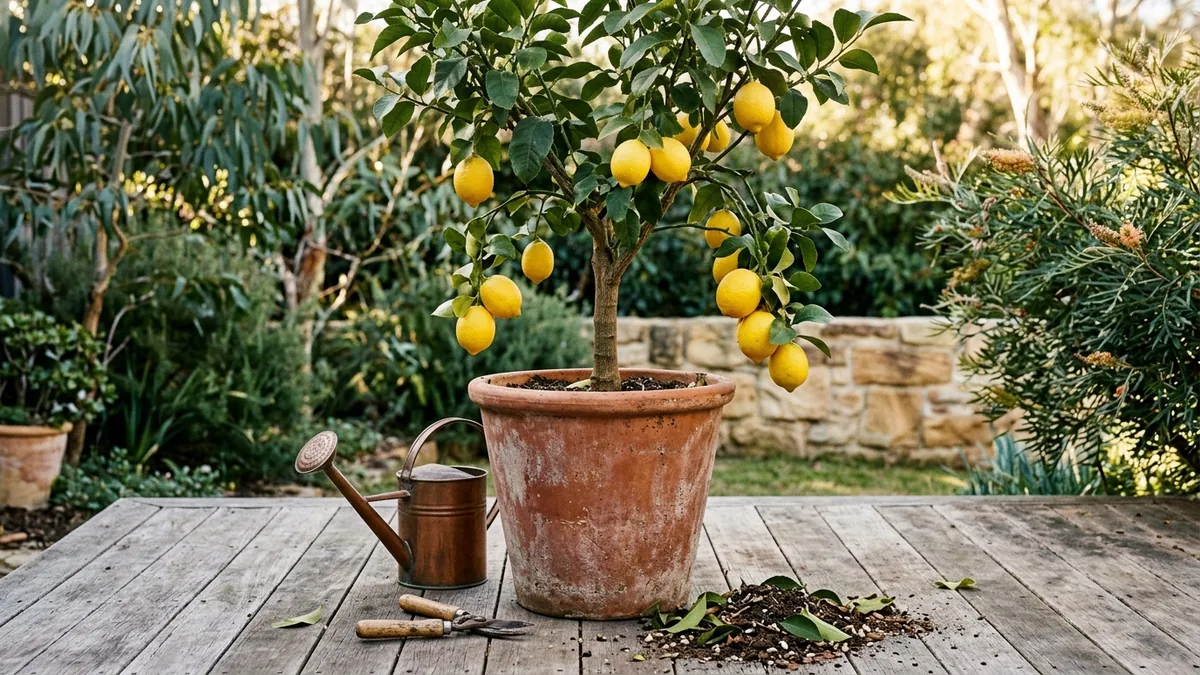
A standard tree grows about 13 to 20 feet tall, so allow about 16 feet from buildings and other trees. Dig a wide hole no deeper than the root ball, keep the graft union above the soil, water in well and mulch, keeping the mulch a few inches clear of the trunk. For a container, choose a dwarf tree and a pot at least 20 inches wide.
Care and Pollination
Pollination: grapefruit is self-fruitful, so one tree sets a full crop.
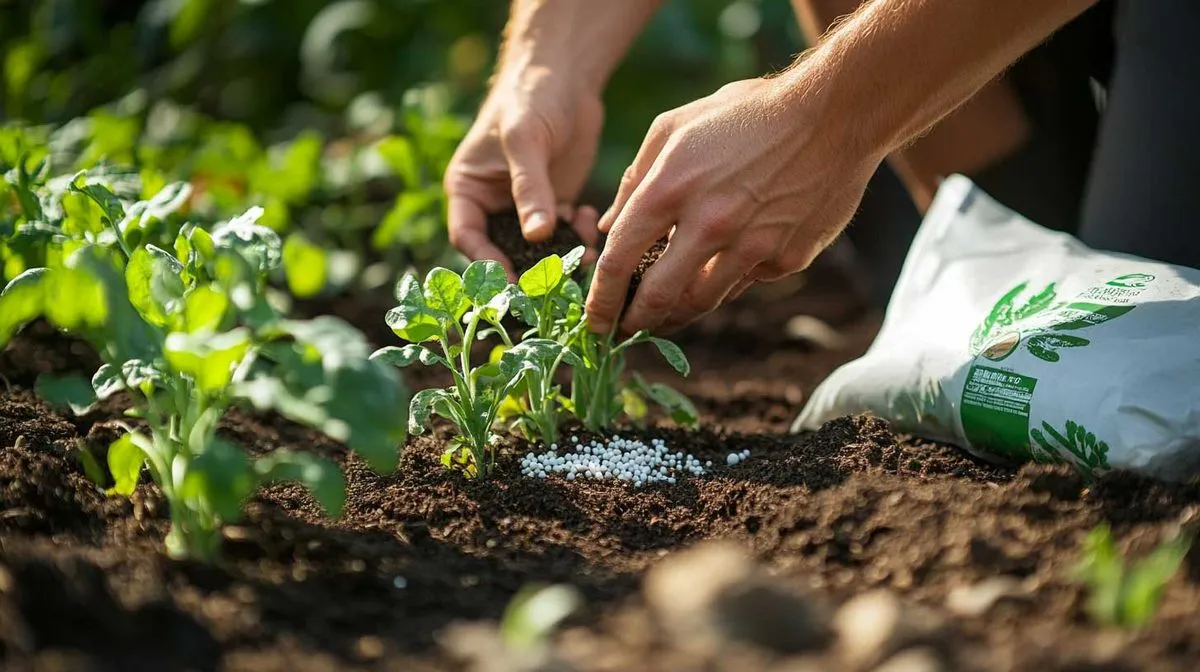
Feeding: Feed three times a year with a citrus-specific fertilizer: in early spring, late spring and midsummer. See our fertilizing guide for more on choosing and using fertilizer.
Water: water deeply and infrequently. A good soak once or twice a week in hot, dry weather suits an established tree better than daily light watering. Mulch to hold moisture.
Pruning: grapefruit needs little pruning. Remove dead wood, which also reduces the melanose fungus, and lift low branches that touch the ground.
Pests and Diseases
These are the problems US gardeners are most likely to meet:
- Asian citrus psyllid: A tiny sap-sucking insect that spreads huanglongbing (HLB), or citrus greening, the most serious citrus disease in the US. There is no cure once a tree is infected. Buy only certified, disease-free trees, do not move citrus plants or cuttings across state or quarantine lines, and report suspected HLB to your local agricultural extension office.
- Citrus canker: A bacterial disease found in Florida that leaves raised, corky spots with a yellow halo on leaves, twigs and fruit. It spreads in wind-driven rain and on tools. Prune out affected shoots in dry weather and clean your pruners between trees.
- Melanose: A fungus that lives in dead twigs and marks fruit with rough, sandpaper-like brown spots in wet weather. The fruit is still good to eat. Prune out dead wood.
- Citrus leafminer: Silvery trails in new leaves. Spray new growth with horticultural oil.
- Scale: Brown or white bumps on stems and leaves. Spray with horticultural oil.
For detailed pest management instructions, see our organic pest management guide.
Harvest and Storage
Depending on variety and region, grapefruit ripens from fall into spring. Color is a poor guide, because ripe fruit can still show green on the peel. Pick one, taste it, and harvest when the flavor is right.
Fruit holds on the tree for months, so pick as you need it. Clip the stem close to the fruit with pruners. Picked grapefruit keeps for 2 to 3 weeks in the fridge.
Track Your Grapefruit Tree
Add grapefruit to your garden in the Planting Season app and get reminders for feeding, pest checks and harvest time.
Open the App →Frequently Asked Questions
Why is my grapefruit sour?
Grapefruit needs long, hot summers and time on the tree to sweeten. Fruit picked early or grown in a cool coastal garden stays sour. Leave the crop on the tree longer and taste one fruit before picking.
Can I grow grapefruit in North Florida or the Gulf South?
It is too risky outdoors there, because grapefruit is less cold hardy than orange. Grow a dwarf tree in a container you can move under cover, or plant a satsuma, which handles the cold much better.
What is the difference between red and white grapefruit?
Red and pink grapefruit such as Ruby Red, Rio Red and Star Ruby have colored flesh and tend to taste sweeter. White grapefruit such as Marsh has pale flesh and a sharper, tangier flavor.
How long does a grapefruit tree take to bear fruit?
A grafted grapefruit tree usually starts bearing about three years after planting, with bigger crops as the tree grows.
See also: Grapefruit Tree in the Plant Library