
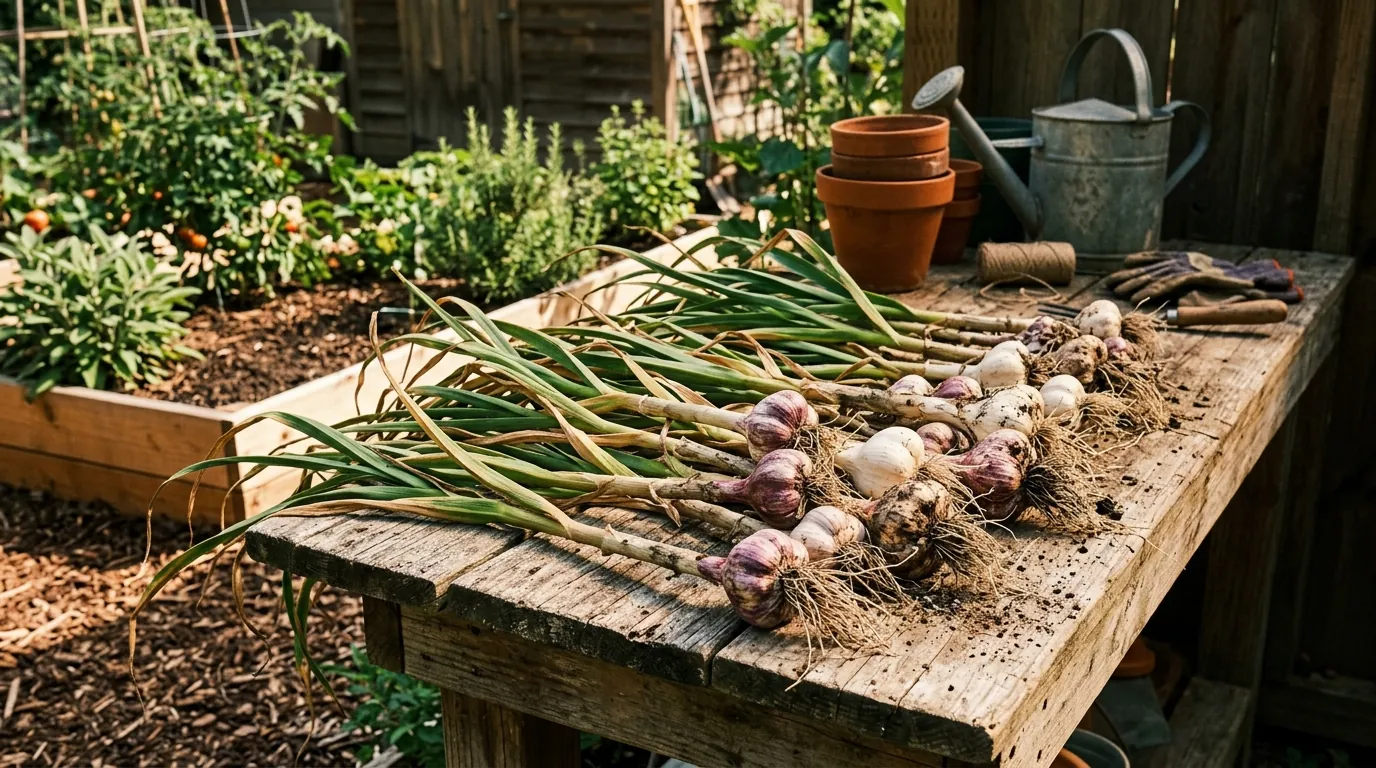
When to Plant Garlic: Fall Planting Guide for Every US Region
Updated October 2026
Garlic is a plant-in-fall, harvest-in-early-summer crop. The right type for your garden depends on how cold your winter gets.
Garlic is one of the most rewarding things to grow because it asks so little. You plant individual cloves in fall, leave them through winter, and lift fat bulbs the following early to mid summer. The one decision that matters most is which type to grow: hardneck garlic for cold-winter northern gardens, and softneck garlic for the mild and warm South, including Florida. Get that right and the rest is easy.
What it looks like as it grows
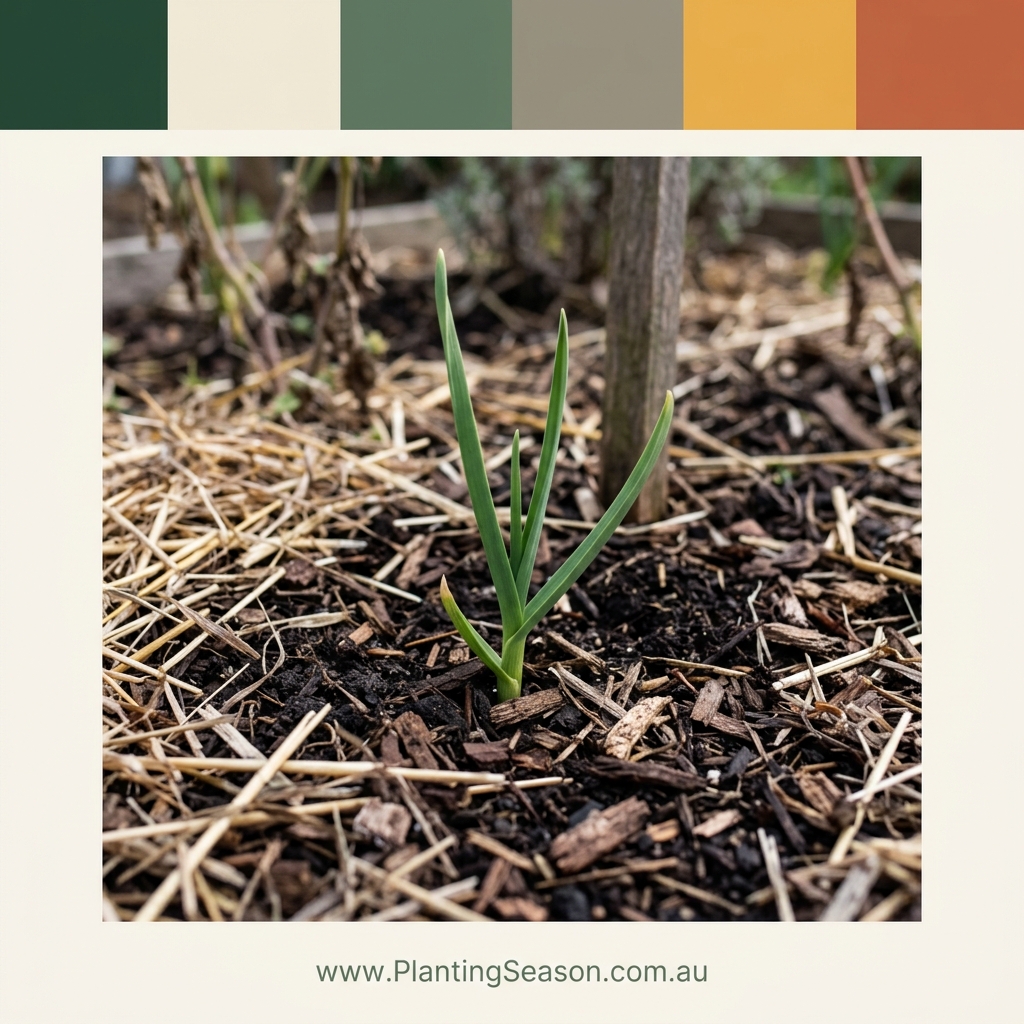
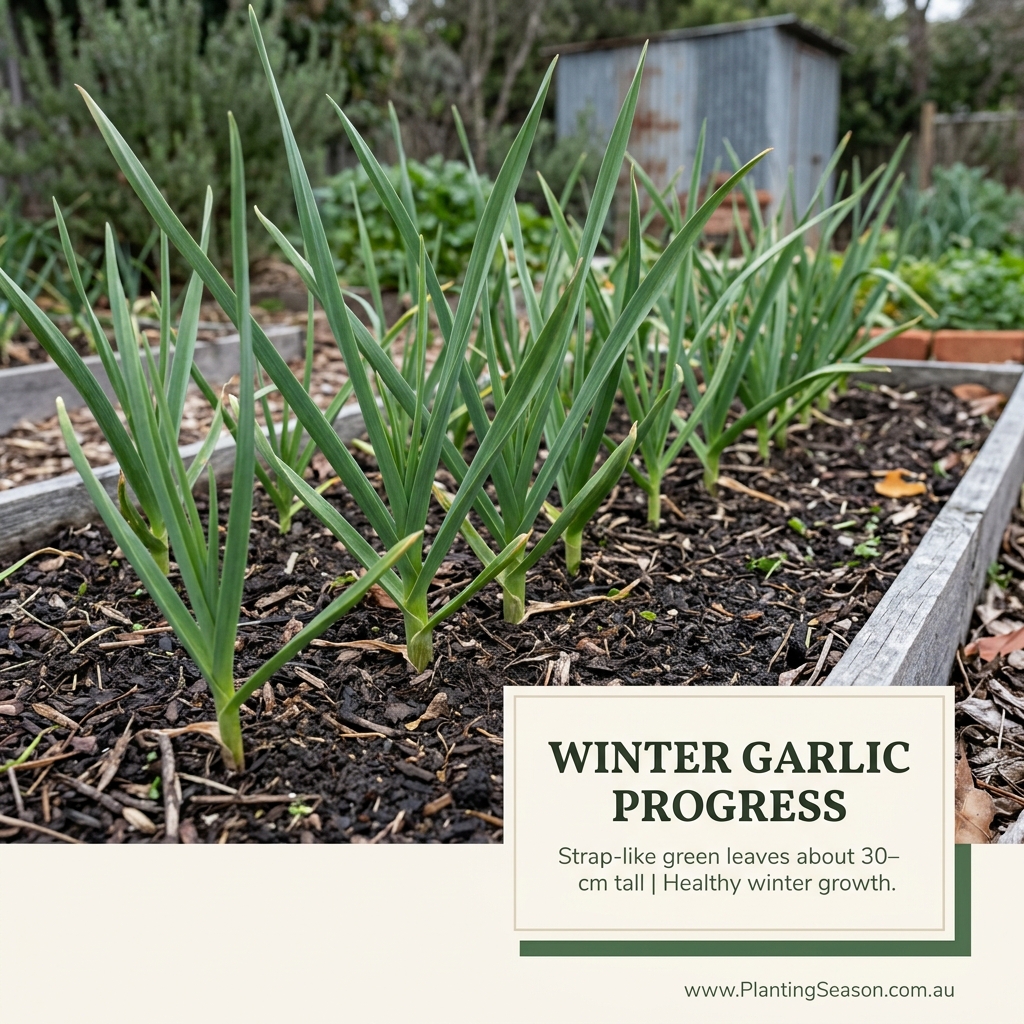
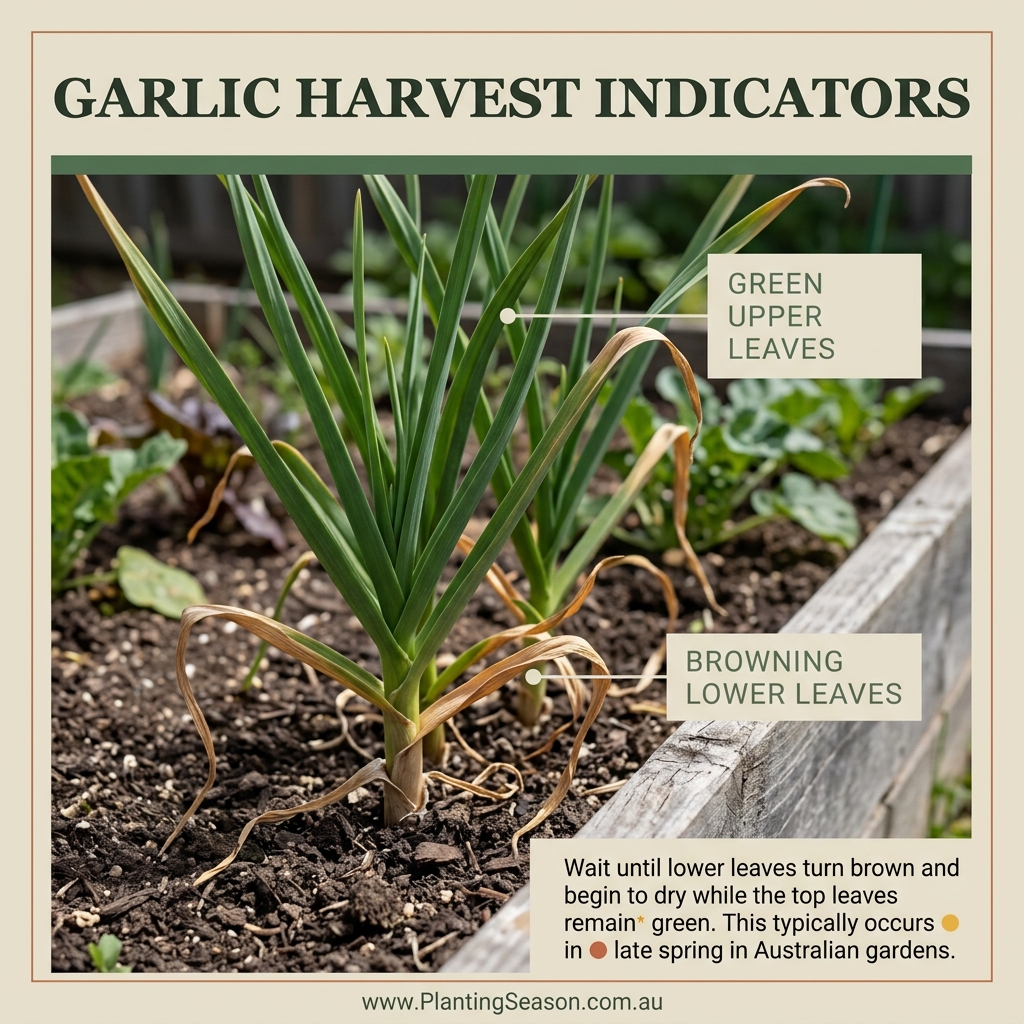
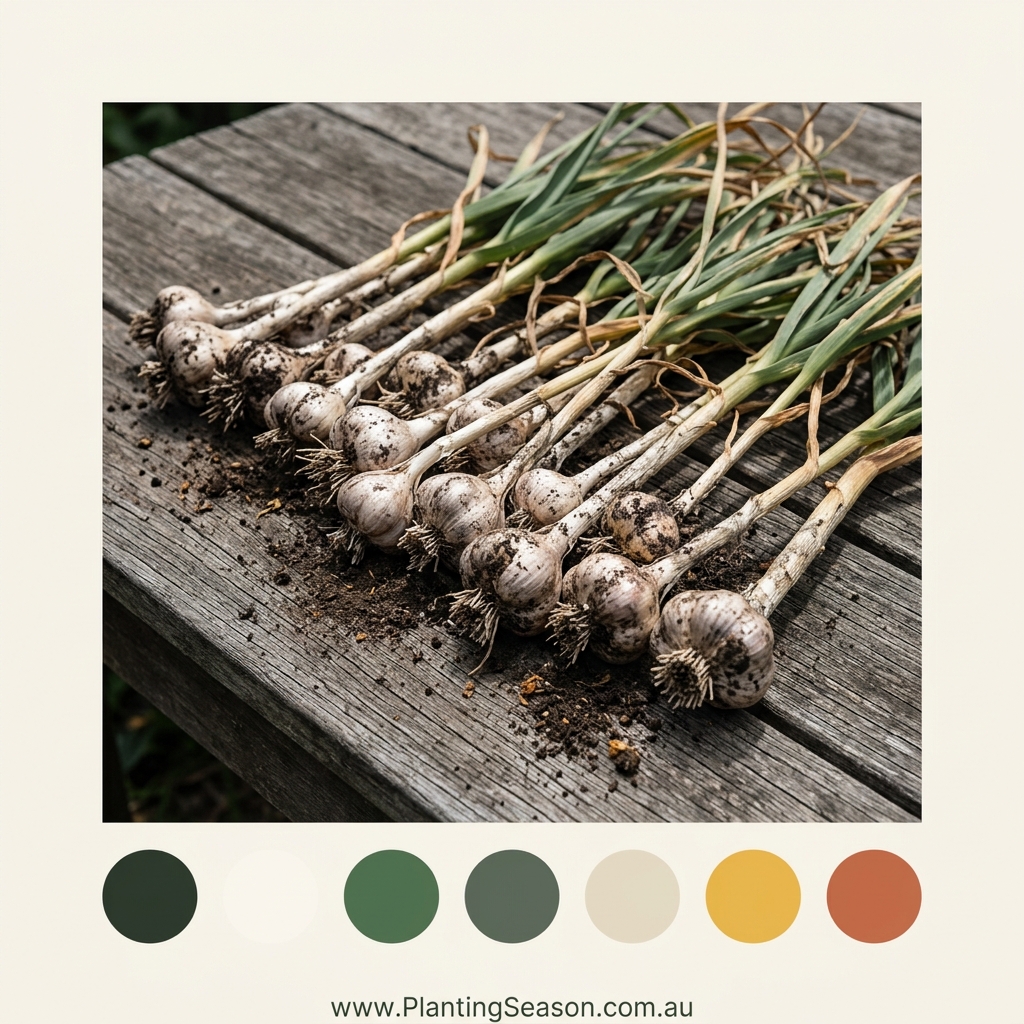
🌱 Plant profile: Garlic, with sowing times for your region, companion plants and common pests.
When to Plant Garlic in Your Region
Garlic goes in during fall in almost every US region, so the cloves can root before winter and bulb up the following year. In the North and the Mountain West the window is short, between September and October, while North and Central Florida and the Gulf South can plant from September to February. The Mid-South is different in our data, with windows in February to March and again in August to September. These are the planting months for each of our 18 regions, with each region's frost window. Each region links to its full vegetable planting calendar, and the Garlic plant page shows the calendar for any region you pick.
| Region | Plant cloves | Frost window and local note |
|---|---|---|
| North Florida | September to February | February 15 to December 5 |
| Central Florida | September to February | Effectively frost free |
| South Florida | October to January | Effectively frost free |
| Gulf South | September to February | February 25 to December 1 |
| Desert Southwest | October to November | February 5 to December 5 |
| Texas | January and October to November | March 1 to November 28 |
| Southern California | January to February and September to November | Effectively frost free |
| Mid-South | February to March and August to September | April 10 to October 25 |
| Pacific Northwest | October to November | March 25 to November 15 |
| Northeast & New England | October | May 10 to October 15 |
| Mid-Atlantic | October to November | April 15 to October 25 |
| Midwest & Great Lakes | October | April 30 to October 15 |
| Upper Midwest & Northern Plains | September to October | May 15 to September 25 |
| Mountain West | September to October | May 5 to September 30 |
| Southern Plains | October to November | April 10 to October 30 |
| Northern California & Central Valley | October to November | February 28 to November 17 |
| Hawaii | October to November | Effectively frost free |
| Alaska | September | May 15 to September 10 |
The Desert Southwest, the Pacific Northwest, the Mid-Atlantic, the Southern Plains, Northern California and Hawaii plant garlic in October and November. North Florida, Central Florida and the Gulf South plant garlic between September and February. The Northeast and New England and the Midwest plant garlic in October. The Upper Midwest and the Mountain West plant garlic in September and October.
Garlic planting calculator and timing
Use the calculator to work out how many cloves and bulbs to buy for your bed, then use the timing selector to find your planting window by region.
How much garlic do I need?
When should I plant garlic?
Hardneck versus softneck
This is the most important choice you will make.
- Hardneck suits cold-winter northern gardens. It needs a proper cold period (vernalization) to bulb, sends up a curling flower stalk called a scape that you snap off and eat, and has bold, complex flavor. It does not store as long as softneck.
- Softneck suits mild and warm climates, including the Deep South, the Gulf and Florida. It usually produces no scapes, stores the longest, and is the type you see braided. It is far more reliable than hardneck where winters are warm.
Position and soil
Give garlic full sun and rich, free-draining soil with plenty of compost worked in. It likes a near-neutral pH around 6.0 to 7.0. Heavy, wet soil leads to rot, so improve drainage or plant in a raised bed if your ground stays soggy.
Planting
- Split a bulb into individual cloves just before planting, keeping the papery skin on. Plant the biggest cloves; they make the biggest bulbs.
- Plant pointed end up, 1 to 2 inches deep, 4 to 6 inches apart in rows about a foot apart.
- In cold zones, mulch with straw after planting to insulate the cloves through winter.
Watering and feeding
Keep the soil evenly moist through the active growing months of spring, then ease off as harvest nears so the bulbs can firm up and the wrappers dry. Garlic is a hungry crop. Feed with a nitrogen-rich feed in early spring as the leaves grow, then stop feeding once the bulbs start to swell.
Pests and problems
Garlic is largely trouble free. The main risks are rot in wet soil, rust on the leaves in humid springs, and onion-family pests. Rotate so you do not grow garlic or onions in the same bed two years running. See the pest management guide for more.
Harvest and curing
Harvest in early to mid summer when the lower leaves brown but several green leaves remain at the top. Each remaining green leaf is a wrapper layer around the bulb, so do not wait until the plant is fully dead. Lift carefully with a fork, brush off soil, and cure the whole plants in a dry, airy, shaded place for two to four weeks. Then trim the roots and tops and store in a cool, dry spot. Softneck types keep for many months.
Varieties for US gardens
Softneck (warm South and Florida, longest storage)
Hardneck (cold North, produces scapes)
Garlic at a glance
The planting figures for garlic from our plant data, converted to inches and Fahrenheit.
| Planting depth | 1 1/4 inches |
|---|---|
| Spacing | 6 inches |
| Days to come up | About 18 days |
| Soil temperature for sprouting | 50 to 68°F |
| Days to harvest | About 210 days |
| Frost | Frost hardy |
| Container | At least 8 inches |
Planting garlic cloves
Split a bulb into individual cloves just before planting and set each one pointed end up, about 6 inches apart, in loose, free-draining soil rich in organic matter. Our plant data gives garlic a soil temperature range of 50 to 68°F for sprouting, and green shoots usually show in about 18 days. Keep the bed weed free, because garlic hates competition, and water steadily while the leaves grow, then ease off as the bulbs fatten so they do not rot.
Growing garlic in containers
Garlic grows in a pot at least 8 inches across, as long as it drains freely. Our garlic in containers guide covers pot size, mix and watering.
How long does garlic take to grow?
Garlic is a slow crop. Our plant data allows about 210 days, around seven months, from planting to harvest, which is why a fall planting is lifted the following year. Lift when the lower leaves turn brown but the top five or six are still green, loosen the soil with a fork, ease the bulbs out and cure them in a dry, airy spot for a few weeks before storing.
Common questions
When do I plant garlic?
In fall, 4 to 6 weeks before the ground freezes or before the first hard frost. Cold North gardens plant September to November, the Mid-Atlantic October to November, and the Deep South and Florida October to December, sometimes into January.
Should I grow hardneck or softneck garlic?
Hardneck for cold-winter northern gardens, where it needs the cold to bulb and gives you scapes. Softneck for the mild and warm South and Florida, where it is more reliable and stores the longest.
Can I grow garlic in Florida?
Yes, with softneck types. Because Florida winters are often too mild to trigger bulbing, pre-chill the seed garlic in the fridge for several weeks before planting.
Can I plant garlic from the grocery store?
It is better to buy seed garlic, which is disease-free and suited to planting. Grocery garlic may be treated to stop it sprouting and can carry disease, and is often a softneck of unknown origin.
How long does garlic take to grow?
Our plant data allows about 210 days, around seven months, from planting to harvest. You plant in fall and harvest the following year when the lower leaves brown but several green ones remain.
Why did my garlic make one round instead of a bulb?
It did not get enough cold to split into cloves. This is common with hardneck in warm regions. Switch to softneck and pre-chill the seed garlic before planting.
How do I cure and store garlic?
Cure the whole plants in a dry, airy, shaded place for two to four weeks, then trim and store in a cool, dry spot. Softneck types keep for many months.
Source: UF/IFAS Gardening Solutions, Garlic; UF/IFAS Florida Vegetable Gardening Guide (SP 103).
See also: Garlic in the plant library →
Can I plant garlic in October?
Yes, in 16 of our 18 regions: North Florida, Central Florida, South Florida, the Gulf South, the Desert Southwest, Texas, Southern California, the Pacific Northwest, the Northeast and New England, the Mid-Atlantic, the Midwest, the Upper Midwest, the Mountain West, the Southern Plains, Northern California and Hawaii. Everywhere else our calendar has no October planting for garlic; the table on this page shows each region's months.
Can I plant garlic in spring?
In most regions our calendar plants garlic in fall only. A late winter or spring planting appears in our data for North Florida (February), Central Florida (February), the Gulf South (February), Southern California (February) and the Mid-South (February to March). Garlic planted then has less time to grow before it bulbs, so fall is the main planting.
Related guides
See what to plant this month
Pick your region for a month-by-month calendar tuned to your climate.
Find your region →Plant profile
The garlic profile has sowing times for your region, companion plants and common pests.