
Mid-South Vegetable Planting Calendar: What to Plant Now
Month-by-month planting calendar for Mid-South. 161 crops with sow windows for a warm temperate climate.
This is our Mid-South vegetable planting calendar for Atlanta, the Carolina Piedmont, Tennessee and Arkansas. It starts with what vegetables to plant now in the Mid-South, then goes through the whole year, with planting windows set for a climate that is warm temperate, across USDA zones 7a to 8b. Further down you will find a sowing chart for popular vegetables, local timing notes, frost dates by ZIP code and a season-by-season guide, all from the same data that runs the Planting Season app. This is a first-pass calendar built from regional extension guidance and under local review, so treat it as a strong first draft.
Monthly Planting Calendar
The Mid-South (Atlanta, the Carolina Piedmont, Tennessee and Arkansas, USDA 7a-8b) is a warm-temperate climate with two clear planting seasons split by a hot, humid summer and a real winter. A spring planting follows the last frost (around late March to early April) and a fall planting goes in from mid-summer for harvest into late fall. Hardy greens and garlic overwinter. These windows are a first-pass estimate from regional extension guidance (UGA and neighbors) and are being reviewed locally.
Month-by-month vegetable planting calendar for the Mid-South
Every vegetable in our Mid-South calendar, grouped by the month you can sow or plant it. Each month links to its full page with herbs, fruit and flowers.
| Month | Vegetables to sow or plant | Count |
|---|---|---|
| January | No vegetable sowings this month | 0 |
| February | Arugula, Asparagus, Beet, Bok Choy, Broccoli, Broccolini, Brussels Sprouts, Cabbage, Carrot, Cauliflower, Chicory, Collard Greens, Daikon, Endive & Escarole, Fava Beans, Fennel (Herb), Florence Fennel, Gai Lan (Chinese Broccoli), Horseradish, Kale, Kohlrabi, Komatsuna, Lettuce, Mibuna, Mustard Greens, Napa Cabbage, Onion, Peas, Potato, Radicchio, Radish, Rhubarb, Rutabaga, Snow Peas, Sorrel, Spinach, Sunchoke, Tatsoi, Turnip, Watercress | 40 |
| March | Arugula, Asparagus, Beet, Bok Choy, Broccoli, Broccolini, Brussels Sprouts, Cabbage, Carrot, Cauliflower, Chicory, Collard Greens, Daikon, Endive & Escarole, Fava Beans, Fennel (Herb), Florence Fennel, Gai Lan (Chinese Broccoli), Globe Artichoke, Green Onion, Hamburg Parsley, Horseradish, Kale, Kohlrabi, Komatsuna, Leek, Lettuce, Mibuna, Mizuna, Mustard Greens, Napa Cabbage, Onion, Parsnip, Peas, Potato, Radicchio, Radish, Rhubarb, Rutabaga, Salsify, Scorzonera, Shallot, Snow Peas, Sorrel, Spinach, Sunchoke, Swiss Chard, Tatsoi, Turnip, Watercress | 50 |
| April | Arrowroot, Bell Pepper, Bitter Melon, Brazilian Spinach, Bush Beans, Celeriac, Celery, Chayote, Chili Pepper, Cucumber, Edamame, Eggplant, Globe Artichoke, Green Onion, Hamburg Parsley, Hyacinth Bean (Lablab), Jicama, Leek, Lima Beans, New Zealand Spinach, Parsnip, Peanuts, Popcorn, Pumpkin, Salsify, Scarlet Runner Bean, Scorzonera, Shallot, Sorghum, Squash, Sweet Corn, Swiss Chard, Tomatillo, Tomato, Water Chestnut, Zucchini | 36 |
| May | Amaranth, Arrowroot, Bell Pepper, Bitter Melon, Brazilian Spinach, Bush Beans, Cantaloupe, Chayote, Chili Pepper, Cucumber, Edamame, Eggplant, Ginger, Hyacinth Bean (Lablab), Jicama, Lima Beans, Luffa (Loofah), Malabar Spinach, New Zealand Spinach, Okra, Peanuts, Popcorn, Pumpkin, Scarlet Runner Bean, Sorghum, Southern Peas, Squash, Sweet Corn, Sweet Potato, Taro, Tomatillo, Tomato, Turmeric, Water Chestnut, Watermelon, Winged Beans, Yardlong Beans, Zucchini | 38 |
| June | Amaranth, Bell Pepper, Bitter Melon, Brazilian Spinach, Bush Beans, Cantaloupe, Chayote, Chili Pepper, Cucumber, Edamame, Eggplant, Ginger, Hyacinth Bean (Lablab), Jicama, Lima Beans, Luffa (Loofah), Malabar Spinach, New Zealand Spinach, Okra, Peanuts, Popcorn, Pumpkin, Sorghum, Southern Peas, Squash, Sweet Corn, Sweet Potato, Taro, Tomatillo, Tomato, Turmeric, Watermelon, Winged Beans, Yardlong Beans, Zucchini | 35 |
| July | Amaranth, Broccoli, Broccolini, Brussels Sprouts, Cabbage, Cantaloupe, Cauliflower, Gai Lan (Chinese Broccoli), Kohlrabi, Luffa (Loofah), Malabar Spinach, Mustard Greens, Napa Cabbage, Okra, Southern Peas, Watermelon, Yardlong Beans | 17 |
| August | Arugula, Beet, Bok Choy, Broccoli, Broccolini, Brussels Sprouts, Cabbage, Carrot, Cauliflower, Celeriac, Celery, Chicory, Collard Greens, Daikon, Endive & Escarole, Fava Beans, Fennel (Herb), Florence Fennel, Gai Lan (Chinese Broccoli), Hamburg Parsley, Kale, Kohlrabi, Komatsuna, Lettuce, Mibuna, Mizuna, Mustard Greens, Napa Cabbage, Parsnip, Peas, Potato, Radicchio, Radish, Rutabaga, Salsify, Scorzonera, Snow Peas, Sorrel, Spinach, Tatsoi, Turnip, Watercress | 42 |
| September | Arugula, Beet, Bok Choy, Carrot, Chicory, Collard Greens, Daikon, Endive & Escarole, Fava Beans, Fennel (Herb), Florence Fennel, Green Onion, Hamburg Parsley, Kale, Komatsuna, Leek, Lettuce, Mibuna, Mizuna, Onion, Parsnip, Peas, Potato, Radicchio, Radish, Rutabaga, Salsify, Scorzonera, Snow Peas, Sorrel, Spinach, Swiss Chard, Tatsoi, Turnip, Watercress | 35 |
| October | Arugula, Bok Choy, Chicory, Collard Greens, Endive & Escarole, Fennel (Herb), Garlic, Kale, Komatsuna, Leek, Lettuce, Mibuna, Mizuna, Onion, Radicchio, Shallot, Sorrel, Spinach, Tatsoi, Watercress | 20 |
| November | Garlic | 1 |
| December | No vegetable sowings this month | 0 |
Mid-South vegetable sowing chart
36 popular crops, with the months you can sow or plant them in the Mid-South. Shaded months are open planting windows, and the last column spells them out. Where our data says a crop is set out as transplants, the window is the transplanting window.
| Crop | Jan | Feb | Mar | Apr | May | Jun | Jul | Aug | Sep | Oct | Nov | Dec | Sow or plant |
|---|---|---|---|---|---|---|---|---|---|---|---|---|---|
| Tomato | Apr to Jun | ||||||||||||
| Bell Pepper | Apr to Jun | ||||||||||||
| Chili Pepper | Apr to Jun | ||||||||||||
| Eggplant | Apr to Jun | ||||||||||||
| Zucchini | Apr to Jun | ||||||||||||
| Squash | Apr to Jun | ||||||||||||
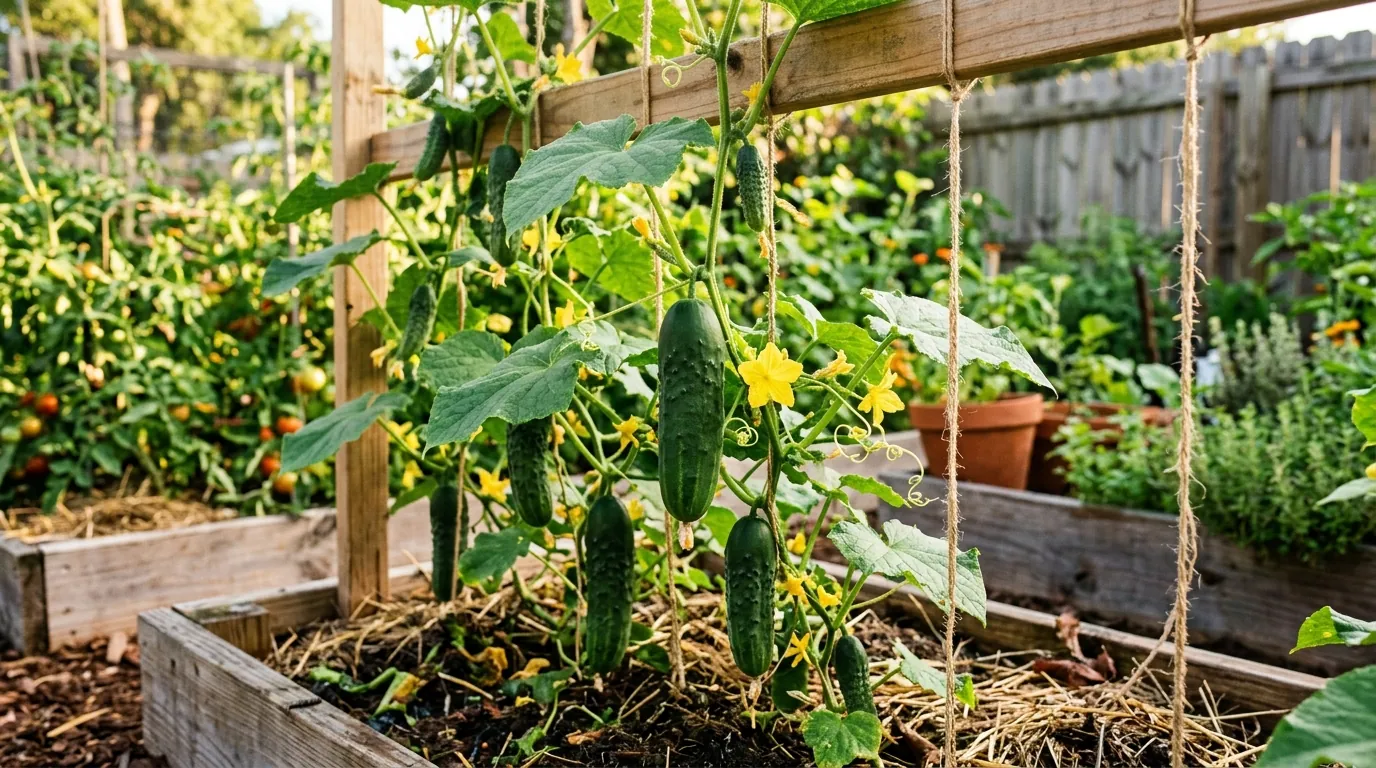
| Cucumber | Apr to Jun | ||||||||||||
| Pumpkin | Apr to Jun | ||||||||||||
| Sweet Corn | Apr to Jun | ||||||||||||
| Bush Beans | Apr to Jun | ||||||||||||
| Peas | Feb to Mar and Aug to Sep | ||||||||||||
| Snow Peas | Feb to Mar and Aug to Sep | ||||||||||||
| Okra | May to Jul | ||||||||||||
| Southern Peas | May to Jul | ||||||||||||
| Lettuce | Feb to Mar and Aug to Oct | ||||||||||||
| Spinach | Feb to Mar and Aug to Oct | ||||||||||||
| Swiss Chard | Mar to Apr and Sep | ||||||||||||
| Kale | Feb to Mar and Aug to Oct | ||||||||||||
| Collard Greens | Feb to Mar and Aug to Oct | ||||||||||||
| Broccoli | Feb to Mar and Jul to Aug | ||||||||||||
| Cabbage | Feb to Mar and Jul to Aug | ||||||||||||
| Cauliflower | Feb to Mar and Jul to Aug | ||||||||||||
| Carrot | Feb to Mar and Aug to Sep | ||||||||||||
| Beet | Feb to Mar and Aug to Sep | ||||||||||||
| Radish | Feb to Mar and Aug to Sep | ||||||||||||
| Turnip | Feb to Mar and Aug to Sep | ||||||||||||
| Onion | Feb to Mar and Sep to Oct | ||||||||||||
| Garlic | Oct to Nov | ||||||||||||
| Potato | Feb to Mar and Aug to Sep | ||||||||||||
| Sweet Potato | May to Jun | ||||||||||||
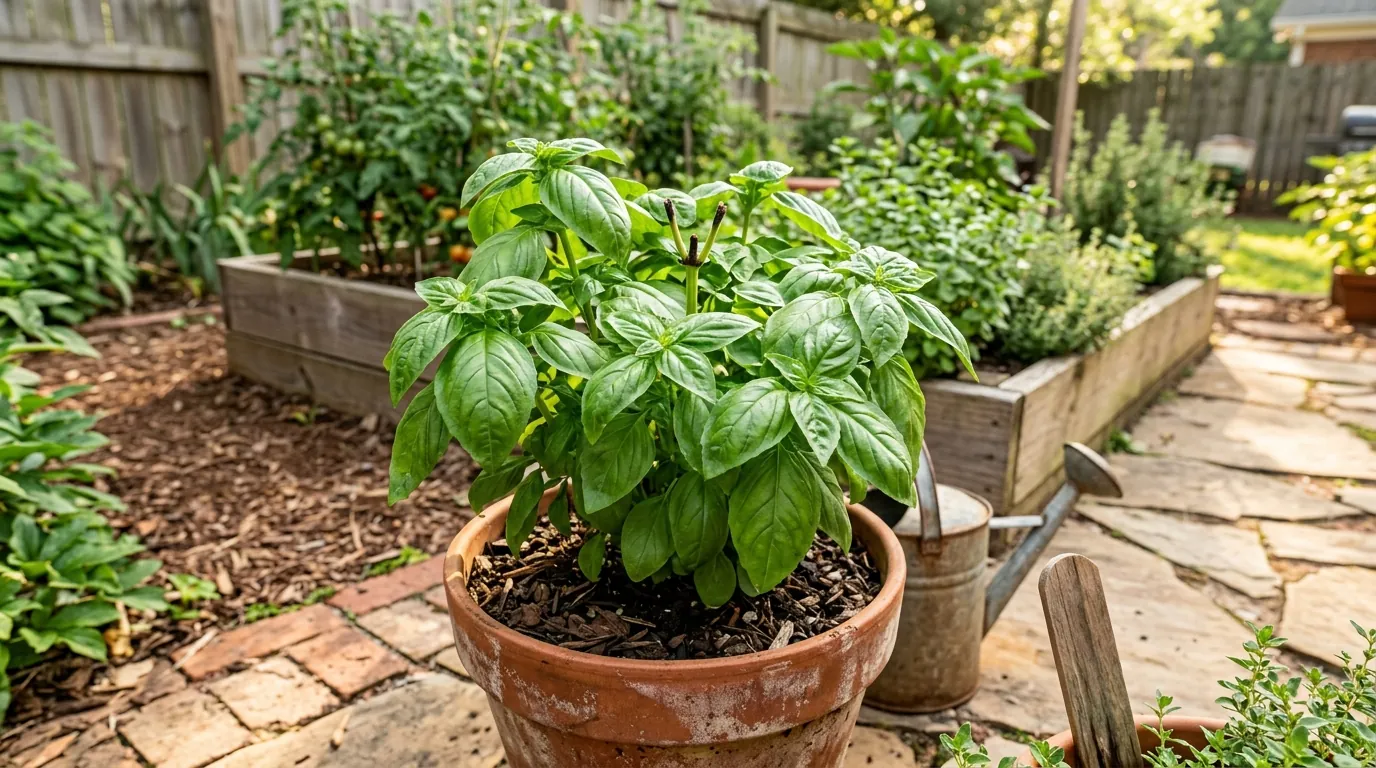
| Basil | Apr to Jun | ||||||||||||
| Cilantro | Feb to Mar and Aug to Sep | ||||||||||||
| Parsley | Mar to Apr and Sep | ||||||||||||
| Strawberry | Mar to Apr | ||||||||||||
| Watermelon | May to Jul | ||||||||||||
| Cantaloupe | May to Jul |
Local timing notes for the Mid-South
Where timing in the Mid-South needs explaining, our data carries a local note. These are the same notes the Planting Season app shows for this region, and they explain the shape of the chart above.
- Onion (Feb to Mar and Sep to Oct): Plant sets from mid February to March, or sets and transplants from mid September to mid October for an overwintered crop.
- Garlic (Oct to Nov): Plant cloves in October or November; garlic needs the winter cold to form good bulbs.
- Sweet Potato (May to Jun): Set out slips once the soil is warm; July plantings do not size up before the first frost.
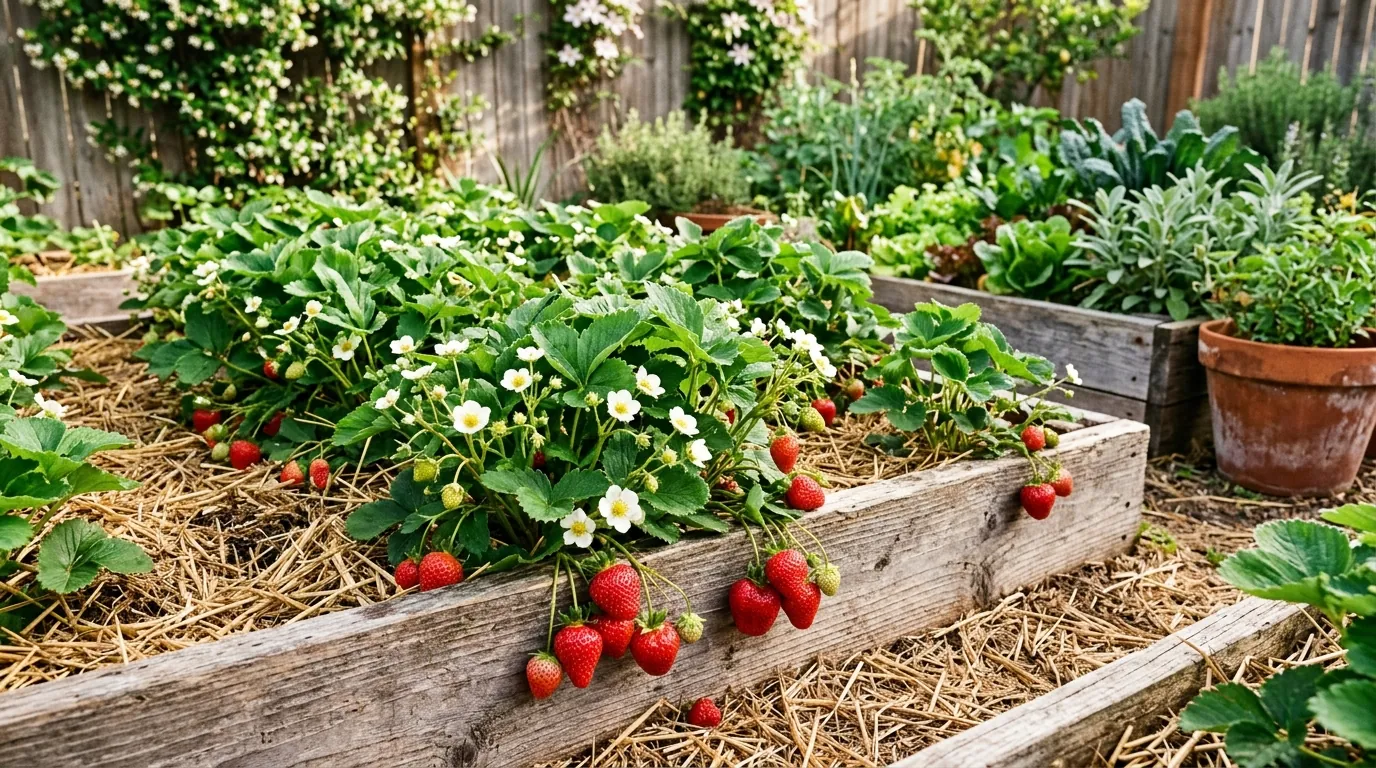
- Strawberry (Mar to Apr): Set out dormant plants in early spring as soon as the soil can be worked, so they root well before summer.
Browse by Category
Frost dates, climate and USDA zones in the Mid-South
The climate in the Mid-South is warm temperate. Across the region the average last spring frost falls around April 10 and the first fall frost around October 25, which leaves a growing season of about 198 days for frost-tender crops such as tomatoes, peppers, beans, squash and basil. Those are regional midpoints: a frost pocket, a slope or a warm wall can shift your own dates by weeks.
Frost is local, so here is what the ZIP code records show for a few places across Atlanta, the Carolina Piedmont, Tennessee and Arkansas:
- Atlanta (30303): typical last spring frost March 24; typical first fall frost November 8; a growing season of about 231 days.
- Charlotte (28202): typical last spring frost March 30; typical first fall frost November 3; a growing season of about 221 days.
- Raleigh (27601): typical last spring frost March 28; typical first fall frost November 8; a growing season of about 229 days.
- Nashville (37203): typical last spring frost April 1; typical first fall frost October 31; a growing season of about 213 days.
- Little Rock (72201): typical last spring frost March 21; typical first fall frost November 10; a growing season of about 234 days.
- Louisville (40202): typical last spring frost March 31; typical first fall frost November 9; a growing season of about 225 days.
Enter your own ZIP code in the Frost Lookup for your typical last and first frost. ZIP code figures come from the nearest weather station in the NOAA 1991 to 2020 Climate Normals, at the 50 percent probability level, so in one year out of two the last frost comes later.
USDA hardiness zones: our Mid-South region spans zones 7a to 8b. Your zone tells you which perennials, shrubs and fruit trees survive a normal winter; it does not tell you when to sow, which is why this calendar follows frost dates and summer heat instead. Zone pages: zone 7a, zone 7b, zone 8a, zone 8b.
Planting zones and frost dates for Georgia cities
Georgia gardens on two of our calendars. Going by ZIP code, Atlanta, Athens and Augusta use our Mid-South calendar; Macon, Columbus and Savannah use our Gulf South calendar. These are the ZIP code records for each city. Figures come from the nearest weather station in the NOAA 1991 to 2020 Climate Normals at the 50 percent level, so in one year out of two the last frost comes later. Enter your own ZIP code in the Frost Lookup.
| City | ZIP code | USDA zone | Last spring frost | First fall frost | Growing season | Planting calendar |
|---|---|---|---|---|---|---|
| Atlanta | 30303 | 8a | March 24 | November 8 | About 231 days | Mid-South (zones 7a to 8b) |
| Athens | 30601 | 8b | March 23 | November 10 | About 232 days | Mid-South (zones 7a to 8b) |
| Augusta | 30901 | 8b | March 23 | November 9 | About 232 days | Mid-South (zones 7a to 8b) |
| Macon | 31201 | 8b | March 21 | November 10 | About 235 days | Gulf South (zones 8a to 9b) |
| Columbus | 31901 | 8b | March 5 | November 23 | About 265 days | Gulf South (zones 8a to 9b) |
| Savannah | 31401 | 9a | March 2 | November 30 | About 270 days | Gulf South (zones 8a to 9b) |
On hardiness zones: the USDA zone column gives the zone of each city's ZIP code on the 2023 USDA Plant Hardiness Zone Map (PRISM Climate Group, Oregon State University), and each zone links to its zone planting calendar. The six cities run from zone 8a in Atlanta to zone 9a in Savannah, and Georgia ZIP codes as a whole run from zone 7a to zone 9a. Our region data places the Mid-South in USDA zones 7a to 8b and the Gulf South, which covers southeast Georgia, in zones 8a to 9b, the ranges shown in the last column. Look up the zone for any ZIP code with our zone lookup. For a vegetable garden, the frost dates in the table are what set the planting windows.
Mid-South planting seasons: a season-by-season guide
The calendar above, read by season. Counts and crop lists come straight from the Mid-South planting windows, so they change only when our data changes.
Spring in the Mid-South (March to May)
90 vegetables can be sown or planted at some point in spring. Planting windows that open: in March, Swiss Chard, Globe Artichoke, Green Onion, Hamburg Parsley, Leek, Mizuna, Parsnip, Salsify, Scorzonera and Shallot; in April, Tomato, Bell Pepper, Chili Pepper, Eggplant, Zucchini, Squash, Cucumber, Pumpkin, Sweet Corn, Bush Beans and 17 more; in May, Okra, Southern Peas, Sweet Potato, Watermelon, Cantaloupe, Amaranth, Ginger, Luffa (Loofah), Malabar Spinach, Taro and 3 more. Last chance before the season ends: March for Peas, Snow Peas, Lettuce, Spinach, Kale, Collard Greens, Broccoli, Cabbage, Cauliflower, Carrot and 31 more; April for Swiss Chard, Celeriac, Celery, Globe Artichoke, Green Onion, Hamburg Parsley, Leek, Parsnip, Salsify, Scorzonera and 1 more.
Summer in the Mid-South (June to August)
77 vegetables can be sown or planted at some point in summer. Planting windows that open: in July, Broccoli, Cabbage, Cauliflower, Broccolini, Brussels Sprouts, Gai Lan (Chinese Broccoli), Kohlrabi, Mustard Greens and Napa Cabbage; in August, Peas, Snow Peas, Lettuce, Spinach, Kale, Collard Greens, Carrot, Beet, Radish, Turnip and 23 more. Last chance before the season ends: June for Tomato, Bell Pepper, Chili Pepper, Eggplant, Zucchini, Squash, Cucumber, Pumpkin, Sweet Corn, Bush Beans and 17 more; July for Okra, Southern Peas, Watermelon, Cantaloupe, Amaranth, Luffa (Loofah), Malabar Spinach and Yardlong Beans.
Fall in the Mid-South (September to November)
37 vegetables can be sown or planted at some point in fall. Planting windows that open: in September, Swiss Chard, Onion, Green Onion and Leek; in October, Garlic and Shallot. Last chance before the season ends: September for Peas, Snow Peas, Swiss Chard, Carrot, Beet, Radish, Turnip, Potato, Daikon, Fava Beans and 7 more; October for Lettuce, Spinach, Kale, Collard Greens, Onion, Arugula, Bok Choy, Chicory, Endive & Escarole, Fennel (Herb) and 9 more. Fall is also garlic planting time here; see how to grow garlic.
Winter in the Mid-South (December to February)
40 vegetables can be sown or planted at some point in winter. Planting windows that open: in February, Peas, Snow Peas, Lettuce, Spinach, Kale, Collard Greens, Broccoli, Cabbage, Cauliflower, Carrot and 30 more.
Growing Guides
In-depth guides for the most popular crops and techniques. These guides adapt to your region.
Free Monthly Planting Calendar
Get an email each month with what to plant, seasonal tips, and harvest reminders for your region.
We send one email per month. Unsubscribe any time.
Plan your whole garden in the app
Drag-and-drop beds, track from seed to harvest, and get Mid-South reminders every month.
Open the App →Planting calendars for other US regions
Gardening somewhere else? Each region has its own planting windows, frost dates and month pages. For every region side by side, see what vegetables to plant now across the US, or find your region by ZIP code.
- North Florida vegetable planting calendar
North Florida: USDA zones 9a to 9b, frost window February 15 to December 5. - Central Florida vegetable planting calendar
Central Florida: USDA zones 9b to 10b, effectively frost free. - South Florida vegetable planting calendar
South Florida: USDA zones 10a to 11a, effectively frost free. - Gulf South vegetable planting calendar
Gulf South: USDA zones 8a to 9b, frost window February 25 to December 1. - Desert Southwest vegetable planting calendar
Desert Southwest: USDA zones 7a to 10a, frost window February 5 to December 5. - Texas vegetable planting calendar
Texas: USDA zones 8a to 10a, frost window March 1 to November 28. - Southern California vegetable planting calendar
Southern California: USDA zones 9b to 10b, effectively frost free. - Pacific Northwest vegetable planting calendar
Pacific Northwest: USDA zones 6b to 9a, frost window March 25 to November 15. - Northeast & New England vegetable planting calendar
Northeast & New England: USDA zones 5a to 7b, frost window May 10 to October 15. - Mid-Atlantic vegetable planting calendar
Mid-Atlantic: USDA zones 6b to 8a, frost window April 15 to October 25. - Midwest & Great Lakes vegetable planting calendar
Midwest & Great Lakes: USDA zones 5a to 7a, frost window April 30 to October 15. - Upper Midwest & Northern Plains vegetable planting calendar
Upper Midwest & Northern Plains: USDA zones 3b to 5a, frost window May 15 to September 25. - Mountain West vegetable planting calendar
Mountain West: USDA zones 5a to 7b, frost window May 5 to September 30. - Southern Plains vegetable planting calendar
Southern Plains: USDA zones 5b to 7b, frost window April 10 to October 30. - Northern California vegetable planting calendar
Northern California & Central Valley: USDA zones 7b to 10a, frost window February 28 to November 17. - Hawaii vegetable planting calendar
Hawaii: USDA zones 11b to 12b, effectively frost free. - Alaska vegetable planting calendar
Alaska: USDA zones 1b to 7b, frost window May 15 to September 10.
Frequently Asked Questions
When is the planting season in the Mid-South?
Two seasons: a spring planting after the last frost (late March to early April) and a fall planting from mid-summer through September. Hot, humid summers and cold winters bracket them.
What can I grow through a Mid-South winter?
Cold-hardy greens (kale, collards, spinach), root crops under cover, and garlic planted in fall will overwinter for an early spring harvest.
How accurate are these dates?
They are a careful first pass based on regional extension calendars (UGA and neighboring states). We are reviewing them with local sources before this region is finalized.
What vegetables can I plant now in the Mid-South?
It depends on the month. Going by our Mid-South calendar, in spring (Mar to May) you can sow Tomato, Bell Pepper, Chili Pepper, Eggplant, Zucchini, Squash and Cucumber; in summer (Jun to Aug) you can sow Okra, Southern Peas, Broccoli, Cabbage, Cauliflower, Watermelon and Cantaloupe; in fall (Sep to Nov) you can sow Lettuce, Spinach, Kale, Collard Greens, Onion, Garlic and Arugula; in winter (Dec to Feb) you can sow Peas, Snow Peas, Lettuce, Spinach, Kale, Collard Greens and Broccoli. The What to plant in the Mid-South now section at the top of this page always shows the current month, and each month page lists every crop.
When is the last frost in the Mid-South?
Across the Mid-South the average last spring frost is around April 10 and the first fall frost around October 25, a growing season of about 198 days. ZIP code records for Atlanta (30303) give a typical last spring frost of March 24 and a first fall frost of November 8. Check your own ZIP code with the Frost Lookup.
When should I plant tomatoes in the Mid-South?
Our Mid-South calendar has tomatoes planted in April to June. More in how to grow tomatoes.
When should I plant garlic in the Mid-South?
Our Mid-South calendar has garlic planted in October to November. Plant cloves in October or November; garlic needs the winter cold to form good bulbs. More in how to grow garlic.
What planting zone is Atlanta, Georgia?
Atlanta is in USDA hardiness zone 8a on the 2023 USDA Plant Hardiness Zone Map, going by the city center ZIP code 30303. Other ZIP codes around Atlanta can fall in a different half zone, so check yours in the zone lookup. Our zone 8a planting calendar lists what to sow each month. What sets vegetable planting dates in Atlanta is frost: the ZIP code record for Atlanta (30303) gives a typical last spring frost of March 24 and a first fall frost of November 8, a growing season of about 231 days. Atlanta gardens on our Mid-South planting calendar.
What are the planting zones in Georgia?
On the 2023 USDA Plant Hardiness Zone Map, Georgia ZIP codes run from zone 7a to zone 9a; among the cities in our table, Atlanta is in zone 8a and Savannah in zone 9a. Georgia spans two of our regions. Our region data places the Mid-South, which covers Atlanta and the Piedmont, in USDA zones 7a to 8b, and the Gulf South, which covers southeast Georgia and Savannah, in zones 8a to 9b. Check your ZIP code in the zone lookup and your frost dates in the Frost Lookup.