
Pacific Northwest Planting Calendar
Month-by-month planting calendar for the Pacific Northwest. 143 crops with sow windows for a mild maritime climate.
Monthly Planting Calendar
The maritime Pacific Northwest (USDA 8b-9a west of the Cascades) has mild, wet winters and cool summers. Cool-season crops thrive almost year-round, and the long, gentle shoulder seasons suit leafy greens, brassicas, peas and roots. The main limit is summer heat: tomatoes, peppers and other heat-lovers need a warm, sheltered spot or a tunnel and go out in late spring once the soil warms. Last frost is typically late March and the first fall frost around mid-November. These windows are a first-pass estimate from regional extension guidance (OSU and WSU) and are being reviewed locally.
Browse by Category
Growing Guides
In-depth guides for the most popular crops and techniques. These guides adapt to your region.
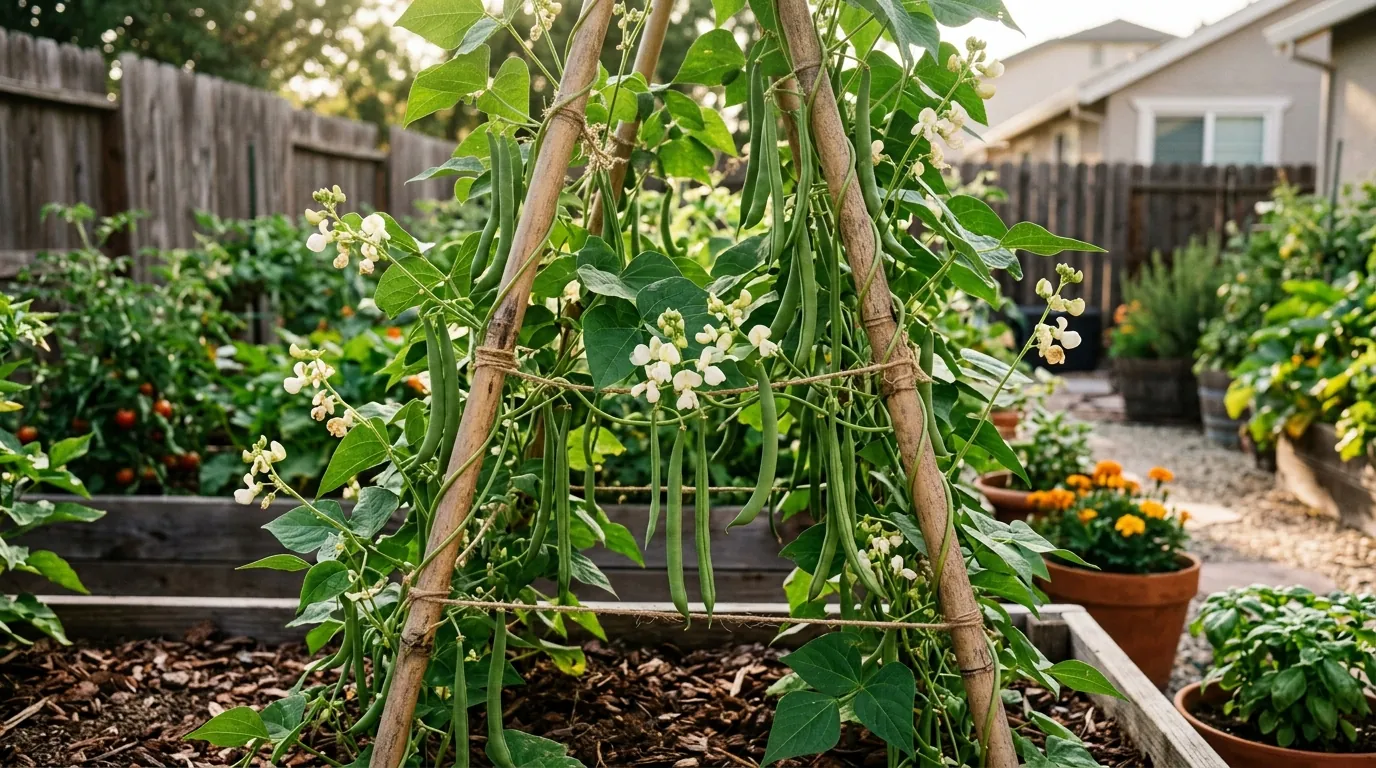
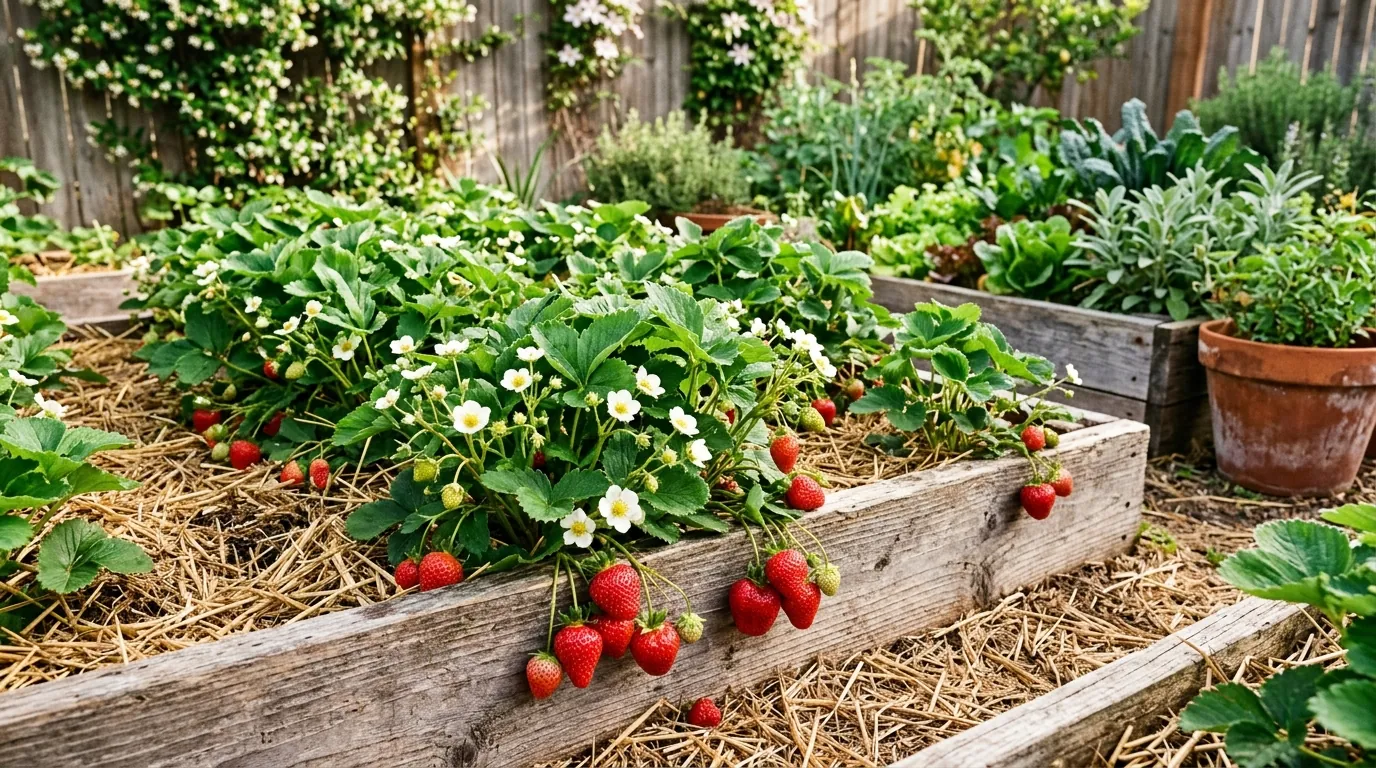
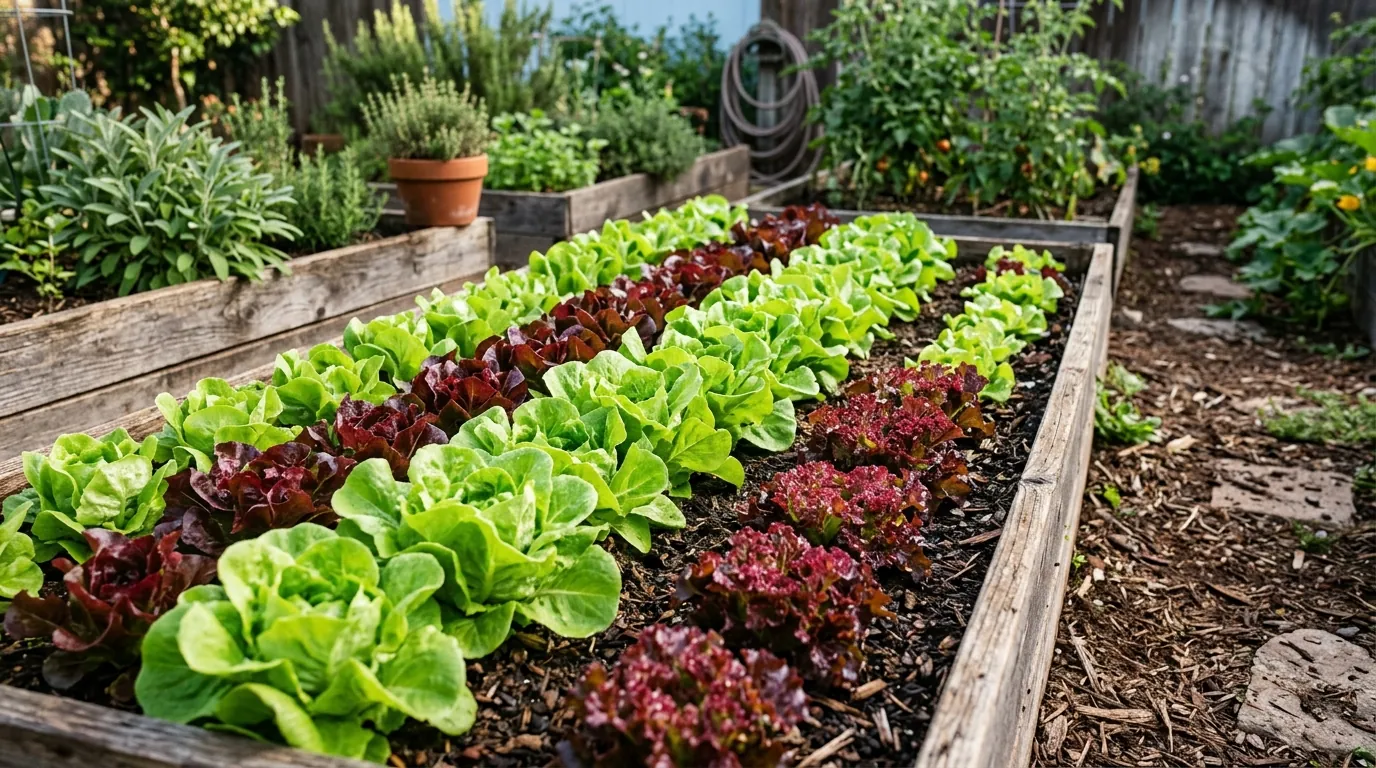
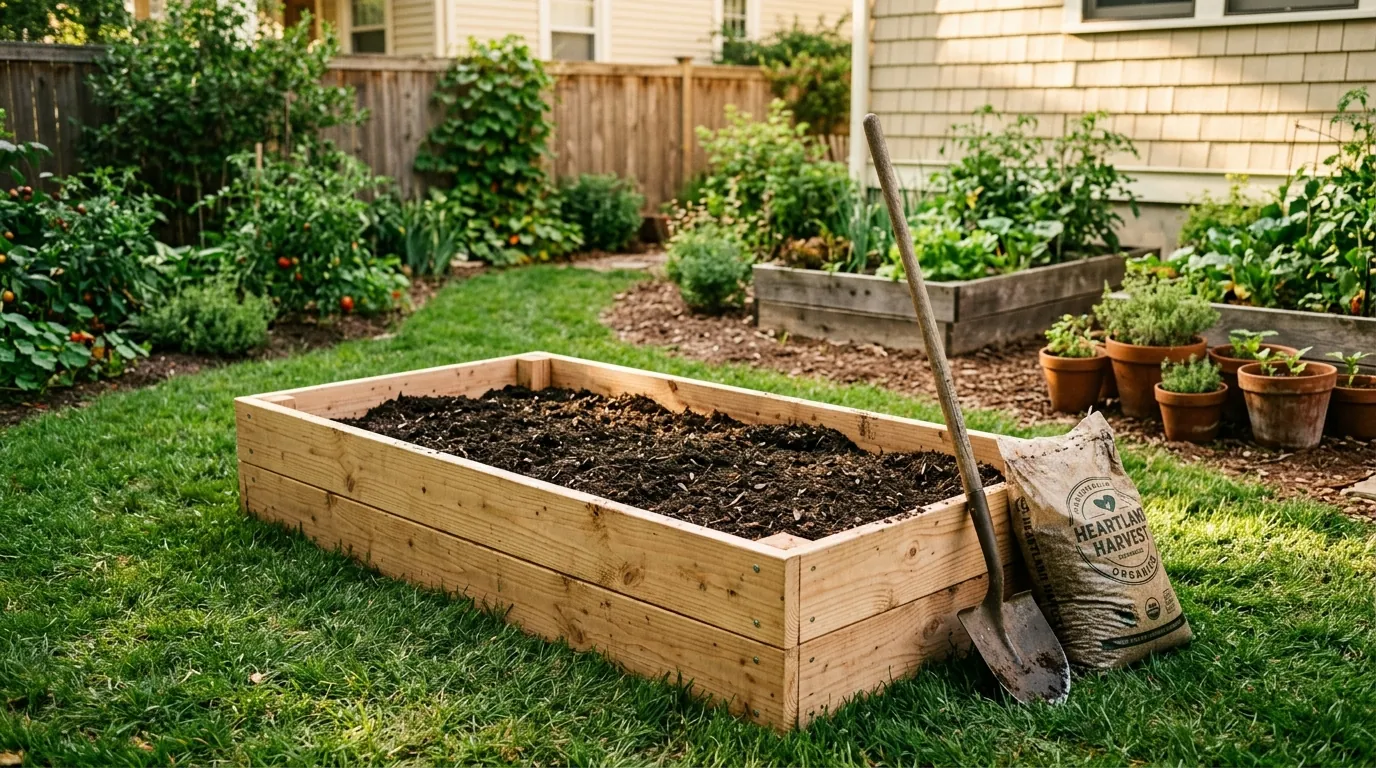
Free Monthly Planting Calendar
Get an email each month with what to plant, seasonal tips, and harvest reminders for your region.
We send one email per month. Unsubscribe any time.
Plan your whole garden in the app
Drag-and-drop beds, track from seed to harvest, and get Pacific Northwest reminders every month.
Open the App →Frequently Asked Questions
When is the planting season in the Pacific Northwest?
Cool-season crops can go in across the long spring and fall shoulders, roughly March to April and August to September, and many overwinter in the mild lowland winter. Frost-tender crops wait until late spring (May to June) once the soil warms.
Why do tomatoes struggle in the Pacific Northwest?
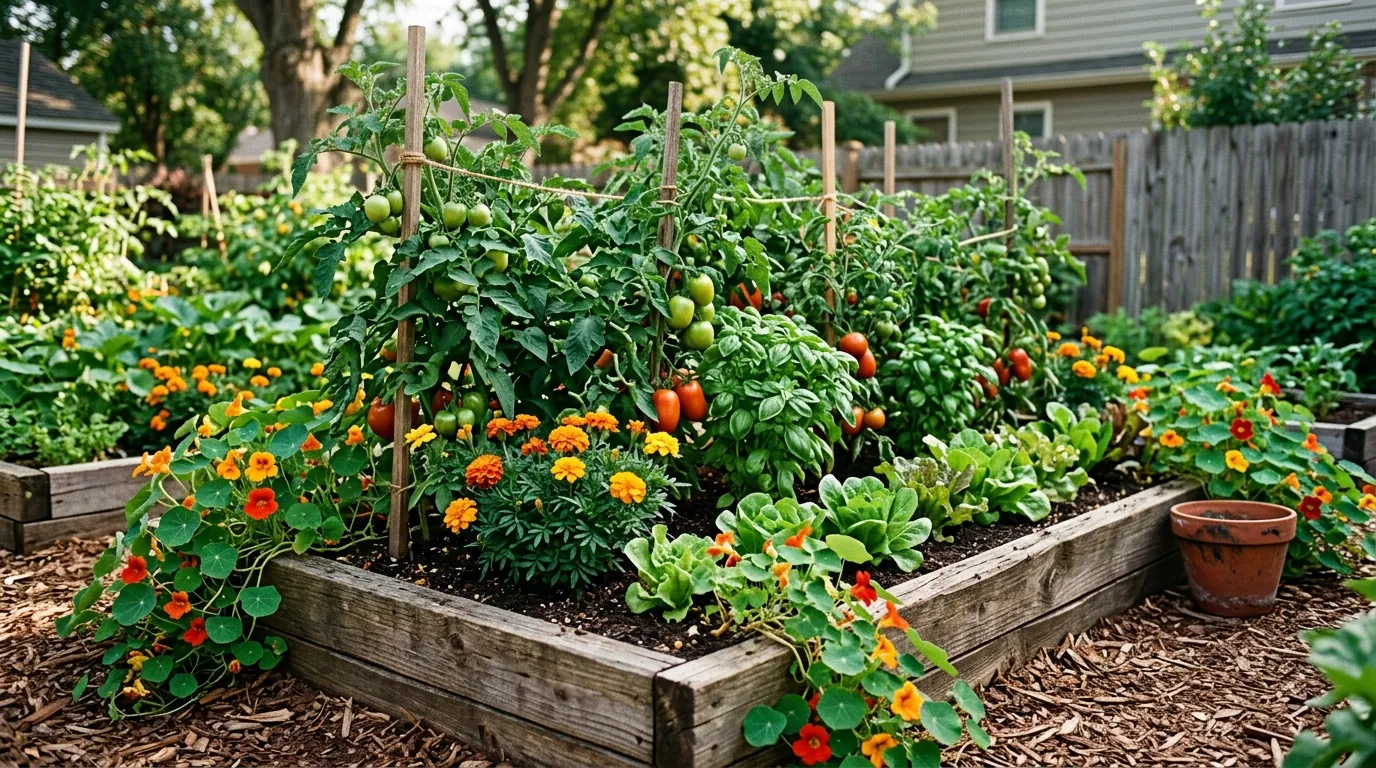
Summers west of the Cascades are cool, so heat-lovers like tomatoes, peppers and melons ripen slowly. Choose short-season varieties, give them the warmest, most sheltered spot, and consider a cloche or tunnel.
How accurate are these dates?
They are a careful first pass based on regional extension calendars (OSU and WSU). We are reviewing them with local sources before this region is finalized.