
How to Grow Zucchini
Updated June 2026
A fast, rewarding warm-season crop, plus how to avoid the famous zucchini glut.
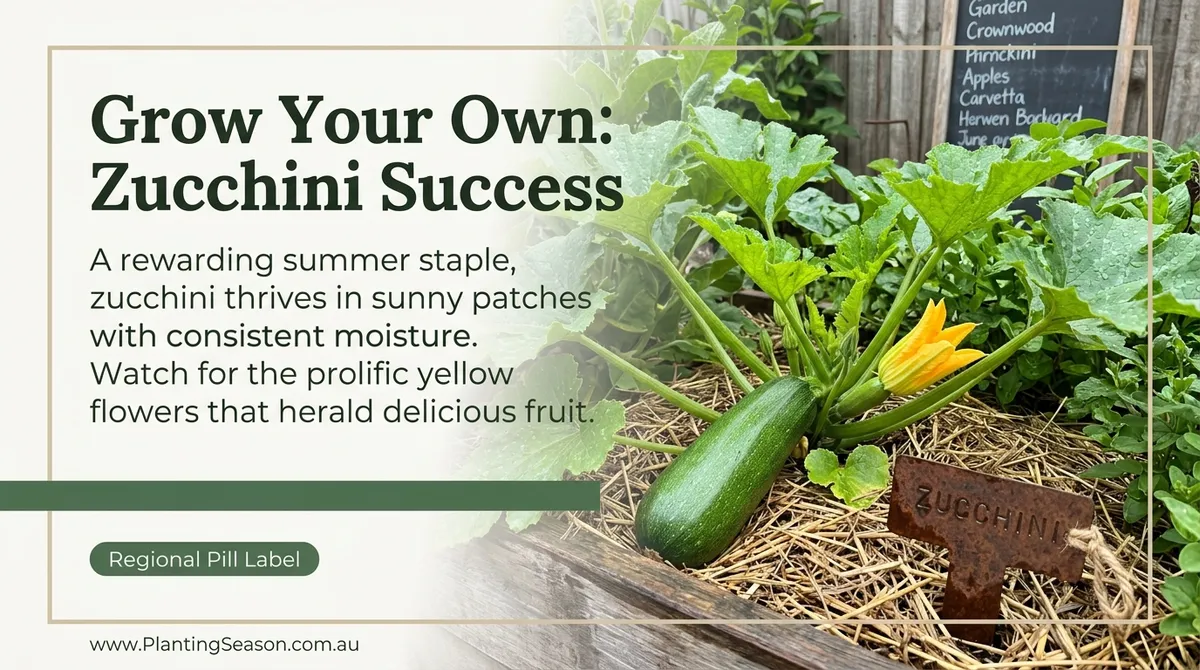
Zucchini is the fastest-producing summer vegetable you can grow. Plants go from seed to first harvest in about 8 weeks, and once they start cropping you will be picking fruit every couple of days. A single healthy plant can easily feed a household, which is exactly why so many gardeners end up with way more zucchini than they can use. Start with the calculator below to figure out how few plants you actually need.
How many zucchini plants should I grow?
Enter your household size. Zucchini is wildly productive, so the answer is almost always fewer plants than you would guess.
What it looks like as it grows
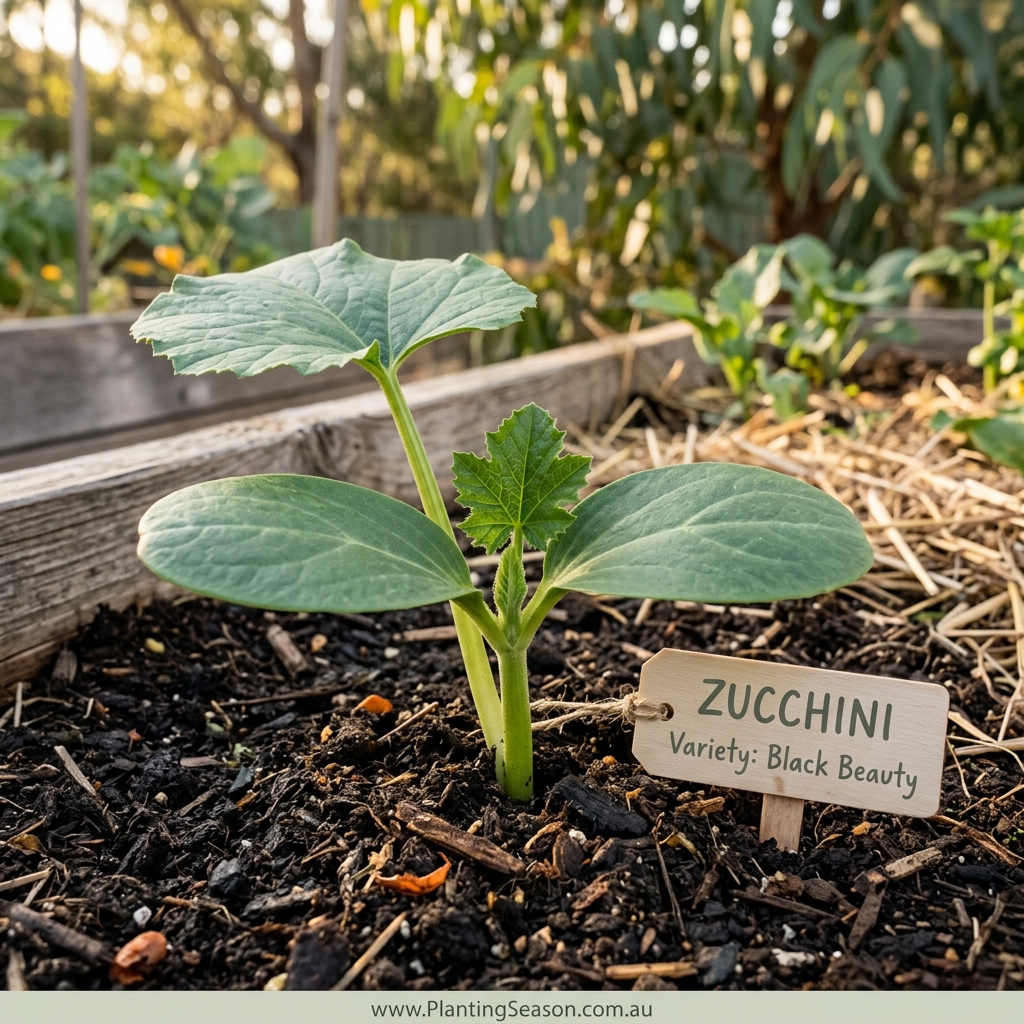
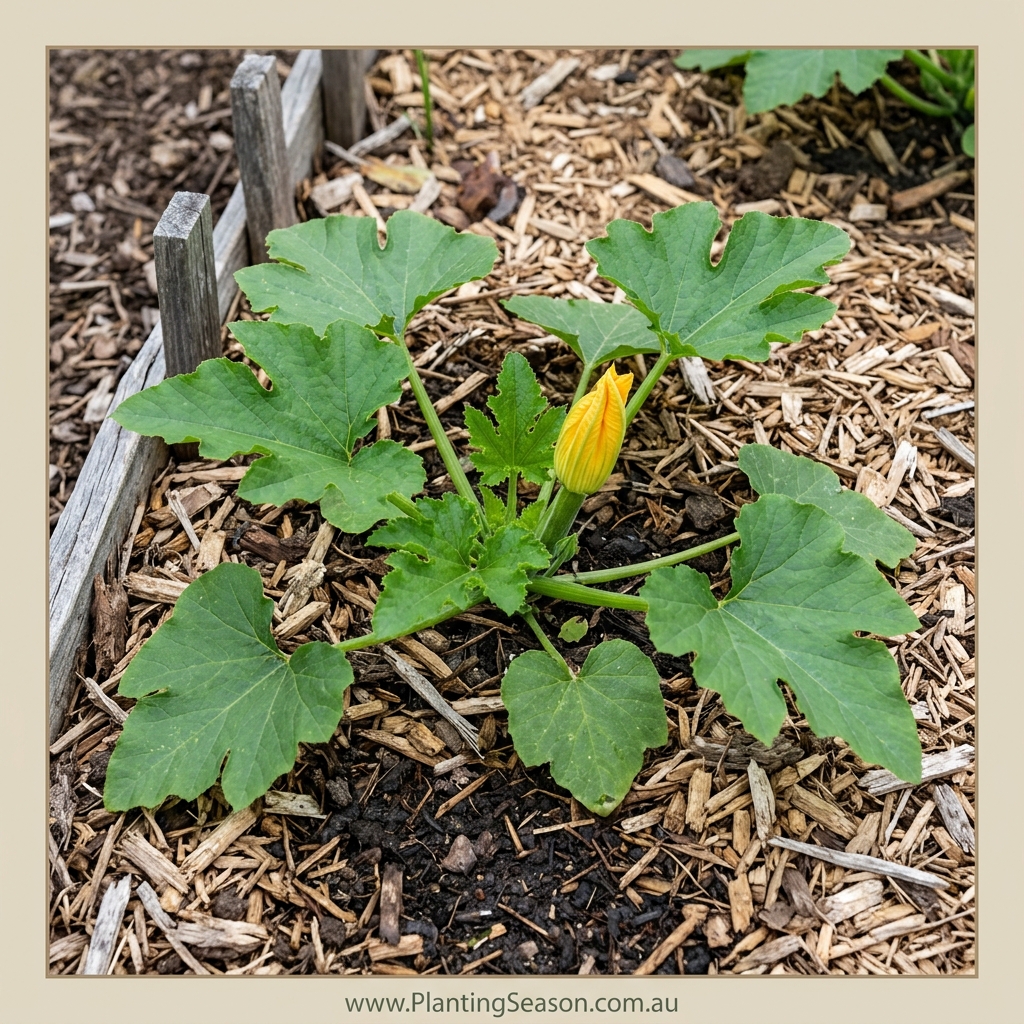
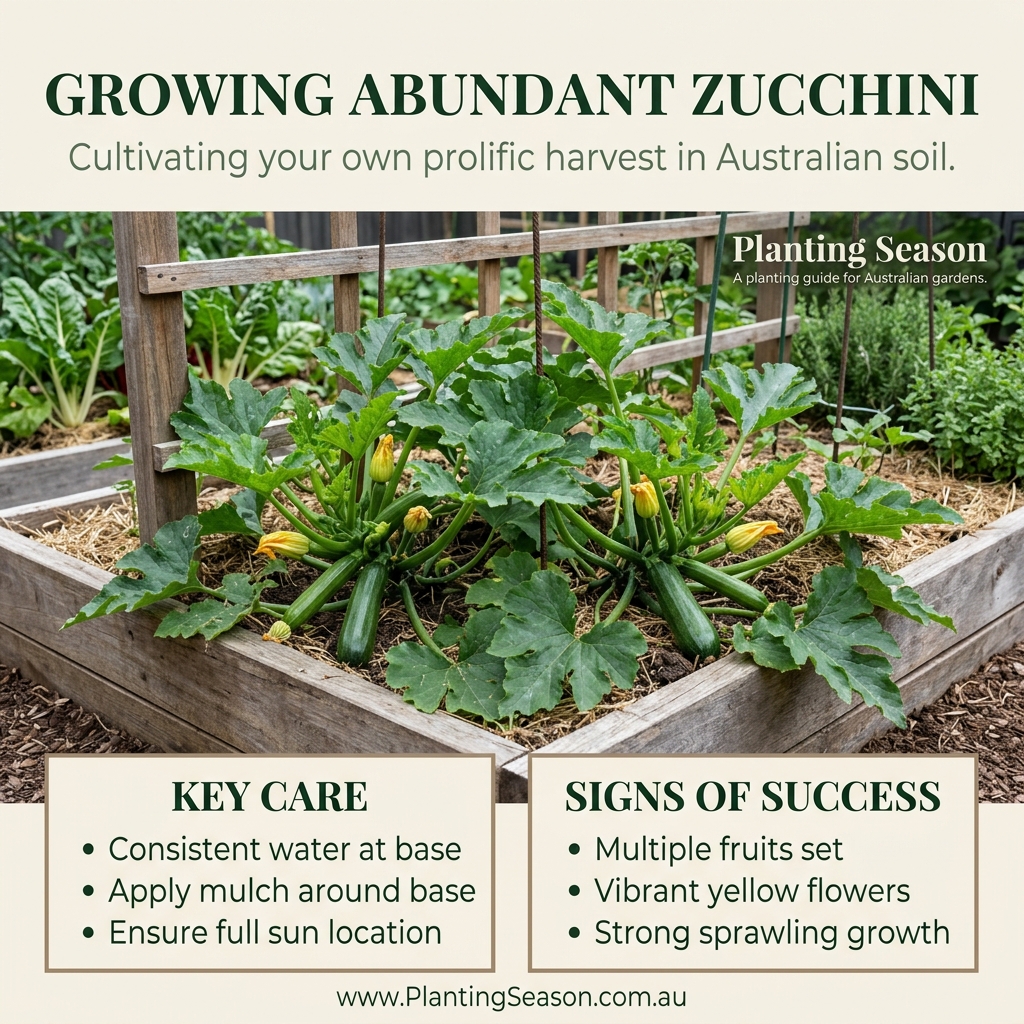
Position and soil
Zucchini wants full sun, at least six hours a day, and rich, well-drained soil. It is a hungry, thirsty plant. Work in plenty of compost and aged manure before planting so the bed holds moisture and feeds the plant through a long season. Good drainage matters, so raised mounds or beds work well.
When to plant
Plant in spring once the soil has warmed to about 65 to 70 degrees Fahrenheit and all danger of frost has passed. In the warmest zones, like Florida and the Gulf Coast, plant in early spring and again in late summer for a fall crop, avoiding the worst of the summer heat. Cooler zones plant after their last spring frost date. See your region on the zucchini page for exact timing.
Sowing and planting
Zucchini needs warm soil to germinate. In warm zones, sow seed directly into the garden about 0.75 inch deep, planting 2 to 3 seeds per mound and thinning to the strongest seedling. In cooler zones, start seeds indoors 3 to 4 weeks before the last frost and transplant once the weather settles. Building low mounds or hills helps the soil drain and warm faster in spring.
Spacing
Give each plant room. Space bush varieties about 3 feet apart, which works out to roughly 1 square yard per plant. They grow into large, sprawling plants, and good spacing keeps air moving through the leaves, your first line of defense against powdery mildew. Climbing types like Tromboncino can be trained up a sturdy trellis to save ground space.
Watering and feeding
Zucchini are heavy feeders and need consistent water. Water deeply at the base of the plant, never over the leaves, aiming to keep the soil evenly moist rather than swinging between bone dry and soaked. Plan on roughly 2.6 gallons per plant every couple of days in hot weather. Mulch around the base to hold moisture, and feed every two to three weeks with a balanced fertilizer once flowering starts.
Pollination
Zucchini produce separate male and female flowers on the same plant. Male flowers appear first on thin, straight stems. Female flowers have a small swelling, the baby zucchini, behind the petals. Bees move pollen from male to female flowers. If a female flower is not pollinated, the small fruit behind it yellows, shrivels at the blossom end, and drops off. This poor fruit set is the most common zucchini complaint and is often mistaken for disease.
To hand pollinate, pick a male flower, peel back the petals, and dab the pollen-covered stamen onto the stigma in the center of a female flower. Do it in the morning when the flowers are freshly open.
Common problems
Powdery mildew
White powdery patches on the leaves are the most common zucchini problem, especially in humid regions and late summer. Space plants well, water at the roots in the morning rather than overhead, and remove badly affected leaves. A weekly spray of one part milk to nine parts water can slow it down. Downy mildew can also appear in humid weather.
Squash vine borer
If a healthy-looking plant suddenly wilts during the day, check the base of the stem for small entry holes and sawdust-like frass. Squash vine borer larvae tunnel inside the stem and block water flow. Slit the stem carefully with a knife to find and remove the larva, then mound soil over the damaged section so it can re-root. Wrapping the lower stem with foil and growing climbing types like Tromboncino both reduce borer damage.
Other pests
Watch for squash bugs, pickleworm, and aphids. Pick squash bugs and their bronze egg clusters off by hand, and hose aphids from soft new growth. Fruit that rots at the blossom end is usually poor pollination rather than blossom end rot, so see the pollination section above.
Harvest
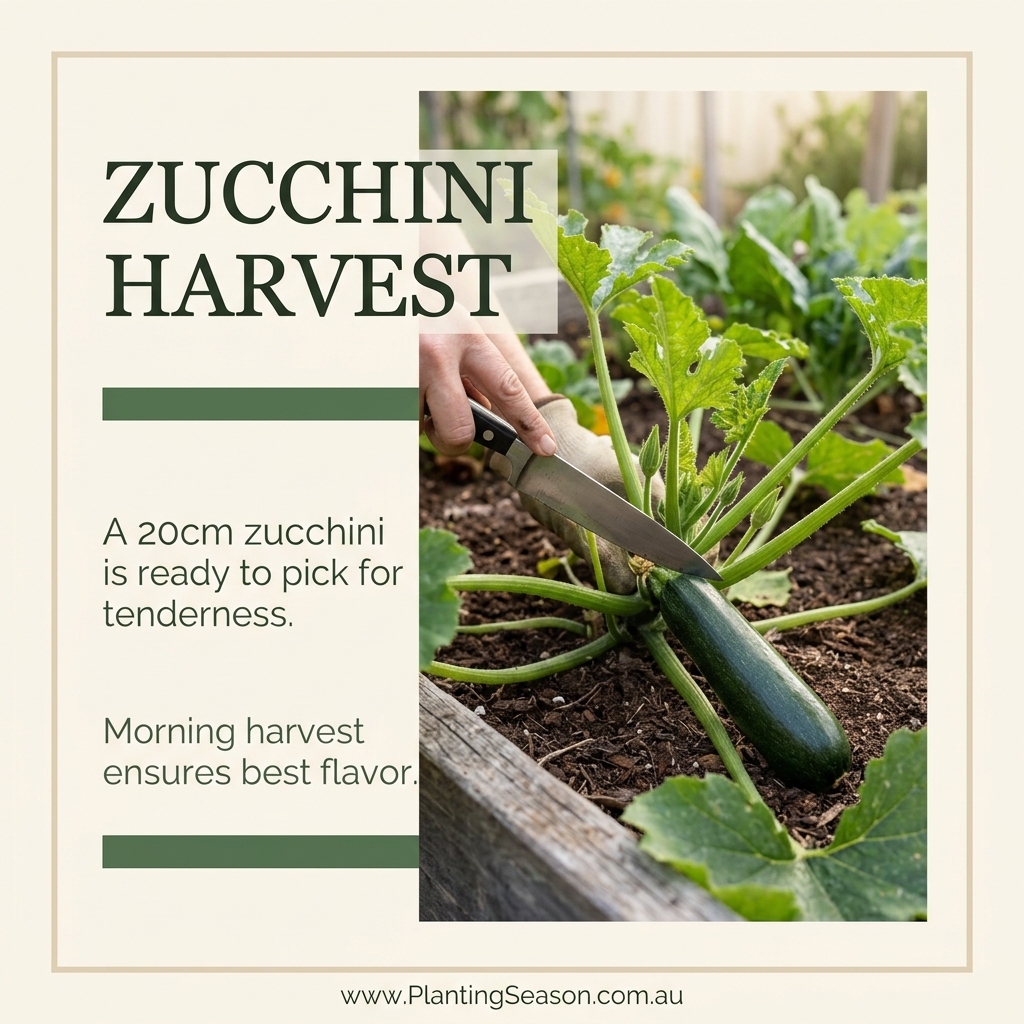
Pick zucchini young at 6 to 8 inches for the best flavor and texture, and check plants every two days during peak production. Fruit grows fast in hot weather and can double in size overnight. Leave it too long and you get a baseball bat: watery, tough-skinned, and full of seeds, which also slows down new fruit. Cut the stem cleanly with a sharp knife rather than pulling. Pick often and the plant keeps producing for months.
Best zucchini varieties
| Variety | Type | Notes |
|---|---|---|
| Black Beauty | Bush, dark green | The classic, reliable dark green zucchini. Heavy cropper, widely available. Burpee. |
| Costata Romanesco | Bush, ribbed green | Italian heirloom with deep ribs and a rich, nutty flavor. Also prized for its blossoms. Baker Creek. |
| Cocozelle | Bush, striped green | Striped Italian heirloom, firm and flavorful, best picked small. Baker Creek. |
| Golden (Yellow) | Bush, yellow | Bright yellow fruit, same habit as green types, and easy to spot in the foliage. |
| Eight Ball (Round) | Bush, round | Tennis-ball shaped fruit, great for stuffing and roasting whole. |
| Tromboncino | Climbing, long curved | Vigorous climber for a trellis. Firm flesh, few seeds, and better vine-borer resistance than bush types. |
Track your zucchini in the app
Add zucchini to your garden in the Planting Season app and get reminders for planting and harvest, plus a heads-up before the glut arrives.
Open the App →Frequently asked questions
How many zucchini plants per person do I need?
Far fewer than most people think. Two to three plants feed most households for the whole summer, no matter how many people are in the family. Even one healthy plant produces a steady supply once it gets going. Zucchini is so productive that planting one per person almost always leads to a glut.
Why are my zucchini rotting at the end?
Small fruit that yellows and rots at the blossom end before it develops is almost always poor pollination, not a disease. The female flower was not pollinated, so the tiny fruit behind it shrivels and drops off. It is common in cool or wet weather when bee activity is low. Hand pollinate by moving pollen from a male flower to the center of a female flower with a small paintbrush or cotton swab.
What can I do with a glut of zucchini?
Shred and freeze it in measured portions for baking, make zucchini relish or pickles, bake zucchini bread, stuff and roast the larger ones, or spiralize it as a pasta substitute. The best fix is prevention: pick fruit young at 6 to 8 inches every two days and grow only two or three plants.
When should I plant zucchini?
Plant in spring once the soil has warmed to about 65 to 70 degrees Fahrenheit and all danger of frost has passed. In the warmest zones (Florida and the Gulf Coast), plant in early spring and again in late summer for a fall crop, avoiding the peak of summer heat. Cooler zones plant after their last spring frost date.
How much space does a zucchini plant need?
Allow about 1 square yard per plant, spacing bush varieties 3 feet apart. They grow large and need room for airflow, which also helps prevent powdery mildew. Climbing types like Tromboncino can be trained up a trellis to save ground space.
How do I hand pollinate zucchini?
Identify a male flower (thin straight stem, no swelling behind it) and a female flower (a tiny fruit visible behind the petals). Pick the male flower, peel back the petals, and dab the pollen-covered stamen directly onto the stigma in the center of the female flower. Do this in the morning when the flowers are freshly open.
Why are my zucchini turning into baseball bats?
They were left on the plant too long. Fruit can double in size overnight in hot weather. Pick at 6 to 8 inches and check plants every two days. Oversized fruit is watery and seedy, and it slows down production of new zucchini.
See also: Zucchini in the plant library →
Related guides
See what to plant this month
Pick your region for a month-by-month calendar tuned to your climate.
Find your region →