
Root rot: identify, prevent, control
Updated October 2026
Worst after long wet spells, heavy irrigation or flooding, especially in heavy clay soils and containers without drainage holes.
Root rot is the death of roots caused by water molds such as Phytophthora and Pythium and by soil fungi, almost always where soil stays wet for long periods. Mediterranean herbs, avocados, citrus, papaya, blueberries, blackberries and kiwifruit are very prone to it. Because roots are out of sight, the first thing you notice is a plant that wilts or yellows even though the soil is wet, and by then the damage is often far along.
Phytophthora, Pythium, Rhizoctonia and Fusarium species
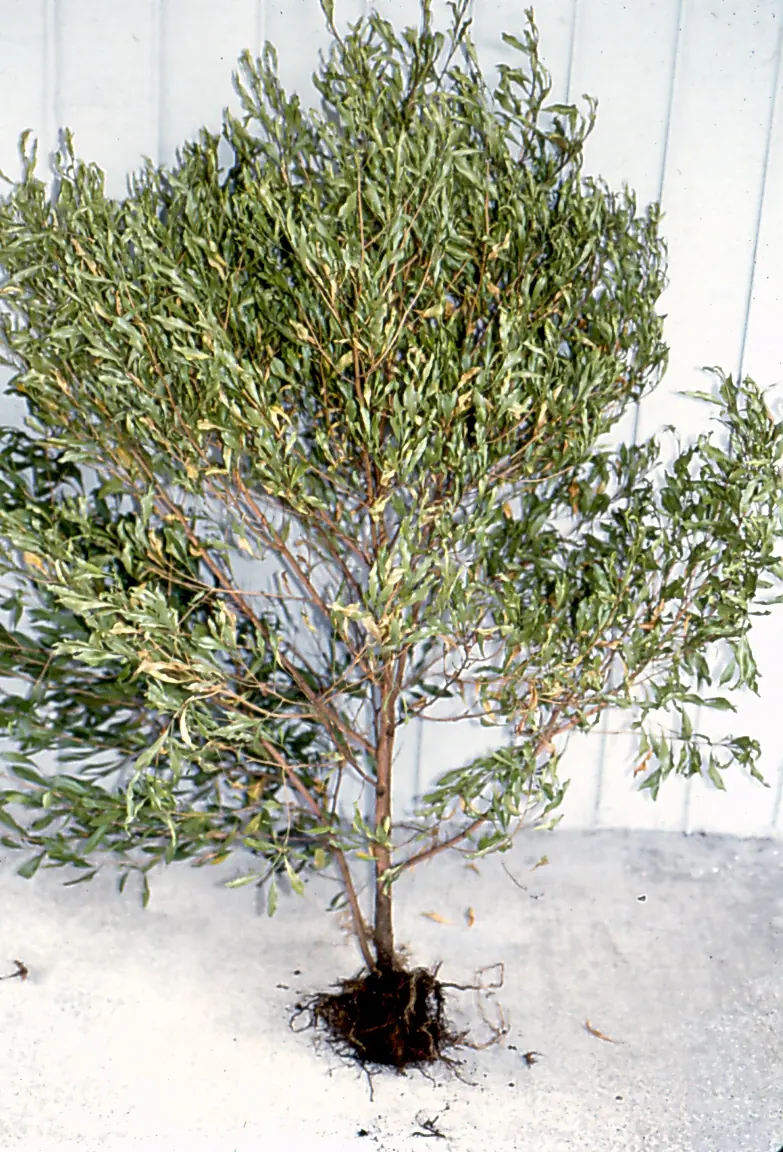
.jpg)
How to identify it
- The plant wilts in the heat of the day even though the soil is moist, and it does not perk up after watering.
- Leaves turn pale, yellow or bronze, new growth is small and sparse, and leaf tips or margins brown.
- Dig carefully or slide a potted plant out: healthy roots are firm and white or tan inside, while rotted roots are dark brown or black, soft, and the outer layer slips off like a sleeve.
- On avocado the small feeder roots are scarce, black and brittle, and trees often set a heavy crop of small fruit before declining.
- On citrus, papaya and woody herbs such as rosemary and lavender, the bark at the soil line may darken and ooze, and whole branches die back.
- Plants usually die in patches where water collects, such as low spots, the bottom of a slope or overwatered containers.
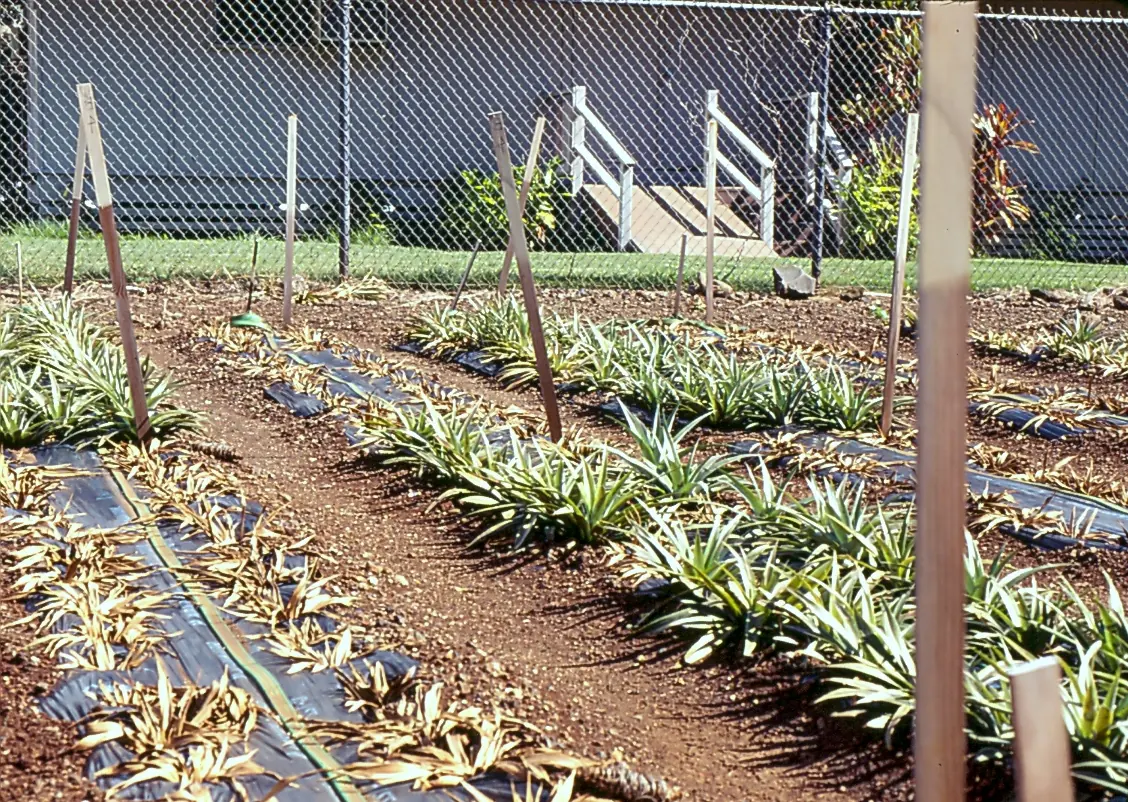
.jpg)
What it is often confused with
Fusarium wilt
Fusarium wilt yellows one side of a plant first and leaves a brown streak inside the stem, while the roots look fairly normal. Root rot shows dark, rotted roots.
Drought stress
Dry plants wilt in dry soil and recover after watering. Root rot plants wilt in wet soil and keep wilting.
Crown rot
Crown rot attacks the base of the stem where it meets the roots and is often caused by the same organisms. Check both the crown and the roots.
When and where it is worst
Phytophthora and Pythium swim through water-filled soil pores and infect roots when soil is saturated, so root rot follows heavy rain, flooding, overwatering and poorly drained clay. It is a year-round risk in Florida, Hawaii and Gulf Coast gardens with summer rains, a winter and spring problem in California and the Pacific Northwest, and a problem anywhere after a wet season.
Herbs such as oregano, thyme, marjoram, tarragon, lavender, rosemary, stevia and aloe vera, and dry-country plants like prickly pear and jicama, rot quickly in rich, wet soil or in pots without drainage. Avocado root rot, caused by Phytophthora cinnamomi, is the most serious disease of avocado in California and Florida.
Plants it affects
These plants in our library list it as a problem to watch for.
How to prevent it
- Plant in well-drained soil, and build raised beds or mounds at least 12 inches high for avocados, citrus, blueberries and herbs where soil is heavy.
- Water deeply but less often, and let the top inch or two of soil dry before watering again; check soil moisture with your finger rather than a timetable.
- Use containers with drainage holes and a free-draining mix, and never leave pots standing in saucers of water.
- Buy plants from a reputable nursery and inspect the roots before planting, since root rot often arrives on nursery stock.
- Do not plant too deep, keep mulch a few inches away from trunks and stems, and avoid moving soil or water from a known problem area.
- Choose resistant rootstocks where they exist, such as Phytophthora tolerant avocado rootstocks.
Organic control, step by step
- Stop watering and improve drainage as soon as you suspect root rot, since many plants recover if the soil dries out early enough.
- Lift potted herbs, trim away soft, dark roots with clean pruners and repot in fresh, gritty mix.
- Remove and dispose of dead plants with the soil around their roots, and do not replant the same crop in that spot.
- Mulch avocados with coarse wood chips and add gypsum, which UC IPM recommends as part of an avocado root rot program to improve root health.
Conventional control
- Phosphorous acid (potassium phosphite) products are labeled in home garden sizes for Phytophthora root rot on some fruit trees such as avocado and citrus, applied as a drench, foliar spray or trunk spray depending on the label.
- Fungicides only slow root rot in plants that still have some healthy roots, and they do not fix poor drainage.
- Read the label, check that your crop is listed, and keep to the pre-harvest interval shown for that crop.
Frequently asked questions
Can an overwatered plant recover from root rot?
Sometimes. If some white, firm roots remain, let the soil dry, improve drainage, trim off rotted roots on potted plants and water less often. If most roots are black and mushy, it is better to replace the plant.
Why do my rosemary and lavender die every winter?
In many parts of the US they die from wet, cold soil rather than from the cold itself. Grow them in raised beds or pots with gritty mix, in full sun, and water very little in winter.
Is it safe to replant in the same spot?
Phytophthora can survive in soil for years. Replant only after fixing drainage, choose a less susceptible plant or a tolerant rootstock, and avoid putting the same crop back in that spot.
How do I know whether it is root rot or something else?
Check the roots. Rotted roots are brown or black inside and the outer layer slips off easily. A plant wilting in wet soil with damaged roots points to root rot, and your county Extension office or state plant diagnostic lab can confirm the cause.
Related problems
Sources: UC IPM, Avocado Root Rot, or Phytophthora Root Rot; University of Wisconsin Extension, Root Rots in the Garden; UC IPM, Phytophthora Root and Crown Rot (Red Stele) on Strawberries. Identification and control follow these sources. Always read and follow the product label.