
When to Plant Beets in Zone 7
USDA zone 7 covers zones 7a and 7b, with winter lows of 0 to 10°F (-18 to -12°C).
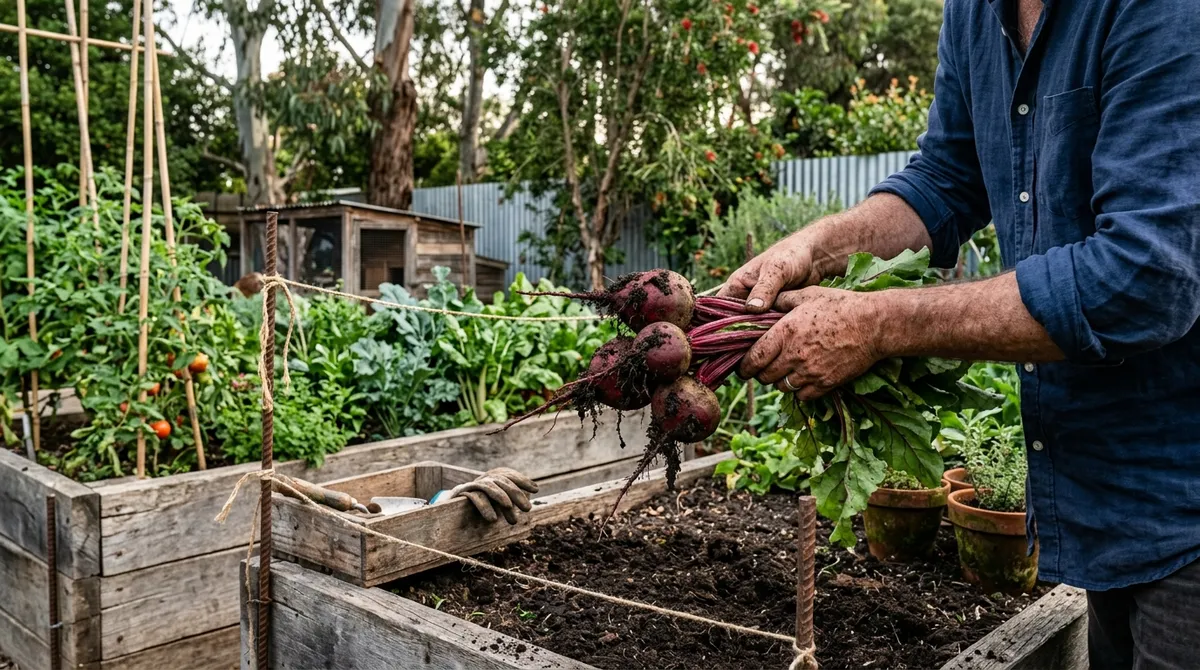
Zone 7 gets two beet crops. The Mid-Atlantic and Southern Plains sow from February to April and again from July to October, the Mid-South in February and March and in August and September, and the zone 7 part of the Northeast from March to May and from July to September.
Zone 7 beets planting months by region
| Planting region | Share of zone 7 | Sow beets | Last frost, zone 7 ZIP codes | First frost, zone 7 ZIP codes |
|---|---|---|---|---|
| Northeast & New England Cold winters, warm humid summers | 27 percent | March to May, then July to September | April 13 | October 31 |
| Mid-Atlantic Humid subtropical, four seasons | 22 percent | February to April, then July to October | April 12 | October 29 |
| Mid-South Warm temperate | 22 percent | February and March, then August and September | April 10 | October 28 |
| Southern Plains Hot summers, two planting seasons | 13 percent | February to April, then July to October | April 6 | October 31 |
| Mountain West High-elevation, dry, big day-night swings | 5 percent | April and May, then July to September | April 26 | October 19 |
Other regions (11 percent of the zone): Midwest & Great Lakes, Pacific Northwest, Texas, Gulf South, Desert Southwest, Northern California & Central Valley.
How we built this table: we placed all 8,732 zone 7 ZIP codes (2023 USDA map) in our planting regions; the months are each region's own calendar and the frost dates are NOAA 1991 to 2020 medians for the zone's ZIP codes there.
Two sowings, and fall is the better one
Spring beets in zone 7 are a short race. The typical last frost is April 12 in the Mid-Atlantic and April 10 in the Mid-South, and roots need about 65 days, our figure, to size up. A February or March sowing finishes before the heat. Beets that mature in hot weather grow tough and show pale rings inside, so a late spring sowing is rarely worth it here, and the second sowing is the one to plan.
The fall sowing has the cool weather that beets like. Mid-South gardeners sow in August and September, and the Mid-Atlantic window is longer. Wet the soil before you sow, because seed in hot, dry ground germinates poorly, and keep it moist until the shoots appear. With a first frost around October 28, roots sown in the first part of the window reach full size, and a frost improves their flavor. Mulched with straw, they can stay in the ground well into winter and be dug as needed.
Warm, humid zone 7 weather brings cercospora leaf spot, which dots the leaves, and leaf miners, which tunnel inside them. Pick off affected leaves, rotate beets with something other than chard or spinach, and avoid watering from overhead in the evening. In the sandy, acidic soils of parts of the Mid-South and the Carolinas, beets may show black internal spots from a boron shortage, and a soil test tells you whether it is worth adding boron. Detroit Dark Red is the dependable variety, and our beet guide lists others.
Zone 7 beets questions
When should I sow beets in February in zone 7?
In the Mid-Atlantic, the Mid-South and the Southern Plains, where the window opens in February, once the soil can be worked. The beet seed germinates in soil as cool as 50°F, and the seedlings tolerate light frost.
How late can I sow fall beets in zone 7?
The Mid-Atlantic fall window runs from July to October, and the Mid-South one in August and September. At about 65 days to harvest, a sowing at the end of the window gives small roots, so treat late sowings as a crop of baby beets and greens.
Growing advice follows published guidance from Virginia Cooperative Extension and Clemson Cooperative Extension, beet guidance.
Keep planning
- How to grow beets: the full guide
- Beets planting calendar for every region
- Zone 7a planting calendar and zone 7b planting calendar
- All USDA zones and the Frost Lookup by ZIP code
- When to plant beets in zone 6
- When to plant broccoli in zone 7
- When to plant carrots in zone 7
- When to plant cucumbers in zone 7
- When to plant lettuce in zone 7
- When to plant pumpkins in zone 7
- When to plant strawberries in zone 7
- When to plant sweet potatoes in zone 7