
When to Plant Beets in Zone 6
USDA zone 6 covers zones 6a and 6b, with winter lows of -10 to 0°F (-23 to -18°C).
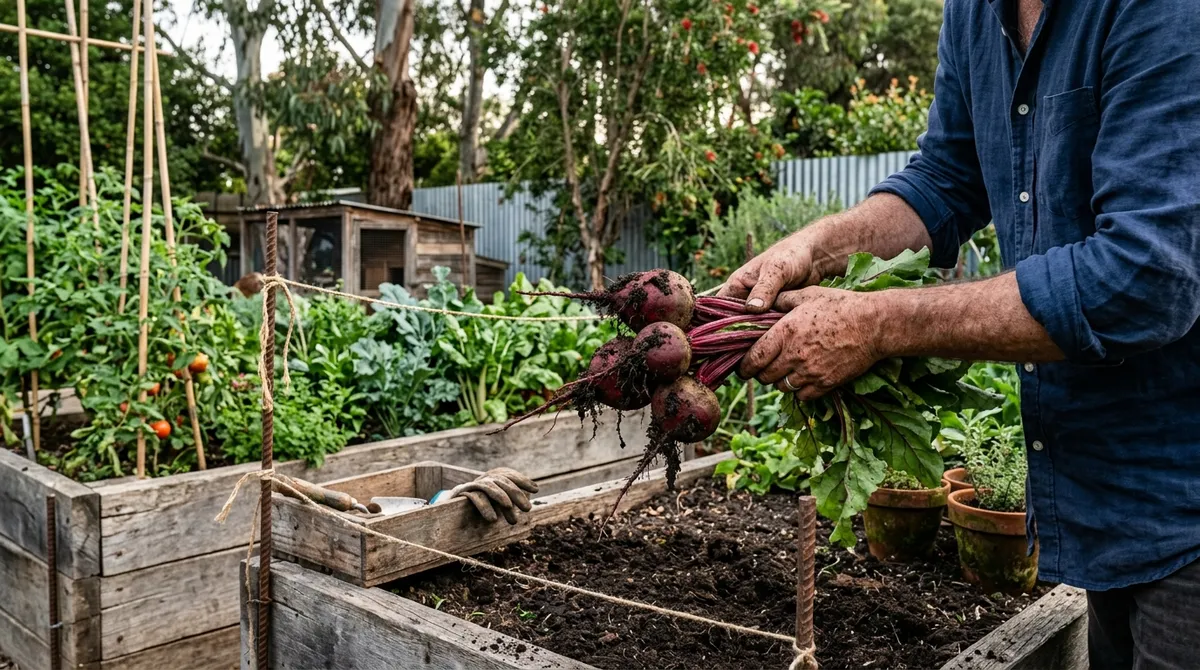
Zone 6 sows beets in spring and again in summer. The Midwest and Mountain West sow in April and May and then from July to September, the Northeast from March to May and from July to September, and Missouri and Kansas from February to April and again from July to October.
Zone 6 beets planting months by region
| Planting region | Share of zone 6 | Sow beets | Last frost, zone 6 ZIP codes | First frost, zone 6 ZIP codes |
|---|---|---|---|---|
| Midwest & Great Lakes Continental, cold winters and warm summers | 38 percent | April and May, then July to September | April 23 | October 21 |
| Northeast & New England Cold winters, warm humid summers | 30 percent | March to May, then July to September | April 30 | October 17 |
| Southern Plains Hot summers, two planting seasons | 15 percent | February to April, then July to October | April 16 | October 21 |
| Mountain West High-elevation, dry, big day-night swings | 7 percent | April and May, then July to September | May 10 | October 5 |
Other regions (9 percent of the zone): Mid-Atlantic, Mid-South, Pacific Northwest.
How we built this table: we placed all 10,458 zone 6 ZIP codes (2023 USDA map) in our planting regions; the months are each region's own calendar and the frost dates are NOAA 1991 to 2020 medians for the zone's ZIP codes there.
Beets you can still be eating in January
Beets are a crop for storing, and zone 6 is a good place to do it. The summer sowing finishes after the heat breaks, when roots grow firm and sweet, and zone 6 ZIP codes see a first frost around October 21 in the Midwest and October 17 in the Northeast. Dig the roots before the ground freezes hard, twist the tops off an inch above the crown, and pack them in damp sand or sawdust in a cold cellar or an unheated garage, where they keep for two to four months.
Spring sowing begins as soon as the soil is workable, since beet seed germinates in soil as cool as 50°F and the plants take a light frost. The plain trap is crusting: heavy Ohio and Indiana clays dry into a hard skin that seedlings cannot push through. Cover the seed with fine compost instead of garden soil, keep the row damp until the shoots show, and remember that each beet seed is really a cluster of two to four seeds, so thin to about 4 inches (10 cm) apart, our spacing.
Beets finish in about 65 days, our figure, so the summer sowing in the Midwest has plenty of time even in late summer. Cercospora leaf spot and leaf miners are the usual visitors, and the tops are good to eat, so thin early and pick a few leaves from each plant. Golden varieties bleed less than red ones and suit roasting, and Chioggia, with its pink and white rings, is a popular variety in northern gardens.
Zone 6 beets questions
Can I plant beets in March in zone 6?
In the Northeast and Southern Plains parts of zone 6, yes: the Northeast sows from March to May and the Southern Plains from February to April. In the Midwest and Mountain West wait until April. Beet seed is slow in cold soil, so a sowing two weeks later often catches up.
Why are my zone 6 beets tough and small?
Usually heat, drought or crowding. Roots grown in hot, dry weather turn woody, and unthinned seed clusters make a thicket of small roots. Thin early, water evenly and use the summer sowing for the best roots.
Growing advice follows published guidance from Ohio State University Extension and University of Missouri Extension, beet guidance.
Keep planning
- How to grow beets: the full guide
- Beets planting calendar for every region
- Zone 6a planting calendar and zone 6b planting calendar
- All USDA zones and the Frost Lookup by ZIP code
- When to plant beets in zone 7
- When to plant carrots in zone 6
- When to plant pumpkins in zone 6
- When to plant strawberries in zone 6
- When to plant tomatoes in zone 6
- When to plant garlic in zone 6
- When to plant onions in zone 6
- When to plant potatoes in zone 6