
When to Plant Pumpkins in Zone 7
USDA zone 7 covers zones 7a and 7b, with winter lows of 0 to 10°F (-18 to -12°C).
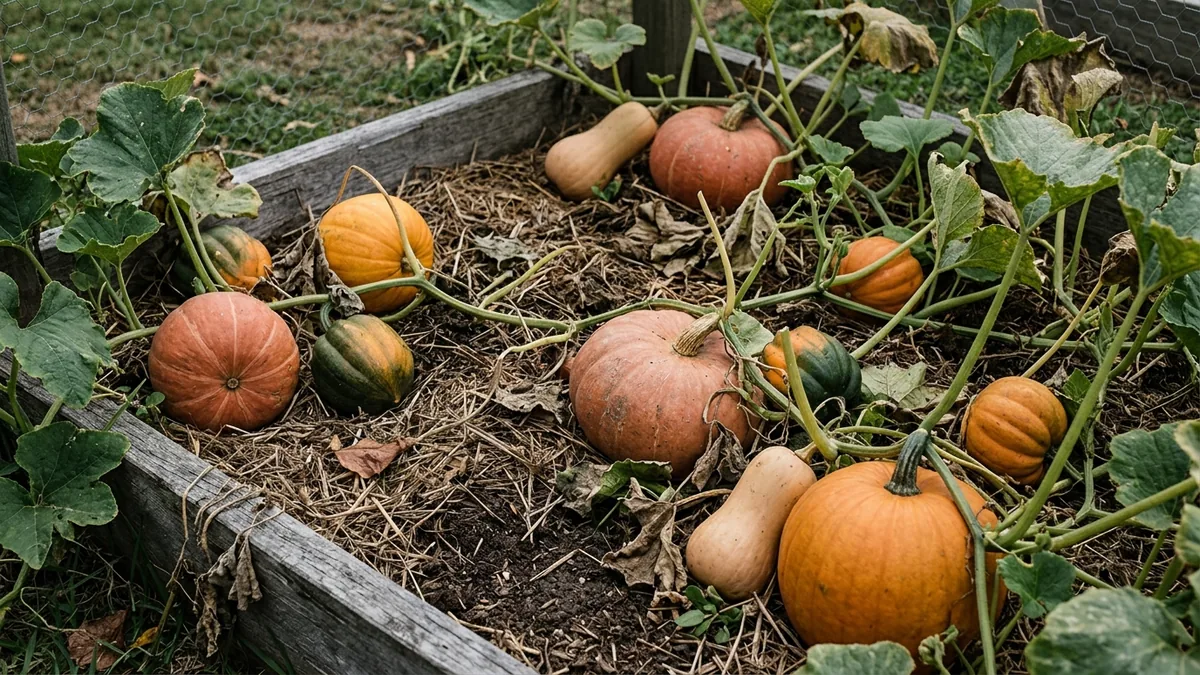
Zone 7 pumpkins go in from April to June in the Mid-South, from May to July in the Mid-Atlantic and Oklahoma, and in May and June around Philadelphia and New Jersey. The Mountain West part of the zone plants in May and June.
Zone 7 pumpkins planting months by region
| Planting region | Share of zone 7 | Sow or set out pumpkins | Last frost, zone 7 ZIP codes | First frost, zone 7 ZIP codes |
|---|---|---|---|---|
| Northeast & New England Cold winters, warm humid summers | 27 percent | May and June | April 13 | October 31 |
| Mid-Atlantic Humid subtropical, four seasons | 22 percent | May to July | April 12 | October 29 |
| Mid-South Warm temperate | 22 percent | April to June | April 10 | October 28 |
| Southern Plains Hot summers, two planting seasons | 13 percent | May to July | April 6 | October 31 |
| Mountain West High-elevation, dry, big day-night swings | 5 percent | May and June | April 26 | October 19 |
Other regions (11 percent of the zone): Midwest & Great Lakes, Pacific Northwest, Texas, Gulf South, Desert Southwest, Northern California & Central Valley.
How we built this table: we placed all 8,732 zone 7 ZIP codes (2023 USDA map) in our planting regions; the months are each region's own calendar and the frost dates are NOAA 1991 to 2020 medians for the zone's ZIP codes there.
Vine borers and summer heat decide zone 7 pumpkins
Zone 7 has a long season, about 199 frost-free days in the Mid-Atlantic, but pumpkins do not need all of it, and where they go in is a question of insects more than frost. Squash vine borer moths fly in June and early July, and the larva tunnels into the stem near the base, so a healthy vine wilts almost overnight. A planting made early enough to set fruit before the moths peak escapes the worst, and later plantings can be wrapped at the base with foil or protected by row cover until flowering.
Choose the species with borers in mind. Common pumpkins, the Jack O'Lantern types, are the most attacked. Butternut and other moschata squashes resist borers well, and so does Seminole pumpkin, a Florida heirloom listed in our plant guide, which also tolerates humidity. The Mid-South window opens earlier, with a typical last frost of April 10, but pumpkin seed rots in soil below about 65°F, so a late April sowing is sensible only after a warm week.
Wet, warm summers bring powdery and downy mildew by August, and fruit sitting on damp soil rots from underneath. Slide a board, a flat stone or a piece of straw bale under each fruit as it grows. A crop planted in the second half of the window finishes close to the first frost, around October 29 in the Mid-Atlantic, and for Halloween the pumpkin should be ripe, with a hard rind, before then. Our guide on when to harvest pumpkins shows the signs.
Zone 7 pumpkins questions
When do I plant pumpkins for Halloween in zone 7?
Counting about 120 days, our figure, back from October 31 points to the very end of our Mid-Atlantic and Southern Plains windows (May to July), and is later than the Mid-South and Northeast windows allow, so sow there early. Fruit sown at the end of the window needs an early variety.
How do I stop vine borers in zone 7?
Cover the vines with floating row cover until the first flowers open, then remove it so bees can pollinate. Wrapping the lowest few inches of stem with foil, burying vine nodes so they root, and growing a borer-resistant type such as Seminole all help. Check the stem base weekly in June and July for sawdust-like frass.
Growing advice follows published guidance from Virginia Cooperative Extension and University of Tennessee Extension, pumpkin and squash guidance.
Keep planning
- How to grow pumpkins: the full guide
- Pumpkins planting calendar for every region
- Zone 7a planting calendar and zone 7b planting calendar
- All USDA zones and the Frost Lookup by ZIP code
- When to plant pumpkins in zone 6
- When to plant beets in zone 7
- When to plant broccoli in zone 7
- When to plant carrots in zone 7
- When to plant cucumbers in zone 7
- When to plant lettuce in zone 7
- When to plant strawberries in zone 7
- When to plant sweet potatoes in zone 7