
When to Plant Pumpkins in Zone 6
USDA zone 6 covers zones 6a and 6b, with winter lows of -10 to 0°F (-23 to -18°C).
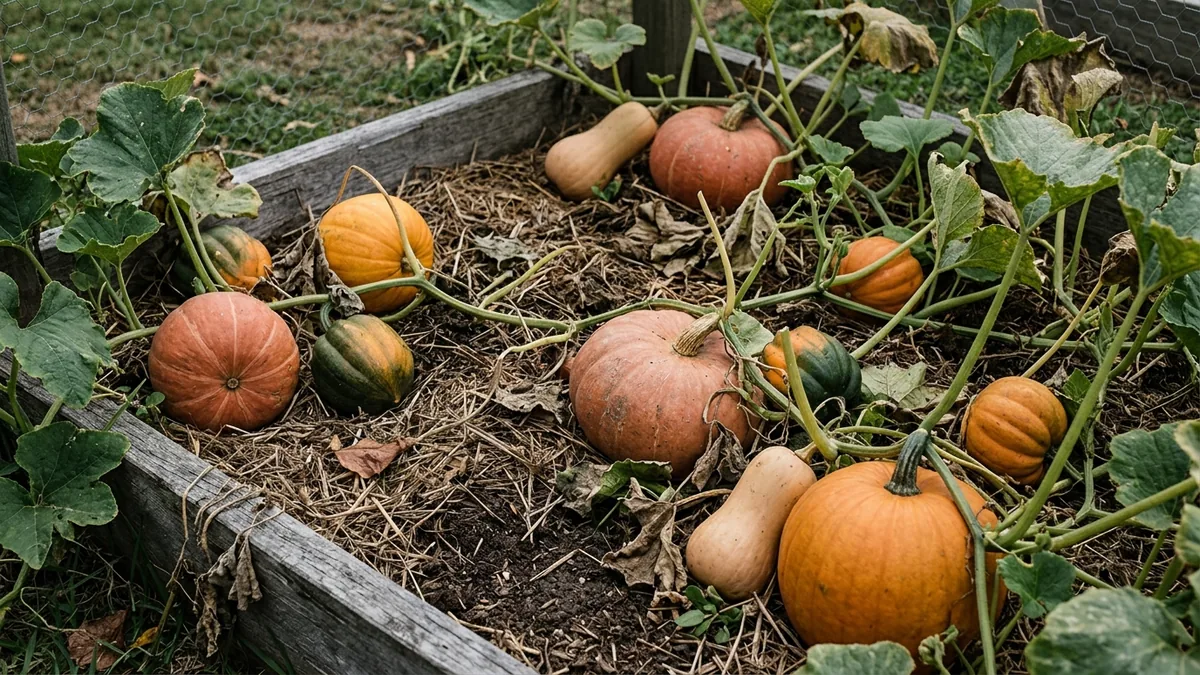
Zone 6 pumpkins are sown in May and June across the Midwest, the Northeast and the Mountain West, and from May to July in Missouri and Kansas. The calendar is short because pumpkins need warm soil and a long season, about 120 days to harvest by our figure.
Zone 6 pumpkins planting months by region
| Planting region | Share of zone 6 | Sow or set out pumpkins | Last frost, zone 6 ZIP codes | First frost, zone 6 ZIP codes |
|---|---|---|---|---|
| Midwest & Great Lakes Continental, cold winters and warm summers | 38 percent | May and June | April 23 | October 21 |
| Northeast & New England Cold winters, warm humid summers | 30 percent | May and June | April 30 | October 17 |
| Southern Plains Hot summers, two planting seasons | 15 percent | May to July | April 16 | October 21 |
| Mountain West High-elevation, dry, big day-night swings | 7 percent | May and June | May 10 | October 5 |
Other regions (9 percent of the zone): Mid-Atlantic, Mid-South, Pacific Northwest.
How we built this table: we placed all 10,458 zone 6 ZIP codes (2023 USDA map) in our planting regions; the months are each region's own calendar and the frost dates are NOAA 1991 to 2020 medians for the zone's ZIP codes there.
Counting back from the carving date
For a Halloween pumpkin, work backward. Counting 120 days back from October 31 points to early July, which is later than the Midwest window runs, so Midwest gardeners should sow in the first half of theirs. A fruit started in May is ripe in September and can sit in the field for weeks, which risks rot. Zone 6 ZIP codes have a first frost around October 21 in the Midwest and October 17 in the Northeast. Plant a main crop in the middle of the window, and keep the last part for fast, small types.
Seed sown into cold soil rots, and pumpkin seed wants about 70°F in the ground. The Midwest has a typical last frost of April 23, but soil heat arrives weeks after, so wait until it is warm instead of rushing. Illinois grows more pumpkins than any other state, mostly for canning, and the growers there plant in late spring for that reason. In the Mountain West part of zone 6, with only about 146 frost-free days, choose varieties that mature in 90 to 100 days, such as Small Sugar.
Give each hill about 5 feet (150 cm) in every direction, our spacing, and water at the base to keep the leaves dry. Pumpkins have separate male and female flowers, and in cool or wet weather, when bees are scarce, you can hand-pollinate with a small brush. Squash bugs and powdery mildew are the usual late-season trouble in the Midwest. Our guides on why pumpkins rot on the vine and when to harvest pumpkins cover the end of the season.
Zone 6 pumpkins questions
When should I plant pumpkins in zone 6 for Halloween?
In the Midwest, the Northeast and the Mountain West, late in the window shown above works for varieties that mature in about 100 days, and earlier suits big carving types that need 120. In Missouri and Kansas, count back from late October, because the season is longer and heat is the limit.
Can I start pumpkins indoors in zone 6?
Yes, about three weeks before the planting date, in individual pots, because the roots resent disturbance. Harden the seedlings off for a week and set them out only when the soil is warm. Direct seeding after the soil has warmed usually catches up, so indoor starts matter most in the Mountain West.
Growing advice follows published guidance from University of Illinois Extension and Kansas State University Research and Extension, pumpkin guidance.
Keep planning
- How to grow pumpkins: the full guide
- Pumpkins planting calendar for every region
- Zone 6a planting calendar and zone 6b planting calendar
- All USDA zones and the Frost Lookup by ZIP code
- When to plant pumpkins in zone 7
- When to plant beets in zone 6
- When to plant carrots in zone 6
- When to plant strawberries in zone 6
- When to plant tomatoes in zone 6
- When to plant garlic in zone 6
- When to plant onions in zone 6
- When to plant potatoes in zone 6