
When to Plant Watermelon in Zone 8
USDA zone 8 covers zones 8a and 8b, with winter lows of 10 to 20°F (-12 to -7°C).
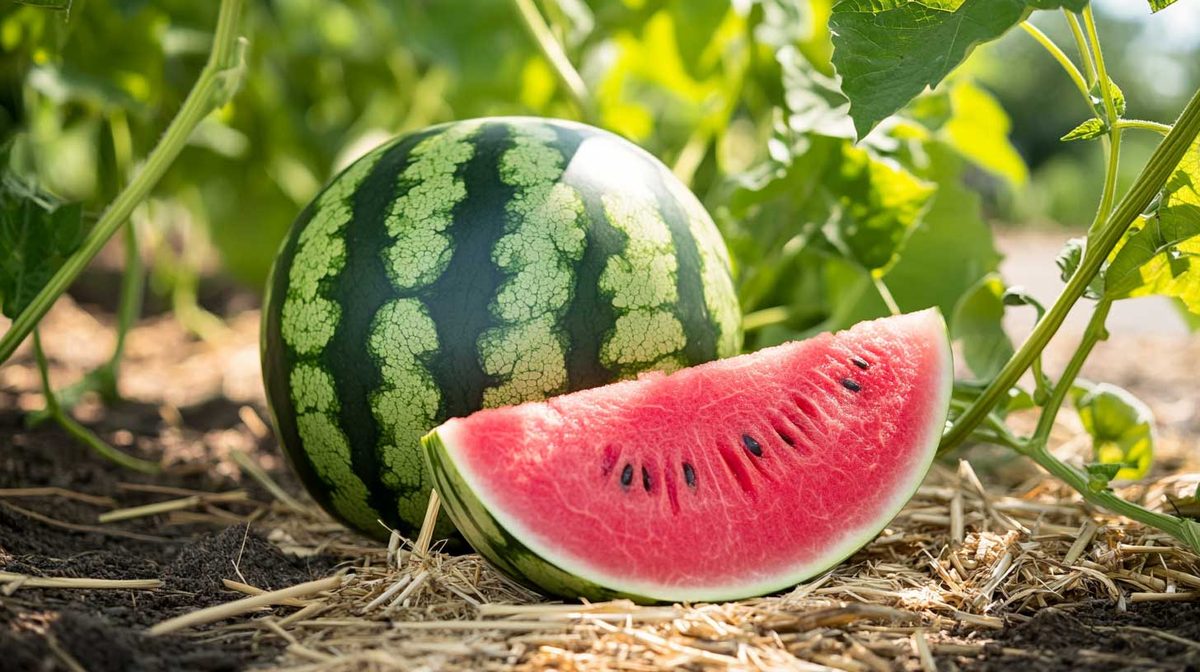
Zone 8 grows watermelon from the Gulf to the Northwest. The Gulf South and Texas sow in March and April, Georgia, the Carolinas, Arkansas and coastal Virginia from May to July. Western Washington and Oregon sow in May and June.
Zone 8 watermelon planting months by region
| Planting region | Share of zone 8 | Sow or set out watermelon | Last frost, zone 8 ZIP codes | First frost, zone 8 ZIP codes |
|---|---|---|---|---|
| Mid-South Warm temperate | 36 percent | May to July | March 27 | November 7 |
| Gulf South Humid subtropical | 21 percent | March and April | March 19 | November 11 |
| Texas Hot summers, spring and fall seasons | 19 percent | March and April | March 16 | November 14 |
| Mid-Atlantic Humid subtropical, four seasons | 9 percent | May to July | March 30 | November 12 |
| Pacific Northwest Maritime, mild wet winters and cool summers | 8 percent | May and June | April 7 | November 3 |
Other regions (7 percent of the zone): Southern Plains, Northern California & Central Valley, Desert Southwest, Mountain West, Southern California.
How we built this table: we placed all 6,809 zone 8 ZIP codes (2023 USDA map) in our planting regions; the months are each region's own calendar and the frost dates are NOAA 1991 to 2020 medians for the zone's ZIP codes there.
Warm soil first, and a wilt that stays for years
Watermelon wants warm soil above about 70°F, and the Gulf and Texas windows open as soon as it is reached, after a last frost around March 19 in the Gulf South and March 16 in Texas. A crop needs about 90 days, our figure, so a spring planting gives fruit by early summer. Georgia and Texas are among the largest watermelon states, and the growers there time plantings to the soil, then watch the 90 days. In the Mid-South, a planting in the last month of the window still ripens before the first frost, around November 7.
Fusarium wilt is the long-term problem. The fungus lives in the soil for many years, and a vine that wilts on a sunny afternoon after a good start is a warning sign. Plant resistant varieties such as Charleston Gray, rotate with a gap of five years or more between melon crops, and do not move soil or tools from an infected patch. Watermelon vines also need bees, and you will see multiple visits to each flower before a good fruit forms.
The Pacific Northwest part of the zone is marginal. The typical last frost is April 7, but nights stay cool well into June, and long-season melons sulk. Icebox varieties such as Sugar Baby, which our plant guide lists, mature faster. Black plastic and a row cover warm the soil. To tell when a melon is ready, look for a creamy yellow patch on the underside, a dried tendril nearest the fruit and a hollow sound when tapped. See our guide to watermelon varieties.
Zone 8 watermelon questions
Can I plant watermelon in March in zone 8?
In the Gulf South and Texas our calendars open in March, once the soil has warmed to about 70°F. In the Mid-South, the Mid-Atlantic and the Northwest the window opens in May. A cold, wet March planting rots, so wait for warm soil.
How many watermelons will one vine give in zone 8?
Usually two to four full-size fruits from a long-season variety, and more from small icebox types. Vines need about 5 feet (150 cm) in every direction, our spacing, and plenty of water while the fruits swell.
Growing advice follows published guidance from University of Georgia Extension and Texas A&M AgriLife Extension, watermelon guidance.
Keep planning
- How to grow watermelon: the full guide
- Watermelon planting calendar for every region
- Zone 8a planting calendar and zone 8b planting calendar
- All USDA zones and the Frost Lookup by ZIP code
- When to plant broccoli in zone 8
- When to plant carrots in zone 8
- When to plant strawberries in zone 8
- When to plant sweet potatoes in zone 8
- When to plant tomatoes in zone 8
- When to plant sweet corn in zone 8
- When to plant garlic in zone 8