
When to Plant Tomatoes in Zone 9
USDA zone 9 covers zones 9a and 9b, with winter lows of 20 to 30°F (-7 to -1°C).
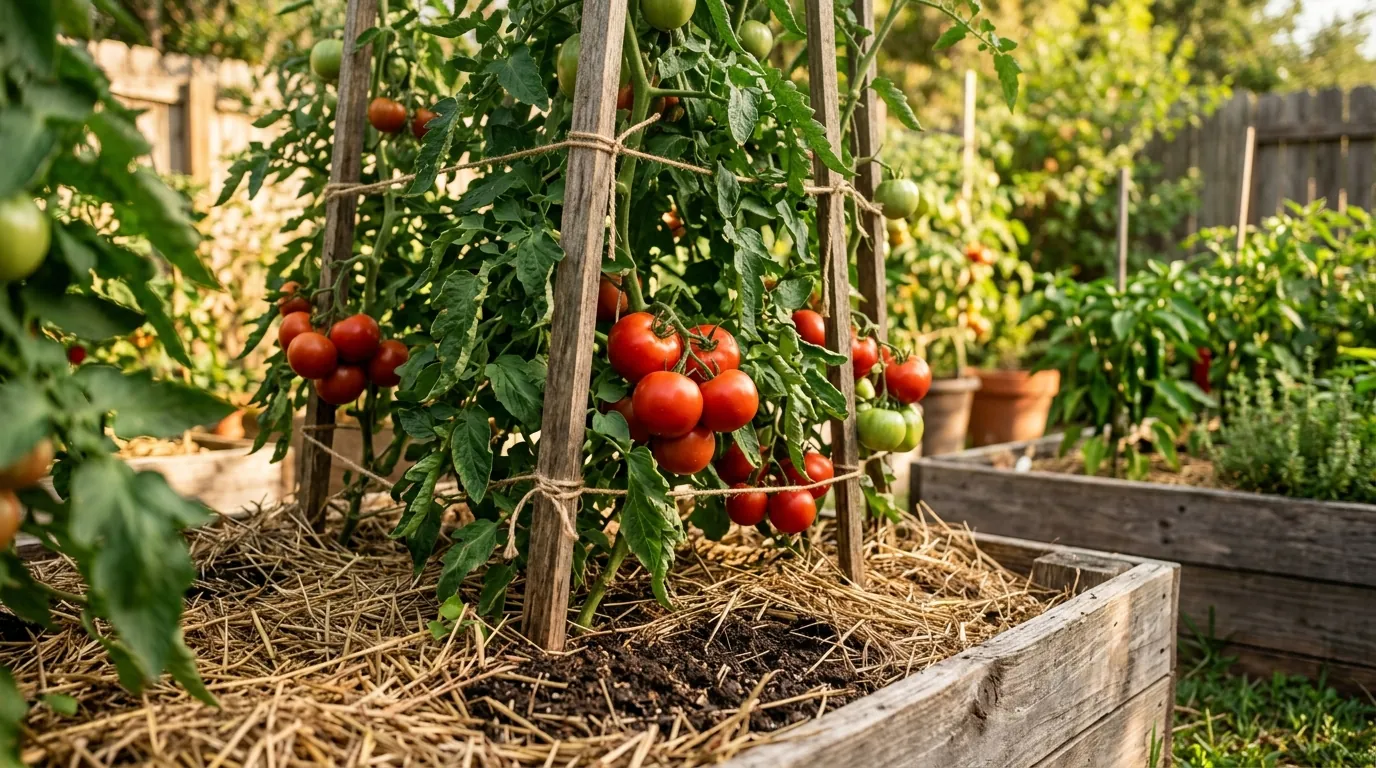
Zone 9 has no single tomato date, because it runs from the Gulf Coast and Florida across Texas to the Arizona desert and the California valleys, and our calendars differ for each. Central Florida sets out plants in January and February and again in August and September, the Arizona low desert in February and March and in August and September, and California's Central Valley from March to July.
Zone 9 tomatoes planting months by region
| Planting region | Share of zone 9 | Set out tomato plants | Last frost, zone 9 ZIP codes | First frost, zone 9 ZIP codes |
|---|---|---|---|---|
| Texas Hot summers, spring and fall seasons | 23 percent | March, then July and August | February 20 | December 3 |
| Gulf South Humid subtropical | 21 percent | March and April, then July and August | March 2 | November 26 |
| Northern California & Central Valley Mediterranean, mild winters and hot dry summers | 17 percent | March to July | February 22 | December 1 |
| Desert Southwest Low desert, hot and dry | 9 percent | February and March, then August and September | February 1 | December 10 |
| North Florida Humid subtropical, mild winter | 9 percent | February to April, then July and August | March 1 | December 1 |
| Southern California Mediterranean | 9 percent | March to July | February 2 | December 8 |
| Pacific Northwest Maritime, mild wet winters and cool summers | 6 percent | May and June | March 13 | November 17 |
| Central Florida Subtropical | 5 percent | January and February, then August and September | Rare | Rare |
Other regions (2 percent of the zone): Mid-South.
How we built this table: we placed all 4,284 zone 9 ZIP codes (2023 USDA map) in our planting regions; the months are each region's own calendar and the frost dates are NOAA 1991 to 2020 medians for the zone's ZIP codes there.
Zone 9 means eight different tomato calendars
In the southeast, zone 9 tomatoes are a cool-season crop, which surprises gardeners from further north. Tomatoes set fruit best with nights between about 55 and 75°F, and a Florida summer sits above that for months. Planting in the first part of the year and again in late summer, as our Central Florida calendar does, puts the flowering into milder weather. Sandy Florida soils carry root-knot nematodes, so choose varieties with the N resistance label and mulch to hold moisture.
The Arizona low desert runs on two seasons for similar reasons. Zone 9 ZIP codes there have a typical last frost of February 1 and a first frost of December 10, so spring plants go in early and have to finish before daytime highs above 100°F stop fruit set. Plants set out in late summer for fall are the second chance and need 30 to 50 percent shade cloth at first. Small-fruited types, such as cherry tomatoes, tolerate heat better than large slicers.
California's Central Valley has the longest window because summers are long, hot and dry rather than humid, and blight is rarely a problem. The risks are sunscald and heat waves, so keep leaf cover over the fruit and use drip irrigation to keep moisture steady. The typical last frost for zone 9 ZIP codes in the valley is February 22. The valley grows most of the processing tomatoes in the United States, a sign of how well the crop suits its summer.
Zone 9 tomatoes questions
Can I grow tomatoes through winter in zone 9?
In the mildest places you can start them in winter: our Central Florida calendar sets out plants in January and February. Frost can still arrive, so keep a cover ready, and note that the typical last frost in North Florida zone 9 ZIP codes is March 1.
Which row of the table should I follow in zone 9?
Follow the region where you garden, not the zone number alone. Each row shows that region's own planting months and the median frost dates of the zone's ZIP codes there. If you are unsure which region you are in, the region links in the table lead to the full calendars.
Growing advice follows published guidance from University of Florida IFAS Extension and University of Arizona Cooperative Extension, home garden tomato guidance.
Keep planning
- How to grow tomatoes: the full guide
- Tomatoes planting calendar for every region
- Zone 9a planting calendar and zone 9b planting calendar
- All USDA zones and the Frost Lookup by ZIP code
- When to plant tomatoes in zone 8
- When to plant strawberries in zone 9
- When to plant sweet potatoes in zone 9
- When to plant garlic in zone 9
- When to plant potatoes in zone 9