
USDA Zone 9b Planting Calendar: What to Plant and When
Zone 9b means an average lowest winter temperature of 25 to 30 degrees Fahrenheit (-4 to -1 Celsius).
Your growing region in zone 9b
Zone 9b runs through the regions below. Each one has a month by month sowing calendar built on its own frost dates and summer heat, not on the zone number.
| Region | Zone range | Frost window |
|---|---|---|
| North Florida | 9a-9b | February 15 to December 5 |
| Central Florida | 9b-10b | effectively frost free |
| Gulf South | 8a-9b | February 25 to December 1 |
| Desert Southwest | 7a-10a | February 5 to December 5 |
| Texas | 8a-10a | March 1 to November 28 |
| Southern California | 9b-10b | effectively frost free |
| Northern California & Central Valley | 7b-10a | February 28 to November 17 |
What to plant now in zone 9b: October 2026, region by region
Zone 9b runs through North Florida, Central Florida, Gulf South, Desert Southwest, Texas, Southern California and Northern California & Central Valley, and each of them plants on its own calendar. These are the vegetables to sow or plant this month in each region, from the same data as the region calendars; follow the links for herbs, fruit and the full year.
| Region | Vegetables to sow this month | Calendars |
|---|---|---|
| North Florida | 48 vegetables, including Peas, Snow Peas, Lettuce, Spinach, Swiss Chard, Kale, Collard Greens, Broccoli, Cabbage, Cauliflower, Carrot, Beet and 36 more. | October in North Florida North Florida vegetable planting calendar |
| Central Florida | 47 vegetables, including Peas, Snow Peas, Lettuce, Spinach, Swiss Chard, Kale, Collard Greens, Broccoli, Cabbage, Cauliflower, Carrot, Beet and 35 more. | October in Central Florida Central Florida vegetable planting calendar |
| Gulf South | 48 vegetables, including Peas, Snow Peas, Lettuce, Spinach, Swiss Chard, Kale, Collard Greens, Broccoli, Cabbage, Cauliflower, Carrot, Beet and 36 more. | October in Gulf South Gulf South vegetable planting calendar |
| Desert Southwest | 46 vegetables, including Peas, Snow Peas, Lettuce, Spinach, Kale, Collard Greens, Broccoli, Cabbage, Cauliflower, Carrot, Beet, Radish and 34 more. | October in Desert Southwest Desert Southwest vegetable planting calendar |
| Texas | 38 vegetables, including Lettuce, Spinach, Kale, Collard Greens, Carrot, Beet, Radish, Turnip, Onion, Garlic, Potato, Arugula and 26 more. | October in Texas Texas vegetable planting calendar |
| Southern California | 54 vegetables, including Peas, Snow Peas, Lettuce, Spinach, Swiss Chard, Kale, Collard Greens, Broccoli, Cabbage, Cauliflower, Carrot, Beet and 42 more. | October in Southern California Southern California vegetable planting calendar |
| Northern California & Central Valley | 45 vegetables, including Peas, Snow Peas, Lettuce, Spinach, Swiss Chard, Kale, Collard Greens, Broccoli, Cabbage, Cauliflower, Carrot, Beet and 33 more. | October in Northern California Northern California vegetable planting calendar |
Zone 9b planting calendar: what to plant each month
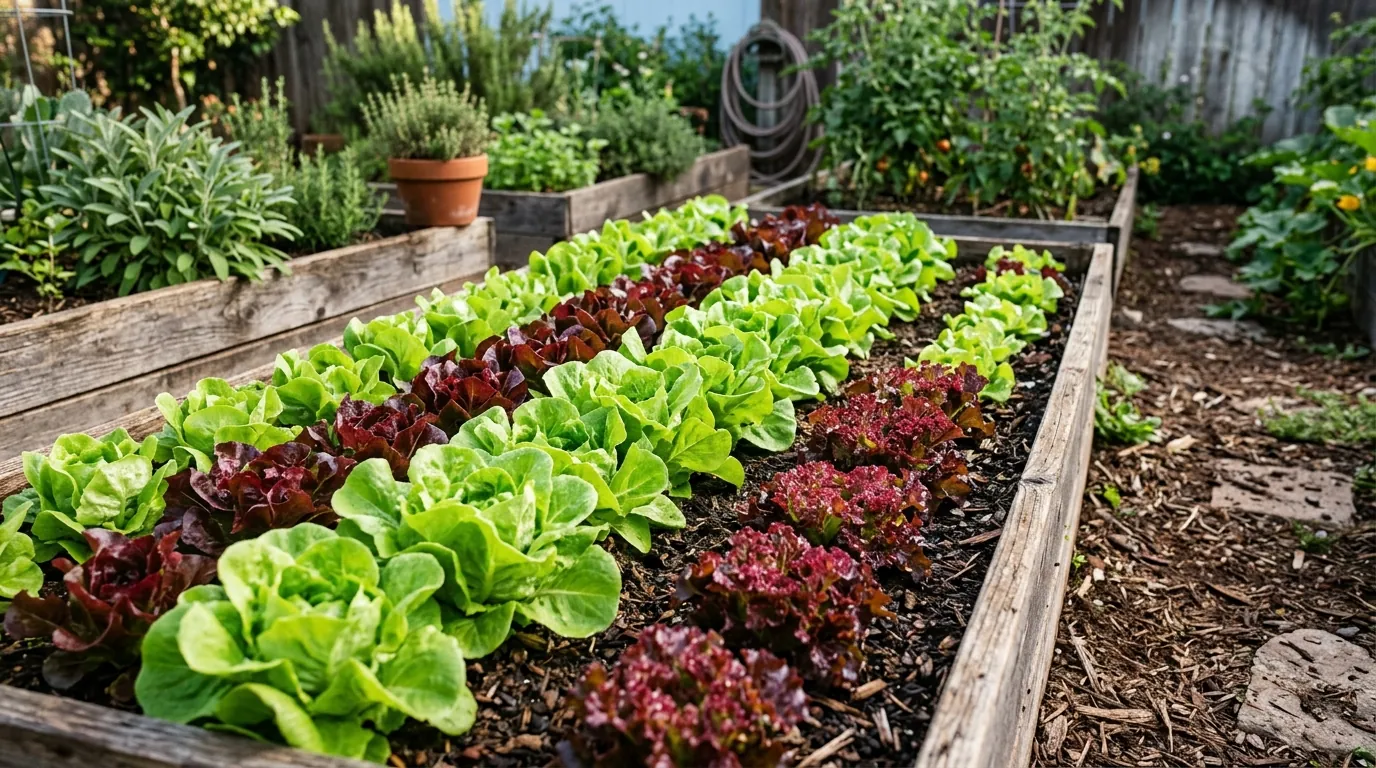
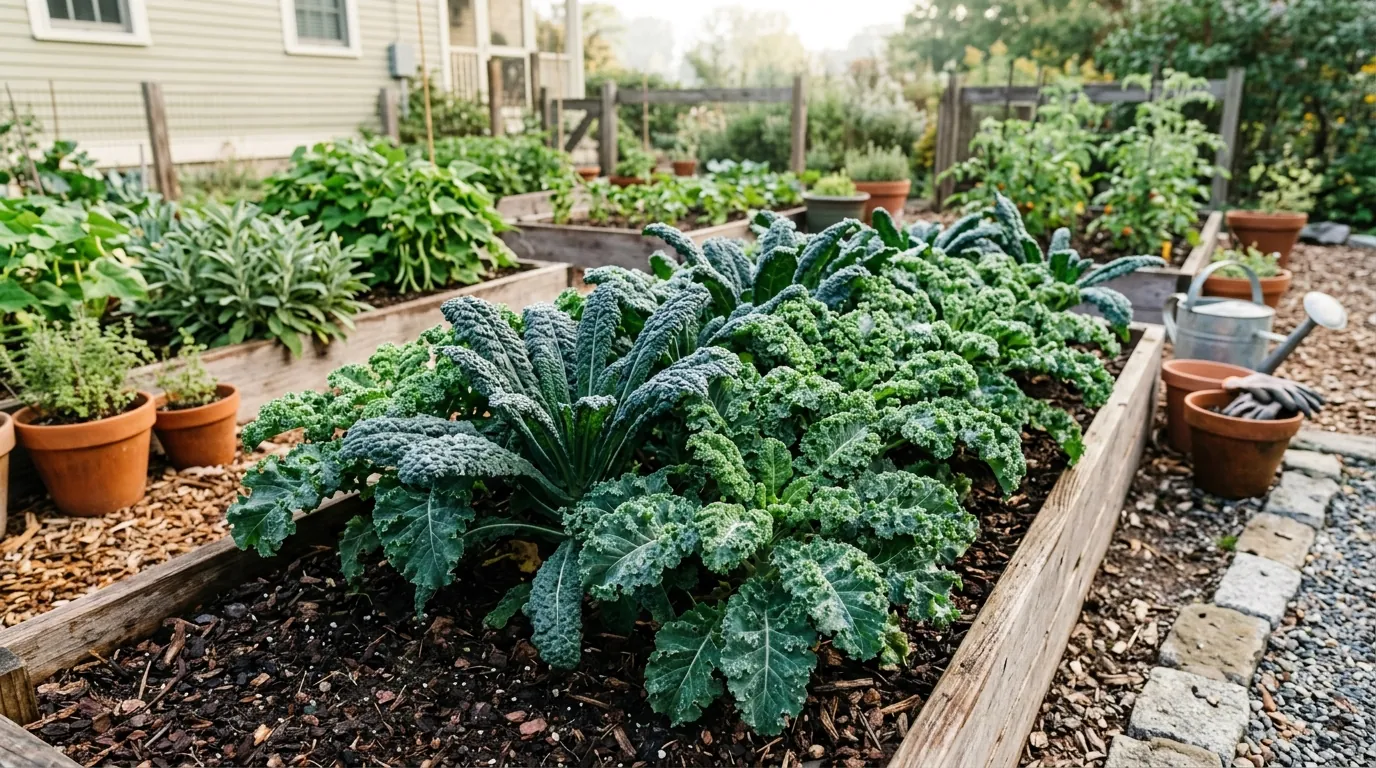
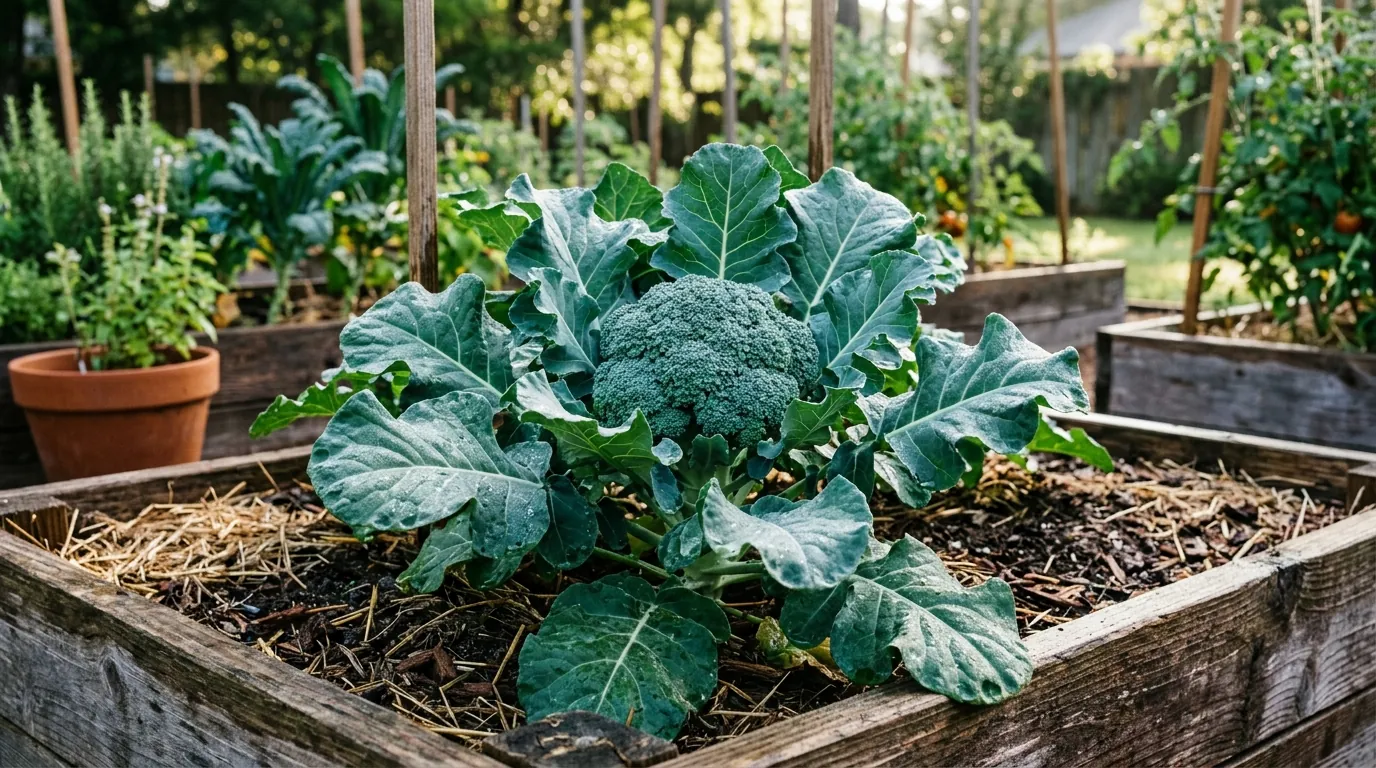
Zone 9b covers 7 of our regions: North Florida, Central Florida, Gulf South, Desert Southwest, Texas, Southern California and Northern California. A zone shares a winter low, not a planting calendar, so this calendar follows each region's own sowing windows from our data. For each month, the second column lists the vegetables that every region in zone 9b can sow or plant, and the region columns give the number of vegetables each region can sow, linked to that region's month page with the full list. Each month name links to the national page for that month.
| Month | Vegetables to sow in every region of zone 9b | North Florida | Central Florida | Gulf South | Desert Southwest | Texas | Southern California | Northern California |
|---|---|---|---|---|---|---|---|---|
| January | 8 vegetables: Broccoli, Cabbage, Cauliflower, Asparagus, Globe Artichoke, Kohlrabi, Mustard Greens and Sunchoke. | 50 | 53 | 28 | 39 | 11 | 52 | 42 |
| February | 10 vegetables: Lettuce, Spinach, Kale, Asparagus, Bok Choy, Globe Artichoke, Komatsuna, Mizuna, Sunchoke and Tatsoi. | 48 | 43 | 43 | 29 | 40 | 54 | 46 |
| March | 13 vegetables, including Bell Pepper, Chili Pepper, Zucchini, Squash, Cucumber, Sweet Corn, Bush Beans, Swiss Chard, Bitter Melon, Edamame and 3 more. | 31 | 40 | 29 | 28 | 20 | 45 | 79 |
| April | 11 vegetables, including Okra, Southern Peas, Sweet Potato, Amaranth, Hyacinth Bean (Lablab), Lima Beans, Malabar Spinach, New Zealand Spinach, Peanuts, Sorghum and 1 more. | 36 | 22 | 33 | 12 | 28 | 41 | 41 |
| May | 4 vegetables: Okra, Sweet Potato, Amaranth and Malabar Spinach. | 15 | 18 | 17 | 4 | 17 | 38 | 37 |
| June | 4 vegetables: Okra, Sweet Potato, Amaranth and Malabar Spinach. | 11 | 4 | 14 | 4 | 15 | 37 | 35 |
| July | No vegetable in every region; see the region counts. | 8 | 5 | 8 | 4 | 9 | 37 | 35 |
| August | No vegetable in every region; see the region counts. | 16 | 26 | 15 | 23 | 29 | 0 | 45 |
| September | 24 vegetables, including Peas, Snow Peas, Lettuce, Spinach, Kale, Broccoli, Cabbage, Cauliflower, Carrot, Beet and 14 more. | 39 | 50 | 52 | 54 | 44 | 54 | 42 |
| October | 31 vegetables, including Lettuce, Spinach, Kale, Collard Greens, Carrot, Beet, Radish, Turnip, Onion, Garlic and 21 more. | 48 | 47 | 48 | 46 | 38 | 54 | 45 |
| November | 3 vegetables: Onion, Garlic and Shallot. | 38 | 47 | 25 | 42 | 3 | 52 | 41 |
| December | No vegetable in every region; see the region counts. | 20 | 39 | 20 | 6 | 0 | 2 | 38 |
Zone 9b planting dates by crop
The first and last months to sow or plant 36 popular vegetables, herbs and fruit in each region of zone 9b. A range such as Feb to Apr means you can sow from February through April, and two ranges mean a spring and a fall window. Where our data has a crop set out as transplants, the months are transplanting months. Each crop links to its plant page, which shows the calendar for any region.
| Crop | North Florida | Central Florida | Gulf South | Desert Southwest | Texas | Southern California | Northern California |
|---|---|---|---|---|---|---|---|
| Tomato | Feb to Apr and Jul to Aug | Jan to Feb and Aug to Sep | Mar to Apr and Jul to Aug | Feb to Mar and Aug to Sep | Mar and Jul to Aug | Mar to Jul | Mar to Jul |
| Bell Pepper | Feb to Apr and Jul to Aug | Jan to Mar and Aug to Sep | Mar to Apr and Jul to Aug | Feb to Mar and Aug | Mar and Jul to Aug | Mar to Jul | Mar to Jul |
| Chili Pepper | Feb to Apr and Jul to Aug | Jan to Mar and Aug to Sep | Mar to Apr and Jul to Aug | Feb to Mar and Aug to Sep | Mar and Jul to Aug | Mar to Jul | Mar to Jul |
| Eggplant | Feb to Mar and Aug | Jan to Feb and Aug to Sep | Mar to Apr and Aug | Feb to Mar and Aug | Mar and Jul to Aug | Mar to Jul | Mar to Jul |
| Zucchini | Mar to Apr and Aug to Sep | Jan to Mar and Aug to Sep | Mar to Apr and Aug to Sep | Feb to Mar and Aug to Sep | Mar to Apr and Aug | Mar to Jul | Mar to Jul |
| Squash | Mar to Apr and Aug to Sep | Jan to Mar and Aug to Sep | Mar to Apr and Aug to Sep | Feb to Mar and Aug to Sep | Mar to Apr and Aug | Mar to Jul | Mar to Jul |
| Cucumber | Mar to Apr and Jul to Sep | Jan to Mar and Sep | Mar to Apr and Jul to Sep | Feb to Mar and Aug to Sep | Mar to Apr and Aug | Mar to Jul | Mar to Jul |
| Pumpkin | Mar to Apr and Jul | Feb to Mar and Jul to Sep | Mar to Apr and Jul | Mar and Aug | Apr and Jun | Mar to Jul | Mar to Jul |
| Sweet Corn | Mar to Apr | Jan to Apr | Mar to Apr | Feb to Mar | Mar to Apr | Mar to Jul | Mar to Jul |
| Bush Beans | Mar to Apr and Aug to Sep | Feb to Apr and Aug to Sep | Mar to Apr and Aug to Sep | Feb to Mar and Aug to Sep | Mar to Apr and Aug | Mar to Jul | Mar to Jul |
| Peas | Jan to Feb and Sep to Oct | Sep to Feb | Jan to Feb and Sep to Oct | Jan and Sep to Oct | Feb and Sep | Jan to Feb and Sep to Nov | Aug to Mar |
| Snow Peas | Sep to Feb | Sep to Feb | Sep to Feb | Jan and Sep to Oct | Feb and Sep | Jan to Feb and Sep to Nov | Aug to Mar |
| Okra | Mar to Jul | Mar to Aug | Mar to Jul | Apr to Jul | Apr to Jun | Apr to Jul | Mar to Jul |
| Southern Peas | Apr to Jun | Mar to May and Aug | Apr to Jun | Mar to Apr and Aug | Apr to Jun | Apr to Jul | Mar to Jul |
| Lettuce | Feb to Mar and Sep to Oct | Sep to Mar | Feb to Mar and Sep to Oct | Sep to Feb | Feb and Sep to Oct | Jan to Mar and Sep to Nov | Aug to Mar |
| Spinach | Sep to Feb | Sep to Feb | Sep to Feb | Sep to Feb | Feb and Sep to Oct | Jan to Mar and Sep to Nov | Aug to Mar |
| Swiss Chard | Feb to Apr and Sep to Nov | Sep to Mar | Feb to Apr and Sep to Nov | Feb to Mar and Aug to Sep | Mar to Apr and Aug | Feb to Apr and Sep to Oct | Feb to Mar and Sep to Oct |
| Kale | Sep to Feb | Sep to Feb | Sep to Feb | Sep to Feb | Feb and Sep to Oct | Jan to Mar and Sep to Nov | Aug to Mar |
| Collard Greens | Jan to Feb and Oct to Nov | Oct to Jan | Feb and Sep to Oct | Jan and Sep to Nov | Feb and Sep to Oct | Jan to Mar and Sep to Nov | Aug to Mar |
| Broccoli | Sep to Feb | Aug to Jan | Sep to Feb | Jan and Sep to Nov | Jan to Feb and Aug to Sep | Jan to Feb and Sep to Nov | Aug to Mar |
| Cabbage | Sep to Feb | Sep to Jan | Sep to Feb | Jan and Sep to Nov | Jan to Feb and Aug to Sep | Jan to Feb and Sep to Nov | Aug to Mar |
| Cauliflower | Sep to Feb | Sep to Jan | Sep to Feb | Jan and Sep to Nov | Jan to Feb and Aug to Sep | Jan to Feb and Sep to Nov | Aug to Mar |
| Carrot | Aug to Mar | Sep to Mar | Aug to Mar | Jan and Sep to Nov | Feb and Sep to Oct | Jan to Feb and Sep to Nov | Aug to Mar |
| Beet | Sep to Feb | Sep to Feb | Sep to Feb | Jan and Sep to Nov | Feb and Sep to Oct | Jan to Feb and Sep to Nov | Aug to Mar |
| Radish | Sep to Feb | Sep to Feb | Sep to Feb | Jan and Sep to Nov | Feb and Sep to Oct | Jan to Feb and Sep to Nov | Aug to Mar |
| Turnip | Sep to Feb | Sep to Feb | Sep to Feb | Jan and Sep to Nov | Feb and Sep to Oct | Jan to Feb and Sep to Nov | Aug to Mar |
| Onion | Sep to Jan | Sep to Jan | Sep to Jan | Oct to Nov | Jan and Oct to Nov | Jan to Feb and Sep to Nov | Aug and Oct to Jan |
| Garlic | Sep to Feb | Sep to Feb | Sep to Feb | Oct to Nov | Jan and Oct to Nov | Jan to Feb and Sep to Nov | Oct to Nov |
| Potato | Jan to Feb | Jan to Feb | Jan to Feb | Jan and Sep to Nov | Feb and Sep to Oct | Jan to Feb and Sep to Nov | Aug to Mar |
| Sweet Potato | Apr to Jun | Mar to Jul | Apr to Jun | Apr to Jul | Apr to Jun | Apr to Jul | Apr to Jun |
| Basil | Mar to Apr and Aug to Sep | Feb to Mar and Aug to Sep | Mar to Apr and Aug to Sep | Mar to Apr and Sep | Mar to Apr | Mar to Jul | Mar to Jul |
| Cilantro | Sep to Feb | Sep to Feb | Sep to Feb | Jan to Feb and Oct to Nov | Feb and Sep to Oct | Jan to Feb and Sep to Nov | Aug to Mar |
| Parsley | Feb to Apr and Sep to Nov | Sep to Mar | Feb to Apr and Sep to Nov | Jan to Feb and Oct to Nov | Feb and Sep to Oct | Feb to Apr and Sep to Oct | Feb to Mar and Sep to Oct |
| Strawberry | Sep to Oct | Sep to Oct | Sep to Oct | Oct to Nov | Feb and Oct | Mar to Apr and Oct | Nov to Feb |
| Watermelon | Mar to Apr | Jan to Mar | Mar to Apr | Feb to Mar | Mar to Apr | Apr to Jul | Mar to Jul |
| Cantaloupe | Mar to Apr | Jan to Mar | Mar to Apr | Feb to Mar | Mar to Apr | Apr to Jul | Mar to Jul |
Frost dates in zone 9b
Frost dates, not the zone number, set the sowing windows above. These are the regional frost windows from our frost table, with the ZIP code records for a few places in each region. ZIP code figures come from the nearest weather station in the NOAA 1991 to 2020 Climate Normals at the 50 percent level, so in one year out of two the last frost comes later. Check your own ZIP code in the Frost Lookup.
| Region | Frost window | Growing season | ZIP code records |
|---|---|---|---|
| North Florida | February 15 to December 5 | about 293 days | Jacksonville (32202): frost only from about January 5 to February 1 Tallahassee (32301): last frost March 11, first frost November 21 Gainesville (32601): last frost March 3, first frost December 2 Pensacola (32502): last frost February 14, first frost December 9 |
| Central Florida | Effectively frost free | Year round | Orlando (32801): effectively frost free Tampa (33602): effectively frost free Melbourne (32901): effectively frost free Sarasota (34236): effectively frost free |
| Gulf South | February 25 to December 1 | about 279 days | New Orleans (70112): last frost February 1, first frost December 31 Baton Rouge (70801): last frost February 28, first frost November 26 Mobile (36602): last frost February 21, first frost December 6 Gulfport (39501): last frost February 18, first frost December 14 Savannah (31401): last frost March 2, first frost November 30 |
| Desert Southwest | February 5 to December 5 | about 303 days | Phoenix (85004): effectively frost free Tucson (85701): last frost January 20, first frost December 17 Yuma (85364): last frost January 8, first frost December 28 Las Vegas (89101): last frost February 1, first frost December 8 |
| Texas | March 1 to November 28 | about 272 days | Houston (77002): last frost February 2, first frost December 25 Dallas (75201): last frost March 2, first frost November 29 Austin (78701): last frost March 10, first frost November 17 San Antonio (78205): last frost February 25, first frost November 28 Lubbock (79401): last frost March 24, first frost November 11 El Paso (79901): last frost March 2, first frost November 20 |
| Southern California | Effectively frost free | Year round | Los Angeles (90012): effectively frost free San Diego (92101): effectively frost free Santa Barbara (93101): effectively frost free San Francisco (94102): effectively frost free |
| Northern California & Central Valley | February 28 to November 17 | about 262 days | Sacramento (95814): last frost January 12, first frost December 16 Fresno (93721): last frost January 30, first frost December 11 Bakersfield (93301): last frost January 31, first frost December 8 Redding (96001): last frost February 13, first frost December 13 |
What zone 9b is good for
Any perennial, shrub or fruit tree rated to zone 9b or lower should survive a normal winter where you are. That is the question a zone answers well. For fruit trees there is a second number that matters just as much: winter chill hours, which decide whether a variety will set fruit at all. The free app checks both.
Find your dates
Match your zip code to a region, then check the frost dates table for your sowing window.
Questions about zone 9b
What temperature is USDA zone 9b?
Zone 9b has an average annual lowest winter temperature of 25 to 30 degrees Fahrenheit, which is -4 to -1 degrees Celsius.
What can I plant in zone 9b?
Any perennial or fruit tree rated to zone 9b or lower should survive a normal winter there. For annual vegetables the zone is the wrong tool: use your last and first frost dates instead, because they set the sowing window.
Does zone 9b tell me when to plant tomatoes?
No. Sowing dates come from your last spring frost, not your hardiness zone. Two gardens in zone 9b can have frost dates weeks apart.
What should I plant now in zone 9b?
It depends on which region of zone 9b you garden in, because a zone shares a winter low, not a calendar. Zone 9b runs through North Florida, Central Florida, Gulf South, Desert Southwest, Texas, Southern California and Northern California & Central Valley. The table on this page lists the vegetables to sow this month in each of them and links to each region's month page and full vegetable planting calendar.
When to plant tomatoes in zone 9b?
It depends on the region, because zone 9b regions plant on different calendars. Our calendars set out tomatoes in North Florida, February to April and July to August; in Central Florida, January to February and August to September; in the Gulf South, March to April and July to August; in the Desert Southwest, February to March and August to September; in Texas, March and July to August; in Southern California, March to July; in Northern California, March to July. The planting dates table on this page lists the months for every popular crop.
When to plant peppers in zone 9b?
It depends on the region, because zone 9b regions plant on different calendars. Our calendars plant peppers in North Florida, February to April and July to August; in Central Florida, January to March and August to September; in the Gulf South, March to April and July to August; in the Desert Southwest, February to March and August; in Texas, March and July to August; in Southern California, March to July; in Northern California, March to July. The planting dates table on this page lists the months for every popular crop.
When to plant garlic in zone 9b?
It depends on the region, because zone 9b regions plant on different calendars. Our calendars plant garlic in North Florida, September to February; in Central Florida, September to February; in the Gulf South, September to February; in the Desert Southwest, October to November; in Texas, January and October to November; in Southern California, January to February and September to November; in Northern California, October to November. The planting dates table on this page lists the months for every popular crop.
When to plant potatoes in zone 9b?
It depends on the region, because zone 9b regions plant on different calendars. Our calendars plant potatoes in North Florida, January to February; in Central Florida, January to February; in the Gulf South, January to February; in the Desert Southwest, January and September to November; in Texas, February and September to October; in Southern California, January to February and September to November; in Northern California, August to March. The planting dates table on this page lists the months for every popular crop.
When is the last frost in zone 9b?
A zone does not set a frost date, so it depends on the region. In zone 9b, North Florida has an average last spring frost around February 15 and a first fall frost around December 5; Central Florida is effectively frost free; the Gulf South has an average last spring frost around February 25 and a first fall frost around December 1; the Desert Southwest has an average last spring frost around February 5 and a first fall frost around December 5; Texas has an average last spring frost around March 1 and a first fall frost around November 28; Southern California is effectively frost free; Northern California has an average last spring frost around February 28 and a first fall frost around November 17. Check your own ZIP code in the Frost Lookup.