
When to Plant Tomatoes in Zone 6
USDA zone 6 covers zones 6a and 6b, with winter lows of -10 to 0°F (-23 to -18°C).
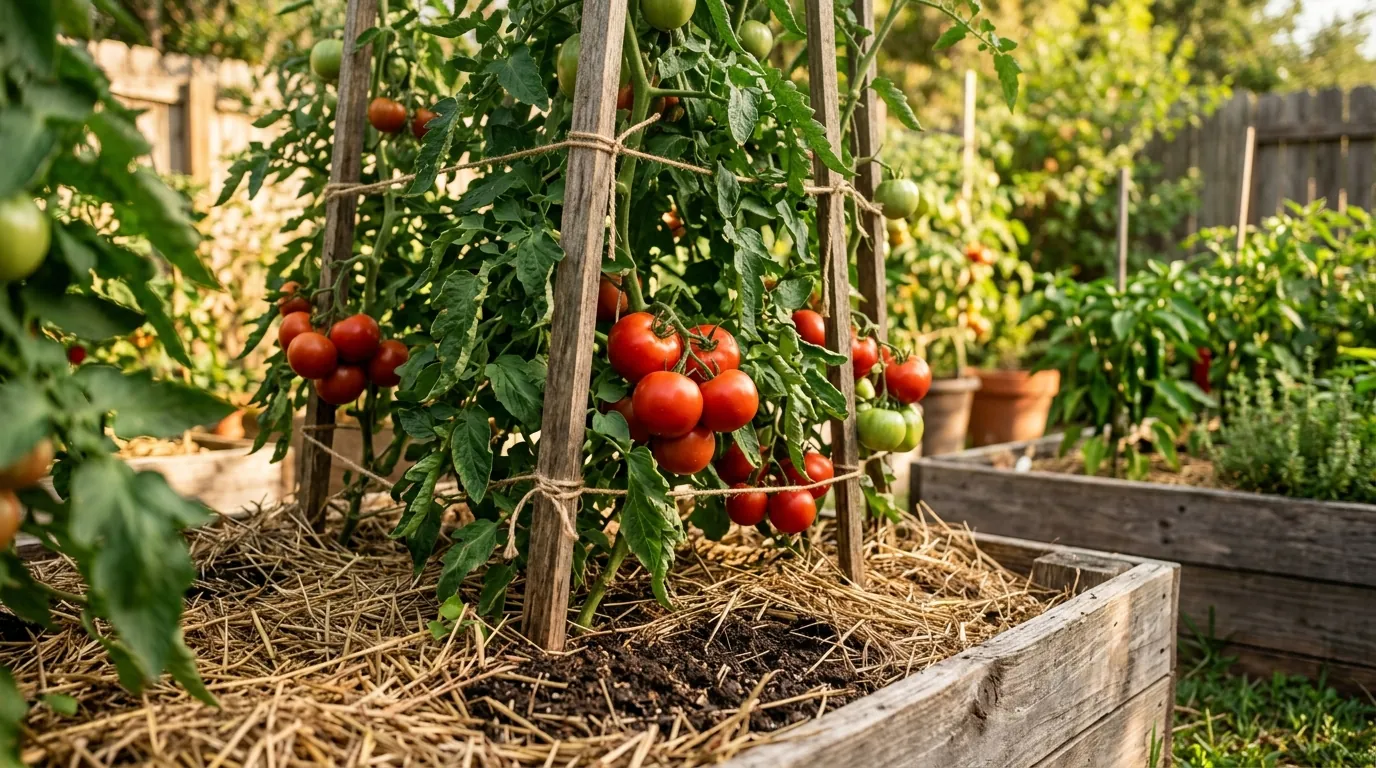
Zone 6 splits in two for tomatoes. Ohio, Indiana, Illinois and Michigan set out plants in May and June, and Pennsylvania, New York and southern New England do the same in May and June. Missouri and Kansas, on our Southern Plains calendar, have a longer window, from May to July.
Zone 6 tomatoes planting months by region
| Planting region | Share of zone 6 | Set out tomato plants | Last frost, zone 6 ZIP codes | First frost, zone 6 ZIP codes |
|---|---|---|---|---|
| Midwest & Great Lakes Continental, cold winters and warm summers | 38 percent | May and June | April 23 | October 21 |
| Northeast & New England Cold winters, warm humid summers | 30 percent | May and June | April 30 | October 17 |
| Southern Plains Hot summers, two planting seasons | 15 percent | May to July | April 16 | October 21 |
| Mountain West High-elevation, dry, big day-night swings | 7 percent | May and June | May 10 | October 5 |
Other regions (9 percent of the zone): Mid-Atlantic, Mid-South, Pacific Northwest.
How we built this table: we placed all 10,458 zone 6 ZIP codes (2023 USDA map) in our planting regions; the months are each region's own calendar and the frost dates are NOAA 1991 to 2020 medians for the zone's ZIP codes there.
Two kinds of summer in one zone
Missouri and Kansas gardeners have the earliest last frost in zone 6, around April 16, and the longest season, about 186 days. They pay for it in summer weather. Stretches above 95°F make the pollen unreliable, and storms bring hail and wind that shred leaves and snap stems. Set plants out early enough to carry the first crop before July heat, and use heavy cages or sturdy stakes rather than flimsy ones.
Further east and north the problem is moisture. Warm, humid nights in July and August favor early blight, septoria leaf spot and, in cool wet spells, late blight, all of which move up the plant from the soil. Zone 6 ZIP codes there have a typical last frost of April 23 in the Midwest and April 30 in the Northeast, so there is no hurry, and a slow start costs less than a crowded, damp bed. Give each plant room, keep it off the ground, mulch to stop soil splashing, and keep tomatoes out of any bed where potatoes grew last year, since the two share blight. Our blight guide shows what each disease looks like.
Rain after a dry spell splits ripening fruit, and zone 6 gets plenty of that pattern. Water deeply once a week in dry weather rather than a little each day, and spread a thick mulch to even out soil moisture; our guide to why tomatoes split covers the rest. In the Mountain West part of the zone, in Colorado, Utah and Idaho, the season is shorter, about 146 frost-free days, so early varieties are the safer choice.
Zone 6 tomatoes questions
Is Mother's Day too early to plant tomatoes in zone 6?
In Missouri and Kansas it often works, since the typical last frost there is April 16. In the Midwest and Northeast the typical last frost is April 23 and April 30, and our calendars there cover May and June, so wait a week or two after Mother's Day unless you can cover the plants.
Should zone 6 gardeners grow determinate or indeterminate tomatoes?
Determinate types ripen over two or three weeks, which suits canning and short seasons such as the Mountain West. Indeterminate types keep setting fruit until frost, which suits Missouri and Kansas with their longer season, but they need strong staking.
Growing advice follows published guidance from University of Missouri Extension and Ohio State University Extension, home garden tomato guidance.
Keep planning
- How to grow tomatoes: the full guide
- Tomatoes planting calendar for every region
- Zone 6a planting calendar and zone 6b planting calendar
- All USDA zones and the Frost Lookup by ZIP code
- When to plant tomatoes in zone 5
- When to plant tomatoes in zone 7
- When to plant beets in zone 6
- When to plant carrots in zone 6
- When to plant pumpkins in zone 6
- When to plant strawberries in zone 6
- When to plant garlic in zone 6
- When to plant onions in zone 6
- When to plant potatoes in zone 6