
When to Plant Beans in Zone 7
USDA zone 7 covers zones 7a and 7b, with winter lows of 0 to 10°F (-18 to -12°C).
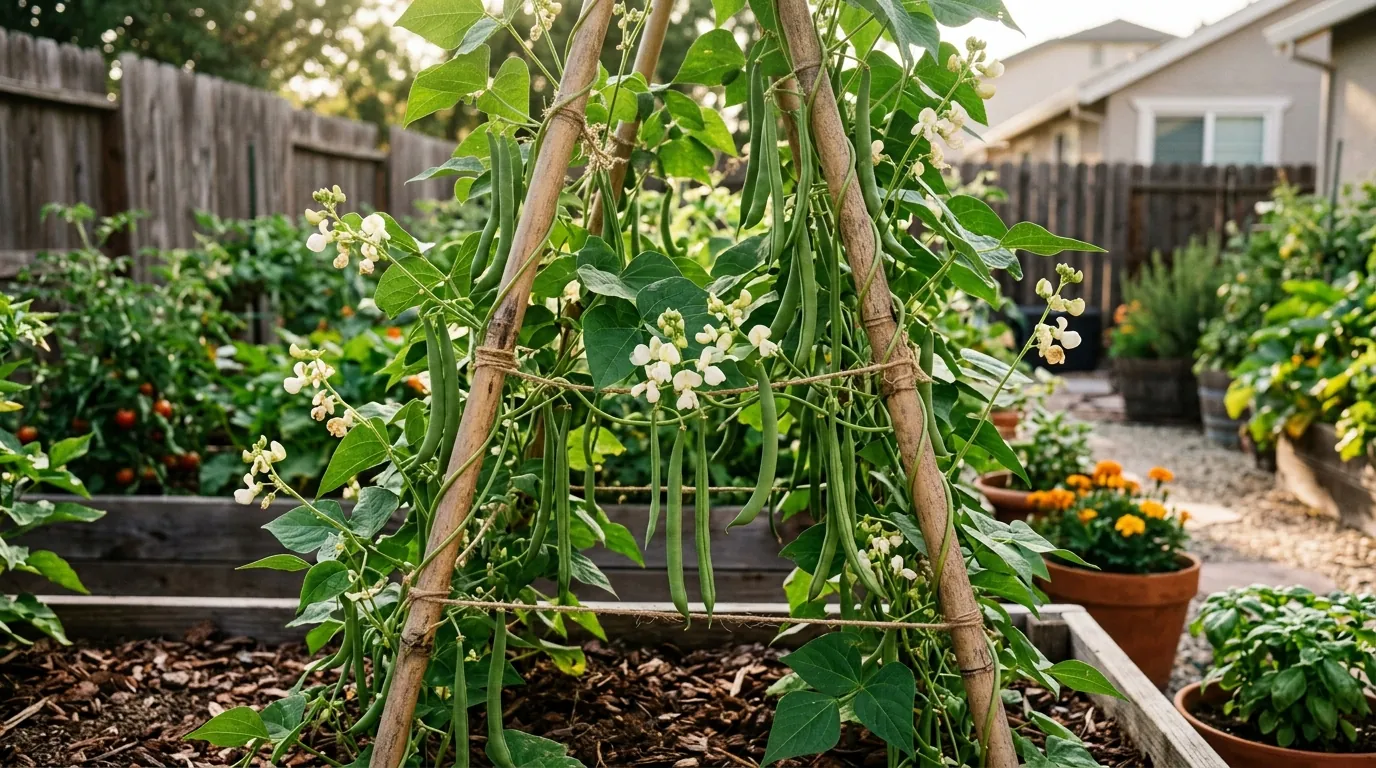
Bush beans are not fussy about much, but they will not tolerate cold soil. Zone 7 gardeners sow from April to June in the Mid-South, from May to July in the Mid-Atlantic and on the Southern Plains, and in May and June in the Northeast and Mountain West.
Zone 7 beans planting months by region
| Planting region | Share of zone 7 | Sow beans | Last frost, zone 7 ZIP codes | First frost, zone 7 ZIP codes |
|---|---|---|---|---|
| Northeast & New England Cold winters, warm humid summers | 27 percent | May and June | April 13 | October 31 |
| Mid-Atlantic Humid subtropical, four seasons | 22 percent | May to July | April 12 | October 29 |
| Mid-South Warm temperate | 22 percent | April to June | April 10 | October 28 |
| Southern Plains Hot summers, two planting seasons | 13 percent | May to July | April 6 | October 31 |
| Mountain West High-elevation, dry, big day-night swings | 5 percent | May and June | April 26 | October 19 |
Other regions (11 percent of the zone): Midwest & Great Lakes, Pacific Northwest, Texas, Gulf South, Desert Southwest, Northern California & Central Valley.
How we built this table: we placed all 8,732 zone 7 ZIP codes (2023 USDA map) in our planting regions; the months are each region's own calendar and the frost dates are NOAA 1991 to 2020 medians for the zone's ZIP codes there.
Warm soil first, then a little sowing every few weeks
Seed in soil below about 60°F rots before it sprouts, which is why the calendar starts after the last frost, a typical April 10 in the Mid-South and April 13 in the Northeast. A week of warm weather beats a date on the calendar. Never soak bean seed before sowing, because it cracks and rots, and plant it about an inch (3 cm) deep and 8 inches (20 cm) apart, our figures.
A bush bean takes about 65 days to harvest, our figure, and fades after a few weeks of picking, so succession is the secret. Sow a short row every two or three weeks while the window is open. The Mid-Atlantic and Southern Plains have the longest window, and a sowing near its end still gives pods before the first frost, around October 29 in the Mid-Atlantic. Provider is a dependable bush bean for cool soils, Contender handles heat, and Jade is long, straight and productive.
Mexican bean beetle is the pest to watch east of the Plains, and it lays yellow egg clusters under the leaves. Crush them while they are small, and pick the crop clean so the beetles have less to eat. Pole types such as Kentucky Wonder use vertical space and keep producing until frost, which makes them a better fit than bush beans for a small garden. Pick pods young, while they are slim and snap cleanly, because overgrown beans toughen and the plant stops flowering. Beans fix their own nitrogen, so go light on fertilizer. Our bean growing guide has more.
Zone 7 beans questions
Can I plant beans in the first warm week of spring in zone 7?
Only in the Mid-South, where our calendar runs from April to June. The Northeast starts in May and June, and a sowing made two weeks later in warm soil usually catches up with an early one in cold ground.
Should I choose bush or pole beans in zone 7?
Bush beans ripen almost all at once in about 65 days, which suits canning and a quick crop. Pole beans start later but bear for months in the long zone 7 season. Many gardeners grow both.
Growing advice follows published guidance from North Carolina State University Extension and University of Kentucky Cooperative Extension, bean guidance.
Keep planning
- How to grow beans: the full guide
- Beans planting calendar for every region
- Zone 7a planting calendar and zone 7b planting calendar
- All USDA zones and the Frost Lookup by ZIP code
- When to plant beans in zone 6
- When to plant beets in zone 7
- When to plant broccoli in zone 7
- When to plant cabbage in zone 7
- When to plant carrots in zone 7
- When to plant cucumbers in zone 7
- When to plant lettuce in zone 7
- When to plant onions in zone 7