
When to Plant Pumpkins in Zone 8
USDA zone 8 covers zones 8a and 8b, with winter lows of 10 to 20°F (-12 to -7°C).
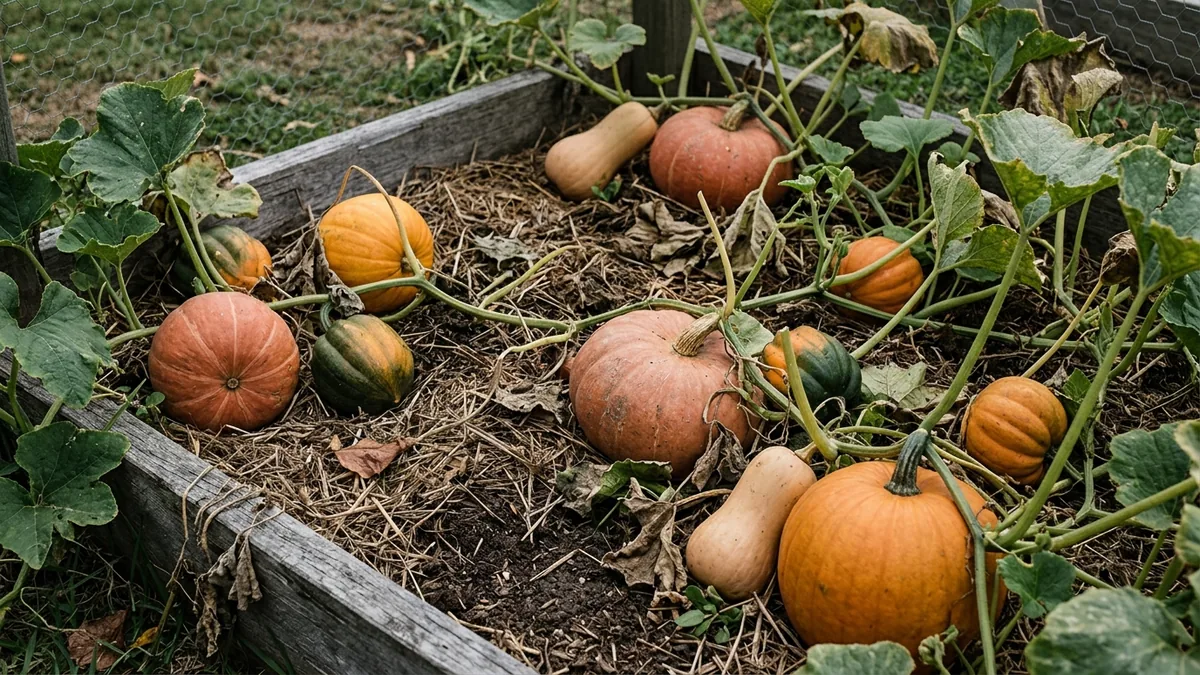
Zone 8 has one of the longest pumpkin seasons in the country, yet the dates are scattered. The Mid-South sows from April to June, the Gulf South in March and April and again in July, Texas in April and in June, the Mid-Atlantic from May to July and the Pacific Northwest in May and June.
Zone 8 pumpkins planting months by region
| Planting region | Share of zone 8 | Sow or set out pumpkins | Last frost, zone 8 ZIP codes | First frost, zone 8 ZIP codes |
|---|---|---|---|---|
| Mid-South Warm temperate | 36 percent | April to June | March 27 | November 7 |
| Gulf South Humid subtropical | 21 percent | March and April, then July | March 19 | November 11 |
| Texas Hot summers, spring and fall seasons | 19 percent | April, then June | March 16 | November 14 |
| Mid-Atlantic Humid subtropical, four seasons | 9 percent | May to July | March 30 | November 12 |
| Pacific Northwest Maritime, mild wet winters and cool summers | 8 percent | May and June | April 7 | November 3 |
Other regions (7 percent of the zone): Southern Plains, Northern California & Central Valley, Desert Southwest, Mountain West, Southern California.
How we built this table: we placed all 6,809 zone 8 ZIP codes (2023 USDA map) in our planting regions; the months are each region's own calendar and the frost dates are NOAA 1991 to 2020 medians for the zone's ZIP codes there.
A long summer helps, but only if the pumpkin ripens in time
A pumpkin needs about 120 days, our figure, so almost any zone 8 garden can fit a crop between the last and first frosts: the Mid-South has about 226 frost-free days and Texas 243. The trouble is the middle of the year. Fruit that ripens in midsummer heat sunburns and rots from the soil side, and squash bugs and vine borers build up through the season. That is why Gulf and Texas gardeners sow so early in spring, and again for a crop that ripens as the weather cools. A late sowing on the Gulf needs nearly every day left before the first frost, around November 11.
Choose the type for the place. Seminole, a Florida heirloom, shrugs off vine borers and humidity, and Long Island Cheese, a flat tan pumpkin that stores into winter, has similar resistance. Both are moschata types, which borers attack less than the common Jack O'Lantern types. If your heart is set on a carving pumpkin, sow Howden or Connecticut Field in the first run and wrap the base of the stem in foil to slow the borers down.
The Pacific Northwest is the exception. A typical last frost near April 7 sounds early, but pumpkin seed rots in soil below about 65°F, nights stay cool into June, and the first frost comes around November 3. Warm the bed under black plastic, start seed indoors in pots and pick a quick type such as Small Sugar, which matures in about 100 days. In the Mid-South, where the typical last frost is March 27, dry weather can cut pollination, so a small brush and a few minutes each morning make a real difference.
Zone 8 pumpkins questions
Can I grow a Halloween pumpkin in zone 8?
In most of the zone, yes. Counting about 120 days, our figure, back from the end of October lands at the start of the summer, so the Gulf South's late sowing in July is the one built for it, and Texas gardeners should sow in June. Mid-South gardeners should use their first dates.
Why do my pumpkin flowers fall off without making fruit?
Pumpkins carry separate male and female flowers, and the first flowers are almost all male. Female flowers have a tiny fruit behind the bloom. If those drop, poor pollination or heat is the cause, so hand-pollinate in the morning and keep the vines watered.
Growing advice follows published guidance from Texas A&M AgriLife Extension, University of Georgia Extension and Oregon State University Extension, pumpkin and squash guidance.
Keep planning
- How to grow pumpkins: the full guide
- Pumpkins planting calendar for every region
- Zone 8a planting calendar and zone 8b planting calendar
- All USDA zones and the Frost Lookup by ZIP code
- When to plant pumpkins in zone 7
- When to plant broccoli in zone 8
- When to plant cabbage in zone 8
- When to plant carrots in zone 8
- When to plant cucumbers in zone 8
- When to plant lettuce in zone 8
- When to plant onions in zone 8
- When to plant strawberries in zone 8