
When to Plant Cantaloupe in Zone 7
USDA zone 7 covers zones 7a and 7b, with winter lows of 0 to 10°F (-18 to -12°C).
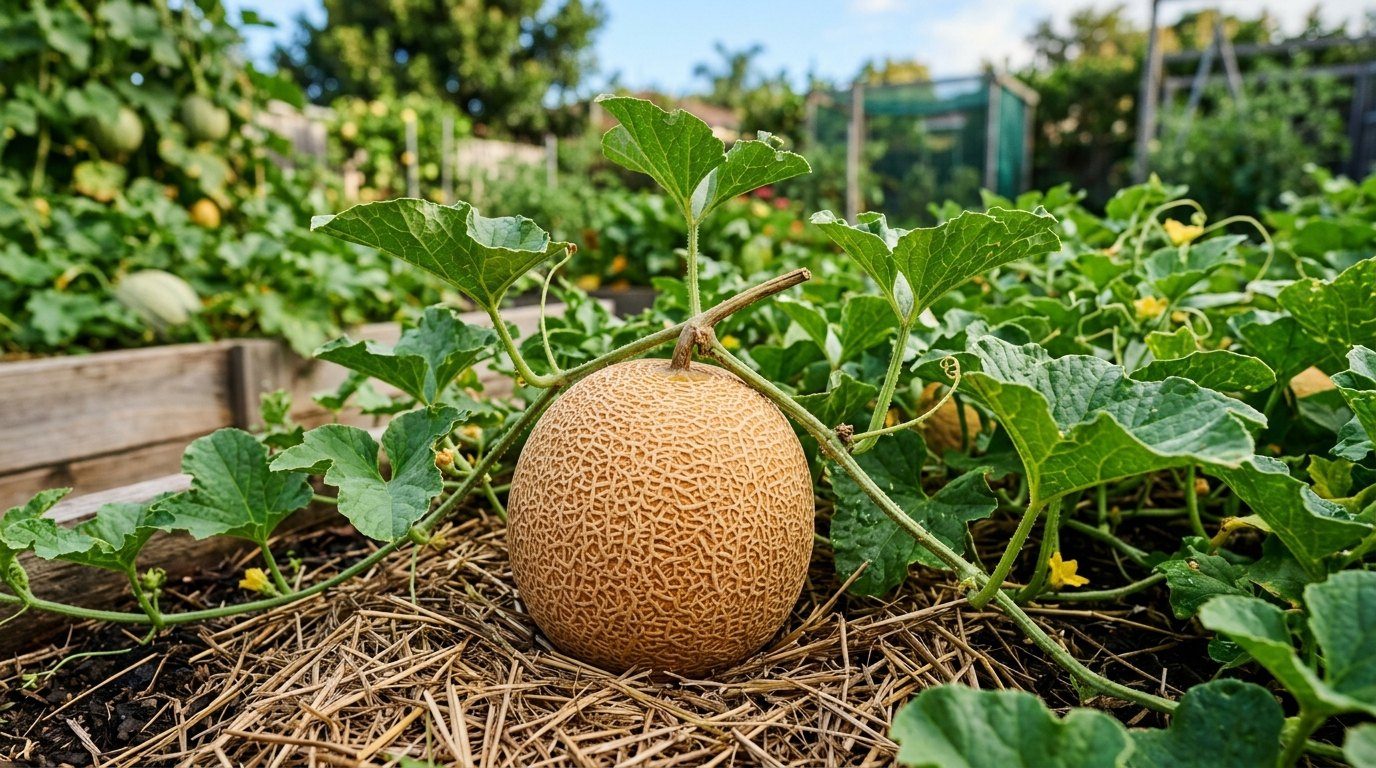
Cantaloupe wants a long warm season, and zone 7 can supply it in most regions if you wait for the soil. The Mid-Atlantic, Mid-South and Southern Plains sow or set out transplants from May to July, and the Northeast and Mountain West in May and June.
Zone 7 cantaloupe planting months by region
| Planting region | Share of zone 7 | Sow or set out cantaloupe | Last frost, zone 7 ZIP codes | First frost, zone 7 ZIP codes |
|---|---|---|---|---|
| Northeast & New England Cold winters, warm humid summers | 27 percent | May and June | April 13 | October 31 |
| Mid-Atlantic Humid subtropical, four seasons | 22 percent | May to July | April 12 | October 29 |
| Mid-South Warm temperate | 22 percent | May to July | April 10 | October 28 |
| Southern Plains Hot summers, two planting seasons | 13 percent | May to July | April 6 | October 31 |
| Mountain West High-elevation, dry, big day-night swings | 5 percent | May and June | April 26 | October 19 |
Other regions (11 percent of the zone): Midwest & Great Lakes, Pacific Northwest, Texas, Gulf South, Desert Southwest, Northern California & Central Valley.
How we built this table: we placed all 8,732 zone 7 ZIP codes (2023 USDA map) in our planting regions; the months are each region's own calendar and the frost dates are NOAA 1991 to 2020 medians for the zone's ZIP codes there.
Heat-loving melons need a warm bed and a strong start
Our germination range is 72°F to 90°F, and cold soil simply stalls the seedlings, so start seed in peat pots about three weeks ahead and put the transplants out after the typical last frost, April 13 in the Northeast and April 10 in the Mid-South. Black plastic on the bed for a week or two beforehand warms the soil. Melons dislike root disturbance, so handle the pots gently, and give each plant about 40 inches (100 cm), our spacing.
A cantaloupe needs about 85 days, our figure, which fits easily where the season is long and tightly where it is not. The Northeast has about 199 frost-free days and the Mountain West about 175, so favor an early type there, such as Minnesota Midget, a small melon ready in about 70 days. Athena is a favorite in the humid East, and Hearts of Gold is the old Midwestern heirloom. Cucumber beetles spread bacterial wilt, so keep row cover on until flowers open.
Ripeness is easy to read. A ripe melon slips from the stem with a gentle push, smells sweet at the blossom end, and shows coarse netting over a rind that has turned from green toward tan. Water deeply each week until the fruit is the size of a softball, then ease off, because a dry final stretch concentrates the sugar. The Southern Plains have hot, dry summers that suit melons, so drip lines pay for themselves there, and the first frost near October 29 in the Mid-Atlantic comes after the last melon is gone.
Zone 7 cantaloupe questions
How do I know when a cantaloupe is ripe?
Look for slip: the fruit separates from the vine with light pressure and leaves a clean scar. A sweet smell and a rind that turns from green to tan back that up, and a melon that needs a tug is not ready.
Why do my cantaloupes taste bland?
Too much water near ripening, picking too early and cloudy weather all dilute the sugar. Ease off the water as fruit nears full size and wait for slip before you cut.
Growing advice follows published guidance from University of Georgia Extension and Purdue Extension, cantaloupe guidance.
Keep planning
- How to grow cantaloupe: the full guide
- Cantaloupe planting calendar for every region
- Zone 7a planting calendar and zone 7b planting calendar
- All USDA zones and the Frost Lookup by ZIP code
- When to plant globe artichokes in zone 7
- When to plant asparagus in zone 7
- When to plant beans in zone 7
- When to plant beets in zone 7
- When to plant broccoli in zone 7
- When to plant Brussels sprouts in zone 7
- When to plant cabbage in zone 7