
When to Plant Carrots in Zone 9
USDA zone 9 covers zones 9a and 9b, with winter lows of 20 to 30°F (-7 to -1°C).
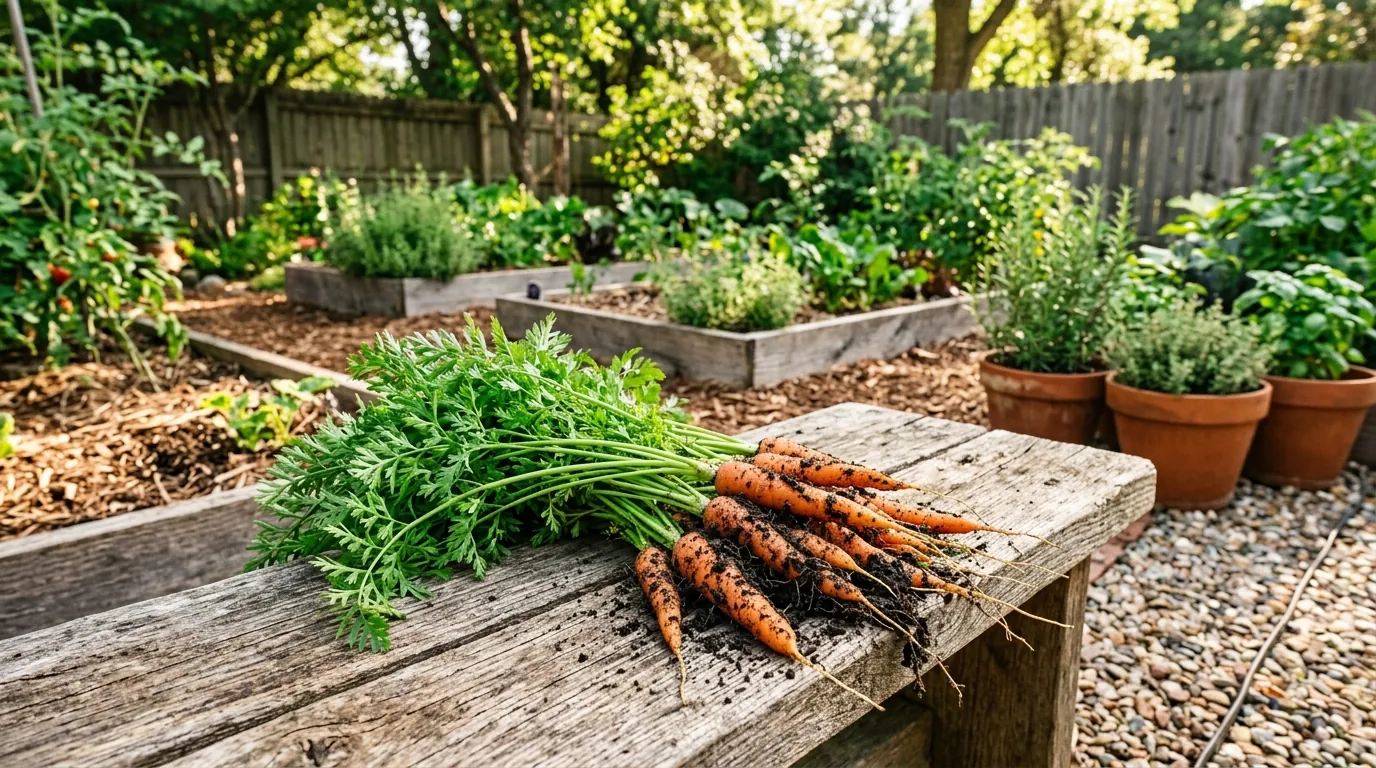
Zone 9 turns the carrot calendar upside down. The Gulf South, North Florida and the Central Valley sow from August to March, Central Florida from September to March, Texas in February and in September and October, and Southern California in January and February and from September to November. The Arizona low desert sows in January and again from September to November, and the Pacific Northwest part of the zone from February to April.
Zone 9 carrots planting months by region
| Planting region | Share of zone 9 | Sow carrots | Last frost, zone 9 ZIP codes | First frost, zone 9 ZIP codes |
|---|---|---|---|---|
| Texas Hot summers, spring and fall seasons | 23 percent | February, then September and October | February 20 | December 3 |
| Gulf South Humid subtropical | 21 percent | August to March | March 2 | November 26 |
| Northern California & Central Valley Mediterranean, mild winters and hot dry summers | 17 percent | August to March | February 22 | December 1 |
| Desert Southwest Low desert, hot and dry | 9 percent | September to November, then January | February 1 | December 10 |
| North Florida Humid subtropical, mild winter | 9 percent | August to March | March 1 | December 1 |
| Southern California Mediterranean | 9 percent | September to November, then January and February | February 2 | December 8 |
| Pacific Northwest Maritime, mild wet winters and cool summers | 6 percent | February to April, then July to September | March 13 | November 17 |
| Central Florida Subtropical | 5 percent | September to March | Rare | Rare |
Other regions (2 percent of the zone): Mid-South.
How we built this table: we placed all 4,284 zone 9 ZIP codes (2023 USDA map) in our planting regions; the months are each region's own calendar and the frost dates are NOAA 1991 to 2020 medians for the zone's ZIP codes there.
Carrots like a mild winter more than a hot summer
Carrots stall when the soil is hot, with germination poor above about 85°F, so zone 9 gardeners grow them in the cool half of the year. The Gulf and Florida windows are the longest, and a sowing in the middle of the window is ready in about 85 days, our figure, well ahead of a first frost around November 26 in the Gulf South. Many Gulf gardeners sow a short row every few weeks from early fall, which spreads the harvest through winter instead of producing forty carrots on one afternoon.
Sandy soil is the zone 9 advantage, because roots push straight down through it. Imperator, the long supermarket type, grows best in deep sand or loam, while short Nantes and Chantenay types suit the clay of Texas and the Central Valley. Keep the seedbed damp for the two to three weeks the seed needs to sprout, covering the row with a board or burlap and checking it daily. Root-knot nematodes are common in southern sandy soil and leave galls and forked roots, so solarize an infested bed over summer and rotate where you can.
In the Arizona desert the fall sowing does best, because the soil has to cool before carrot seed will sprout. The typical last frost there is February 1, and many gardeners water the bed daily and shade it with cloth until the first leaves show. Central Valley gardeners have a typical last frost near February 22 and can sow through the winter months. The Pacific Northwest part of the zone is cooler, with sowings from February to April and again from July to September.
Zone 9 carrots questions
Can I grow carrots in a Florida summer?
Not reliably. Our Central Florida calendar runs from September to March, because summer soil is too hot for good germination and roots stay small and bitter. Sow in the cool months and keep summer beds for sweet potatoes.
How do I get straight carrots in zone 9 clay?
Loosen the bed to 12 inches deep, remove stones and sow into a raised row. Fresh manure forks the roots, so use finished compost instead. Short types such as Danvers 126 or Chantenay handle heavy ground better than long Imperators.
Growing advice follows published guidance from University of Florida IFAS Extension, Texas A&M AgriLife Extension and University of California Cooperative Extension, carrot guidance.
Keep planning
- How to grow carrots: the full guide
- Carrots planting calendar for every region
- Zone 9a planting calendar and zone 9b planting calendar
- All USDA zones and the Frost Lookup by ZIP code
- When to plant carrots in zone 8
- When to plant beans in zone 9
- When to plant broccoli in zone 9
- When to plant cucumbers in zone 9
- When to plant onions in zone 9
- When to plant strawberries in zone 9
- When to plant sweet potatoes in zone 9
- When to plant tomatoes in zone 9