
When to Plant Watermelon in Zone 9
USDA zone 9 covers zones 9a and 9b, with winter lows of 20 to 30°F (-7 to -1°C).
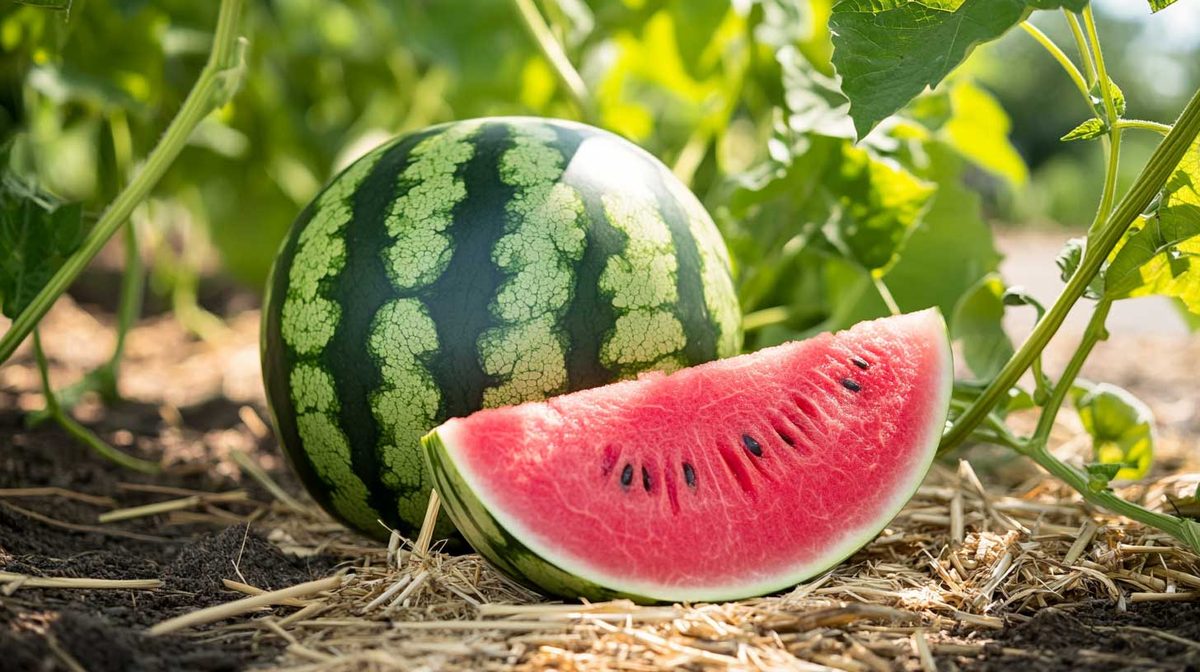
Watermelon is a spring planting almost everywhere in zone 9. The Gulf South, North Florida and Texas sow in March and April, Central Florida from January to March, and the Arizona desert in February and March. The Central Valley runs from March to July, Southern California from April to July and the Pacific Northwest in May and June.
Zone 9 watermelon planting months by region
| Planting region | Share of zone 9 | Sow or set out watermelon | Last frost, zone 9 ZIP codes | First frost, zone 9 ZIP codes |
|---|---|---|---|---|
| Texas Hot summers, spring and fall seasons | 23 percent | March and April | February 20 | December 3 |
| Gulf South Humid subtropical | 21 percent | March and April | March 2 | November 26 |
| Northern California & Central Valley Mediterranean, mild winters and hot dry summers | 17 percent | March to July | February 22 | December 1 |
| Desert Southwest Low desert, hot and dry | 9 percent | February and March | February 1 | December 10 |
| North Florida Humid subtropical, mild winter | 9 percent | March and April | March 1 | December 1 |
| Southern California Mediterranean | 9 percent | April to July | February 2 | December 8 |
| Pacific Northwest Maritime, mild wet winters and cool summers | 6 percent | May and June | March 13 | November 17 |
| Central Florida Subtropical | 5 percent | January to March | Rare | Rare |
Other regions (2 percent of the zone): Mid-South.
How we built this table: we placed all 4,284 zone 9 ZIP codes (2023 USDA map) in our planting regions; the months are each region's own calendar and the frost dates are NOAA 1991 to 2020 medians for the zone's ZIP codes there.
A long, hot summer is the best friend a watermelon has
The seed needs soil above about 70°F, and the calendar follows the soil. In the Arizona low desert, with a typical last frost of February 1, the earliest sowings come a month or more ahead of the rest of the country, and the vines grow quickly into heat that suits them. The crop needs about 90 days, our figure, so melons from an early planting are ready by the first days of summer. Give each plant 5 feet (150 cm), our spacing, and water deeply, then cut back as the fruits swell so the sugars concentrate.
Texas and the Gulf grow some of the country's best-known melons, and the Gulf South has about 269 frost-free days, far more than the crop needs. The threat there is humidity, which brings anthracnose, gummy stem blight and fusarium wilt. Choose resistant types such as Crimson Sweet and Charleston Gray, rotate melons away from the same bed for several years and water at the base. Jubilee, a long oval melon, also does well in southern gardens.
Central Valley gardeners have about 285 frost-free days and a typical last frost near February 22, so they can sow right through spring, and later sowings catch up quickly. For a smaller yard, grow Sugar Baby or Yellow Doll, which ripen in about 75 to 85 days and need less room. The Pacific Northwest edge of zone 9 is cool, so use black plastic and a short-season variety. To judge ripeness, look for a creamy ground spot, a dried tendril beside the stem and a dull, hollow sound.
Zone 9 watermelon questions
How can I tell when a watermelon is ripe in zone 9?
Check three signs together: the spot where the melon rests turns creamy yellow, the curly tendril nearest the stem dries brown, and the rind loses its shine. Thumping alone misleads. Cut the stem, because the fruit will not sweeten off the vine.
Can I plant watermelon in Central Florida in the middle of winter?
Our Central Florida calendar runs from January to March, so early sowings are normal there. Protect seedlings with row cover or a low tunnel on cold nights, and wait for soil near 70°F before sowing if the winter is cold.
Growing advice follows published guidance from University of Florida IFAS Extension and University of Arizona Cooperative Extension, watermelon guidance.
Keep planning
- How to grow watermelon: the full guide
- Watermelon planting calendar for every region
- Zone 9a planting calendar and zone 9b planting calendar
- All USDA zones and the Frost Lookup by ZIP code
- When to plant watermelon in zone 8
- When to plant beans in zone 9
- When to plant broccoli in zone 9
- When to plant carrots in zone 9
- When to plant cucumbers in zone 9
- When to plant onions in zone 9
- When to plant strawberries in zone 9
- When to plant sweet potatoes in zone 9